How to Clear US Customs for a JDM Vehicle Import
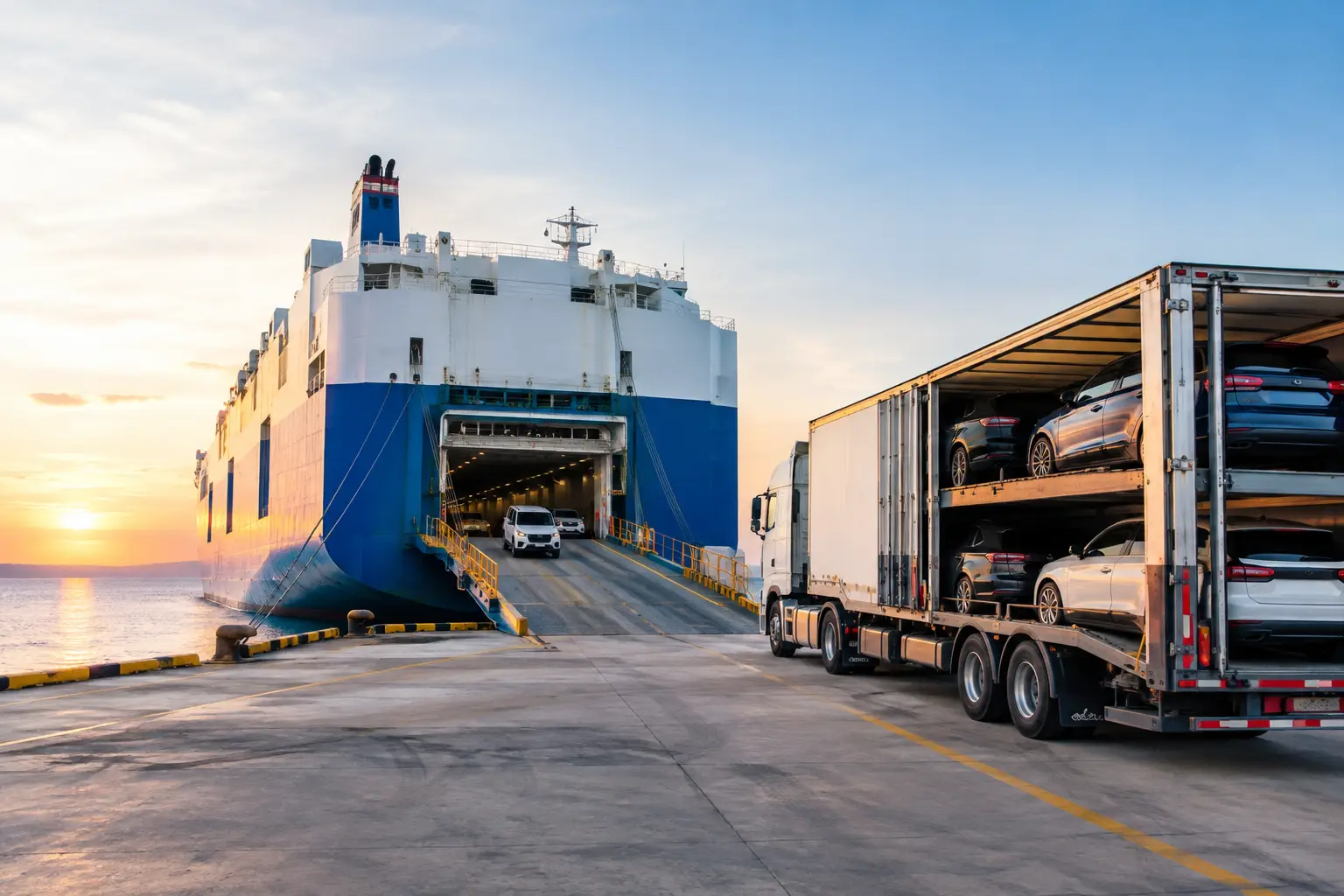
A JDM vehicle can arrive at a U.S. port in excellent condition, with a clean auction history and proper Japanese export paperwork, then sit behind a terminal gate because one customs document was filed incorrectly. That is why understanding how to clear US customs for a JDM vehicle import should happen before you bid, not after the vessel has sailed.
For most collectors, the cleanest path is a vehicle that qualifies for the 25-year federal exemption. Even then, Customs and Border Protection, the Environmental Protection Agency, the Department of Transportation, the shipping line, and the port terminal each have a role. Customs release is only one part of getting the vehicle legally into your driveway.
Start With Federal Import Eligibility
Before arranging shipping from Japan, confirm that the vehicle is eligible for permanent import into the United States. The most common route for a JDM car is the National Highway Traffic Safety Administration's 25-year exemption from Federal Motor Vehicle Safety Standards.
The vehicle must be at least 25 years old based on its actual manufacture date, not simply its model year. A vehicle sold as a 2001 model may not become eligible until the specific month it was built in 2001. This is where buyers get caught out. Check the chassis plate, Japanese export certificate, and manufacturer production information before committing funds.
A vehicle at least 21 years old may also qualify for an EPA age exemption if it remains in its original configuration. The two rules are separate. A car can meet one age threshold but not the other, so do not assume a 21-year-old vehicle is automatically ready for U.S. entry. For a standard permanent JDM import, the safest course is generally to wait until the vehicle clears both federal age requirements.
Modified cars require extra caution. Engine swaps, emissions equipment changes, and non-original powertrain configurations can complicate an EPA declaration. A right-hand-drive layout is not the issue by itself. Federal eligibility, documentation, and the vehicle's condition at entry are what matter.
Documents Needed to Clear US Customs for a JDM Vehicle Import
Your customs broker will prepare and submit much of the entry, but the importer remains responsible for accurate information. Gather the file early and make sure the vehicle identification or chassis number matches across every document.
For a typical Japan-to-U.S. import, the core documents include the commercial invoice or purchase invoice, ocean bill of lading, Japanese export certificate or deregistration paperwork, English translation where required, and proof of payment if requested. You will also need the DOT HS-7 Declaration and EPA Form 3520-1. These forms state the basis on which the vehicle is being imported.
Customs will also require an entry filing, commonly supported by CBP Form 7501, and a customs bond for formal entry. Your broker normally arranges the bond. Do not confuse the bond with insurance or a tax payment. It is financial security that ensures duties, fees, and compliance obligations are met.
If the vehicle is shipped by ocean freight, an Importer Security Filing, often called ISF or 10+2, must be transmitted before the cargo is loaded aboard the vessel overseas. This deadline happens in Japan, not when the car reaches the United States. Late or inaccurate ISF filings can lead to penalties, examinations, and avoidable delays.
A capable exporter should provide clear scans of the Japanese export documents, invoice, bill of lading details, and vehicle identification information before departure. Direct Imported Japan treats documentation as part of the purchase process, not paperwork to chase after the vessel is already on the water.
Understand Duties, Fees, and the Real Landed Cost
Import duty is typically based on the vehicle type and declared customs value. Passenger vehicles are commonly assessed at 2.5 percent, while trucks can face a substantially higher duty rate, commonly 25 percent. Motorcycles are often assessed at a different rate. Classification matters, particularly for kei trucks, vans, and vehicles that could be considered cargo vehicles.
Beyond duty, plan for the Merchandise Processing Fee and Harbor Maintenance Fee, along with customs broker fees, port handling charges, documentation fees, inland transport, and any storage costs. Fee rates and tariff treatment can change, and certain vehicles or countries of origin may be subject to additional measures. Ask your broker to confirm the current classification, duty rate, and applicable fees before the vehicle ships.
The customs value should reflect what you actually paid for the vehicle, supported by the invoice and payment record. Do not understate the purchase price to reduce duty. A low declared value that does not match auction records, invoices, or wire payments can trigger scrutiny and create far more expense than the duty saved.
Choose the Port and Broker Before Booking Shipping
The lowest ocean freight quote is not always the lowest landed cost. A port with limited access to transport, higher terminal fees, or slower appointment availability can turn a small freight saving into a costly delivery problem.
Select a U.S. customs broker experienced with vehicle entries, ideally before the exporter books the vessel. Provide the broker with the year, make, model, chassis number, engine information, purchase value, port of arrival, and expected shipping date. They can flag issues while there is still time to correct paperwork.
Give the broker a signed power of attorney if required and ensure the importer name matches the party who will take legal responsibility for the entry. If you are buying through a dealership, LLC, or trust, confirm whose name should appear on the entry documents and eventual state title. Cleaning up a name mismatch after release can be frustrating and expensive.
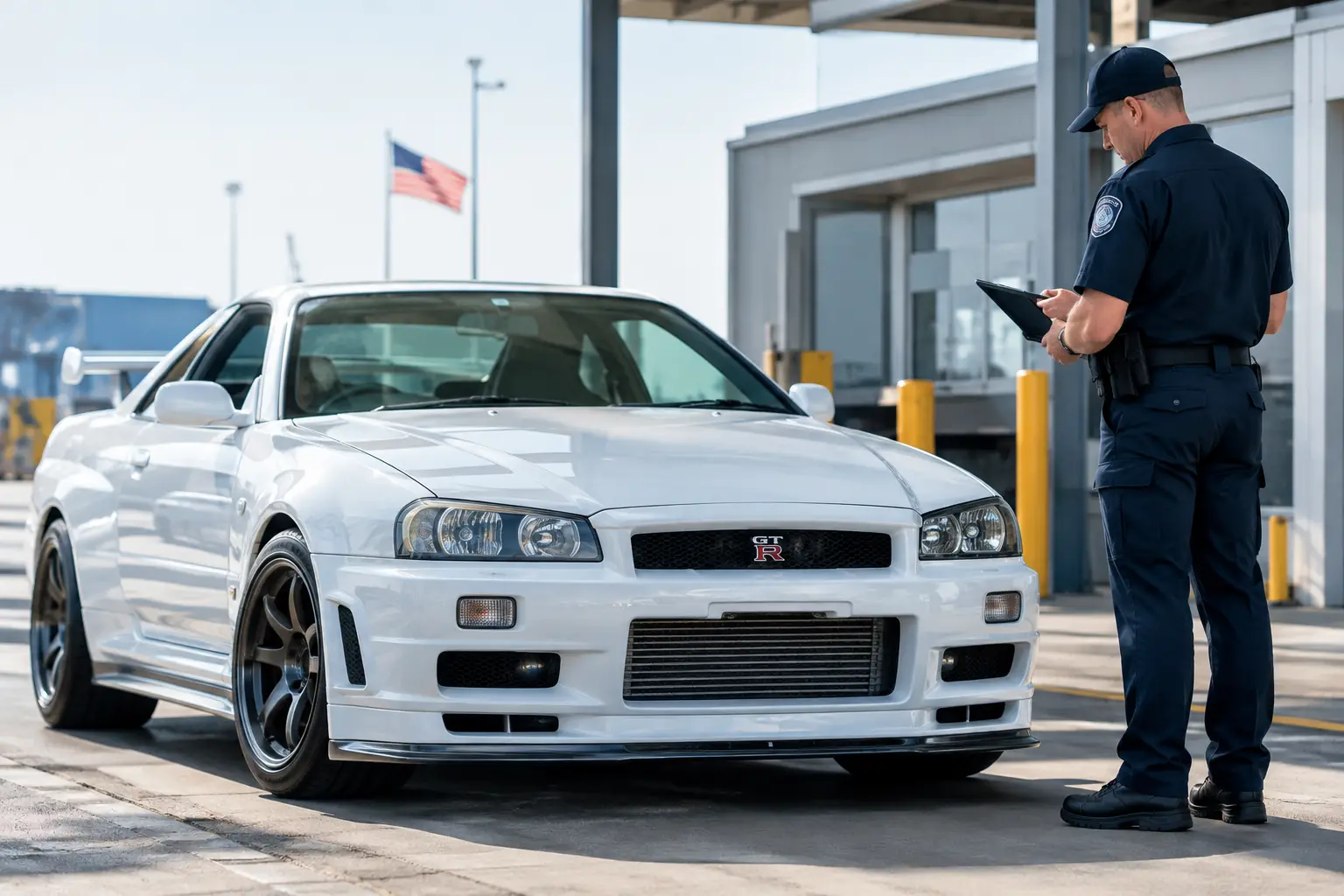
Once the ship arrives, the carrier issues an arrival notice and the terminal makes the vehicle available after discharge. Customs may release the vehicle electronically, request more documents, or select it for an exam. An inspection does not mean something is wrong. It does mean the schedule becomes less predictable, so leave room in your transport planning.
Release From Customs Is Not the Same as Registration
When CBP releases the vehicle, it may leave the port once terminal charges and carrier requirements are satisfied. That is a major milestone, but it is not the final legal step.
You will need the customs entry documentation, stamped or accepted DOT and EPA declarations, Japanese ownership/export paperwork, bill of sale, and other state-specific paperwork to title and register the vehicle. Your state DMV may have its own inspection, VIN verification, tax, safety, or emissions requirements. Some states have restrictions that are stricter than the federal import rules, especially in certain counties with emissions testing.
Confirm your state requirements before purchase, not while the car is at the port. This matters for collectors in states with tougher title processes and for dealers planning to resell the vehicle. A federally admissible vehicle can still require careful state-level paperwork before it receives a title and plates.
Avoid the Delays That Cost Importers the Most
Most port delays are preventable. They begin with a vehicle purchased too early for the 25-year threshold, an incorrect manufacture date, missing translations, a late ISF, or a broker brought in after the vessel departs. Storage and demurrage charges can escalate quickly once free time expires.
Also inspect the Japanese documentation before shipment. Confirm the chassis number character by character. Many older Japanese vehicles do not use a 17-character U.S.-style VIN, and a single transposed character can hold up customs entry, port release, insurance, or later title work.
Be candid with your broker about modifications, damage history, and the vehicle's intended use. A former race car, an incomplete project, or a heavily modified performance vehicle may require a different conversation than a stock, road-ready Skyline, Supra, or kei truck. There is no benefit in discovering a compliance issue after the vehicle reaches the dock.
The best import experience is usually uneventful: eligibility confirmed before purchase, documents reviewed before sailing, broker appointed before arrival, and transport booked with enough flexibility for a customs exam. Treat customs clearance as a planned part of the purchase, and your JDM vehicle is far more likely to leave the port on schedule and start its next chapter where it belongs - on the road.