How to Import a Car From Japan: USA 25-Year Rule
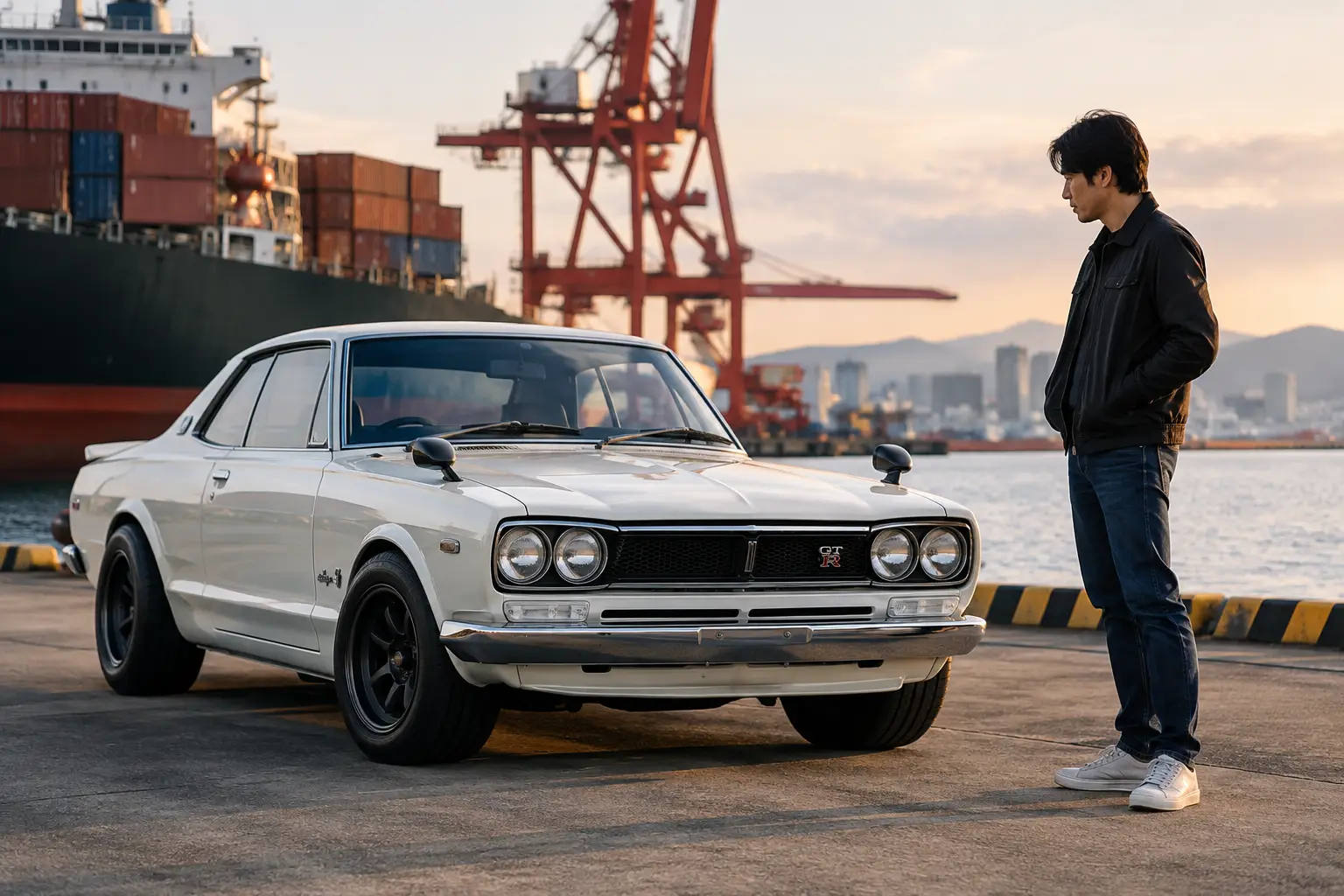
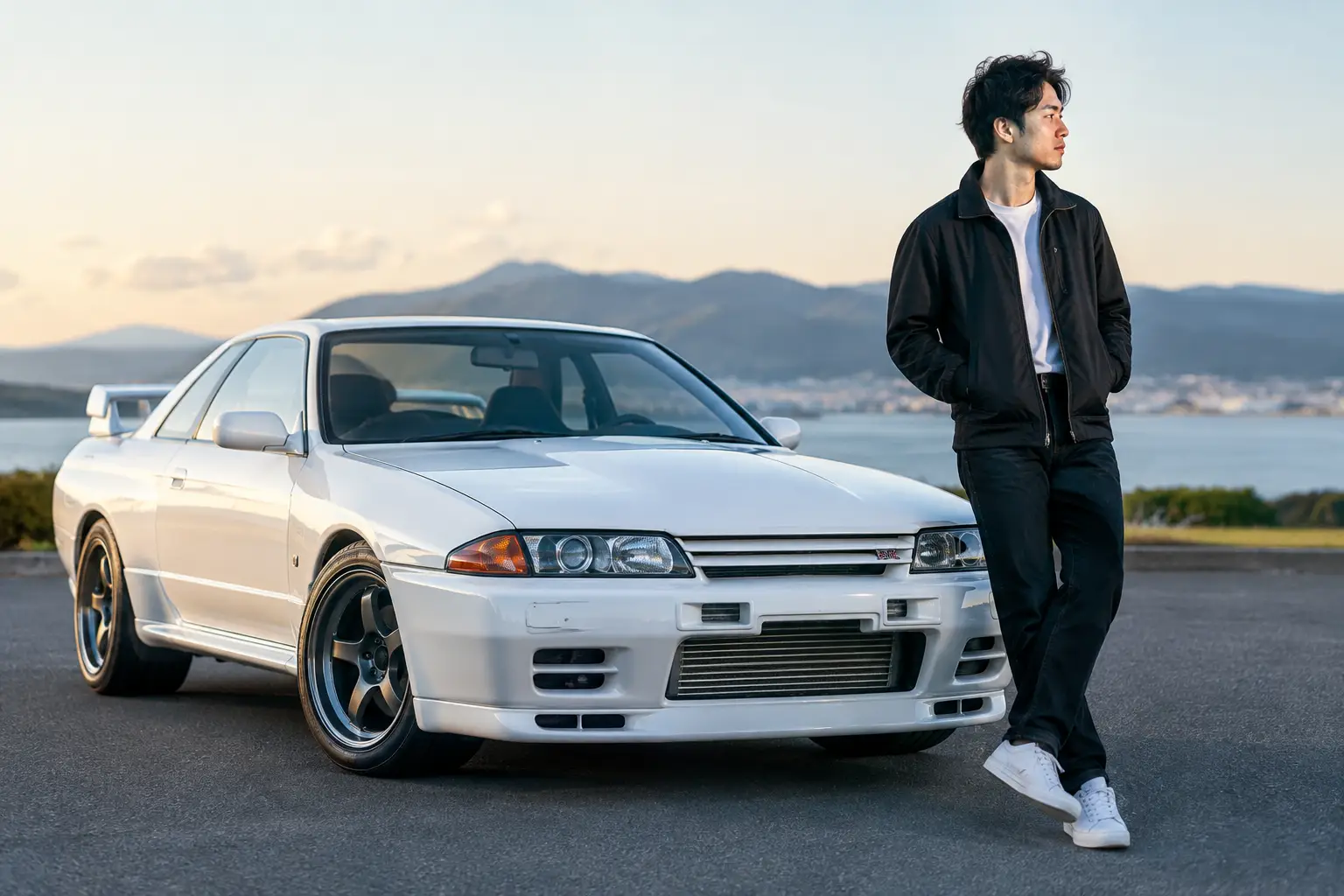
A 1999 Nissan Skyline GT-R may look like a straightforward purchase in a Japanese auction catalog, but its build month can determine whether it clears U.S. customs or sits at the port. That is the central issue when learning how to import car from Japan to USA 25 year rule requirements. The vehicle must be old enough on the day it enters the United States, not simply carry an old-enough model year on its title.
For collectors, dealers, and first-time JDM buyers, the 25-year rule creates a legal path to vehicles that were never originally certified for the U.S. market. It does not remove the need for correct paperwork, honest condition reporting, shipping coordination, customs entry, and state registration. A properly planned import is very manageable. A rushed purchase based on an auction photo or an incorrect production date can become expensive quickly.
What the U.S. 25-Year Rule Actually Means
The commonly used term "25-year rule" refers to the federal exemption from Federal Motor Vehicle Safety Standards, or FMVSS, administered by the National Highway Traffic Safety Administration. A vehicle that is at least 25 years old may generally be imported without being modified to meet U.S. safety standards.
The age is calculated from the vehicle's actual date of manufacture. It is not calculated from January 1 of its model year. For example, a vehicle built in October 2001 cannot use the exemption until October 2026. A 2001 model built in January may qualify months earlier than one built later that same year.
This detail matters with Japanese vehicles because auction sheets, export certificates, chassis records, and model-year references do not always present the information in the same way. Before bidding, verify the full chassis number and production month with reliable manufacturer or registration data. Do not rely only on a seller calling a car a "2001" or "2002."
The 25-year exemption is separate from Environmental Protection Agency requirements. In general, a vehicle at least 21 years old is exempt from EPA emissions requirements if it remains in its original, unmodified configuration. A heavily altered engine, emissions system, or drivetrain can create questions even when the chassis is old enough for the safety exemption. For a standard collector import, keeping the vehicle close to its original specification is the sensible route.
How to Import a Car From Japan to the USA Under the 25-Year Rule
The process begins before you buy. A car can be eligible by age and still be the wrong purchase because of corrosion, accident history, poor repairs, a questionable odometer, or missing documentation. Japanese auction grades are useful, but they are not a warranty. Grade 4, for example, does not mean flawless, and an R or RA grade indicates prior repair history that deserves close inspection.
Confirm eligibility before placing a bid
Ask for confirmation of the production date, chassis number, auction sheet, and export eligibility. This is also the time to check whether the vehicle has modifications that may complicate EPA treatment or registration in your home state. Japanese-market lighting, glass markings, tires, and emissions equipment can be acceptable federally under the age exemption, but individual state rules may still affect what you must do after arrival.
California buyers need to be particularly careful. Federal import eligibility does not automatically mean a vehicle can be registered in California. The state has its own emissions and registration standards, and qualifying a Japanese-market car can be difficult and costly. Buyers in other states should also speak with their DMV before purchase, especially if the vehicle will be titled for road use rather than retained as a collection vehicle.
Inspect condition where the car is located
The distance between a U.S. buyer and a Japanese auction lane is where many bad decisions happen. Photos can hide underbody rust, paintwork quality, smoke odor, dash warning lights, oil leaks, tire age, and corrosion around suspension mounting points. The auction sheet may mention defects in Japanese that a quick machine translation misses.
A hands-on inspection provides the information that matters: cold-start behavior, transmission operation, engine noise, panel alignment, chassis condition, repair quality, and whether the car matches its listing. At Direct Imported Japan, the focus is not simply winning a bid. It is providing clear inspection feedback and translated condition information so buyers understand what they are committing to before the hammer falls.
For collectible performance cars, verify the details that affect both value and usability. Check for original engine and transmission identification where applicable, signs of tuning, aftermarket wiring, evidence of track use, and rust around common problem areas. A cheaper car with hidden corrosion or poor accident repair is rarely the better import.
Buy, prepare export documents, and book shipping
Once purchased, the vehicle must be deregistered for export in Japan and supported by the correct export paperwork. The exact document package can vary, but buyers commonly need the Japanese export certificate or deregistration paperwork, bill of sale or commercial invoice, bill of lading, and translated records when needed for titling.
Most vehicles move by roll-on/roll-off shipping or in a container. Roll-on/roll-off is often cost-effective for a running vehicle and is widely used for standard imports. Container shipping may make more sense for high-value cars, non-running vehicles, spare parts, or buyers who want additional control over loading. Neither option is automatically better. Cost, port availability, vehicle condition, transit timing, and insurance should guide the decision.
Ocean freight also requires an Importer Security Filing, commonly called ISF or 10+2, before the vessel departs for the United States. This is not paperwork to leave until the car reaches the port. Late or inaccurate filing can lead to penalties, so appoint a competent customs broker and provide documents early.
Customs Entry, Duties, and Port Release
When the vehicle arrives, the importer or customs broker files entry documents with U.S. Customs and Border Protection. For a 25-year-old vehicle, the DOT declaration is generally made on HS-7 form under the applicable exemption. The EPA declaration is made on form 3520-1 using the appropriate age-based exemption. Your broker should review the vehicle details before filing rather than assuming every older Japanese car fits the same category.
Passenger vehicles are commonly subject to a 2.5% federal duty based on the vehicle's declared customs value. Pickup trucks have a much higher duty rate, often 25%, which can materially change the economics of importing a Japanese kei truck or older pickup. Motorcycles are typically assessed differently as well. Freight, insurance, port charges, broker fees, and possible storage charges are separate from the purchase price, so build a full landed-cost estimate before bidding.
Never undervalue a vehicle on an invoice to reduce duty. Customs valuation problems can delay release, create penalties, and complicate future title or resale records. Clear and honest pricing protects the buyer long after the car leaves the port.
Once customs releases the vehicle, it can be collected from the port or sent by domestic carrier. Inspect it at handoff. Note any shipping damage immediately, take photographs, and understand the carrier's claims process before signing a clean delivery receipt.
Registration Is a Separate Final Step
Federal clearance allows the vehicle to enter the country. It does not issue a state title, plate, or registration. Your DMV will normally want the foreign ownership documents, bill of sale, customs entry paperwork, proof of duty payment, and identification of the vehicle through its chassis number. Some states require a VIN inspection, while others have specific forms for gray-market or foreign-market vehicles.
Insurance can also take more preparation than it does for a common U.S.-market car. Give the insurer the correct chassis number, agreed value if applicable, and accurate vehicle description. Do not assume a standard database will recognize a right-hand-drive JDM model.
The best time to solve registration questions is before you bid, not after a rare car is already sailing across the Pacific. Verify the build date, inspect the actual vehicle, use accurate documents, and plan the landed cost with room for port and inland-transport variables. That preparation lets the 25-year rule do what it was intended to do: give collectors lawful access to the cars they have waited years to own.