Odometer Verification Before You Import a Car
A clean auction grade and glossy photos can make a Japanese import look like an easy decision. Then the mileage turns out to be inaccurate, undocumented, or inconsistent with the vehicle’s condition. Odometer verification is one of the most practical safeguards available to an overseas buyer because a mileage issue affects value, registration, resale, maintenance planning, and confidence in the entire purchase.
For a collector buying a low-mileage Skyline GT-R or a dealer sourcing inventory, the question is not simply whether the odometer displays a believable number. The question is whether there is credible evidence that the reading has been checked against the vehicle’s known history and whether that evidence will travel with the car through export, import, and resale.
What Odometer Verification Actually Confirms
Odometer verification is a process used to assess whether a vehicle’s recorded mileage is consistent with available records and the physical vehicle. For Japanese exports, this may involve reviewing auction history, prior inspection data, Japanese registration or maintenance records when available, and the vehicle identification information. A recognized third-party certification process, such as JEVIC certification where applicable, can provide a documented assessment for the shipment.
That is different from treating the dashboard display as proof. A digital odometer can be altered, and an analog odometer can be replaced or rolled back. Even when a seller is acting in good faith, they may only be repeating the mileage shown on an auction sheet or dashboard without having visibility into the car’s earlier history.
A verified reading does not make a 20- or 30-year-old vehicle mechanically perfect. It also does not erase normal aging from seals, bushings, paint, wiring, or rubber components. What it does provide is a stronger foundation for deciding whether the asking price and expected condition make sense.
Why Mileage Matters More With Remote Japanese Imports
Buying from Japan creates a distance problem. You are often making a decision before the vehicle is loaded, and you may never see it in person until it arrives at your port or workshop. Auction grades, translated condition reports, and photos are useful, but none should be used alone to establish mileage credibility.
Mileage affects more than the value printed on a sales listing. A supposedly 45,000-mile performance car may command a meaningful premium over a comparable 145,000-mile example. If that difference cannot be supported, the buyer may overpay at auction and face difficult questions later from an insurer, appraiser, customer, or future buyer.
For dealerships, the commercial risk is even clearer. A vehicle with a questionable odometer reading can take longer to retail, require a disclosure that reduces buyer confidence, or create a dispute after sale. Documented mileage verification gives the dealer a more defensible file and a clearer basis for pricing the vehicle accurately.
There can also be country-specific requirements. Some destinations require pre-shipment inspections, mileage documentation, or certificates from approved providers. Requirements vary by country and can change, so verification should be planned alongside shipping, customs paperwork, and pre-shipment inspection rather than treated as an afterthought.
Auction Sheets Are Valuable, but They Are Not the Whole Story
Japanese auction sheets are an excellent source of information when read correctly. They can record the displayed odometer reading, note an odometer-related concern, identify the vehicle identification number, show an auction grade, and document visible condition issues. A competent translation also helps buyers understand handwritten remarks that do not appear in basic automated translations.
However, an auction sheet is a point-in-time assessment. It is not a full lifetime service file, and auction grading is not a mechanical warranty. Some auction houses mark a mileage concern with symbols or comments when they identify one, while other vehicles may have limited historical documentation available for review.
This is where experience matters. A low displayed mileage should be tested against the condition of the driver’s seat, pedals, steering wheel, shifter, switches, engine bay, underbody, and service stickers. None of those items proves mileage independently. Together, they can reveal whether the vehicle appears consistent with its claimed use.
A well-preserved 120,000-mile car can look better than a neglected 60,000-mile car. Conversely, an unusually worn interior on a claimed low-mileage example deserves further questions. Honest sourcing means raising those questions before bidding, not explaining them after the vehicle has been exported.
How a Proper Verification Process Works
The best process starts before you commit to an auction bid. First, confirm the chassis number or VIN-equivalent information and compare it across the auction sheet, export documents, and inspection records. A mismatch is not something to ignore or solve later.
Next, review the auction sheet carefully, including any mileage notation, condition remarks, repair history, and seller declarations. Previous auction records can be especially useful when available because they may show recorded mileage from earlier sales. If history shows a higher reading before the current auction date, that is a major issue that must be resolved before proceeding.
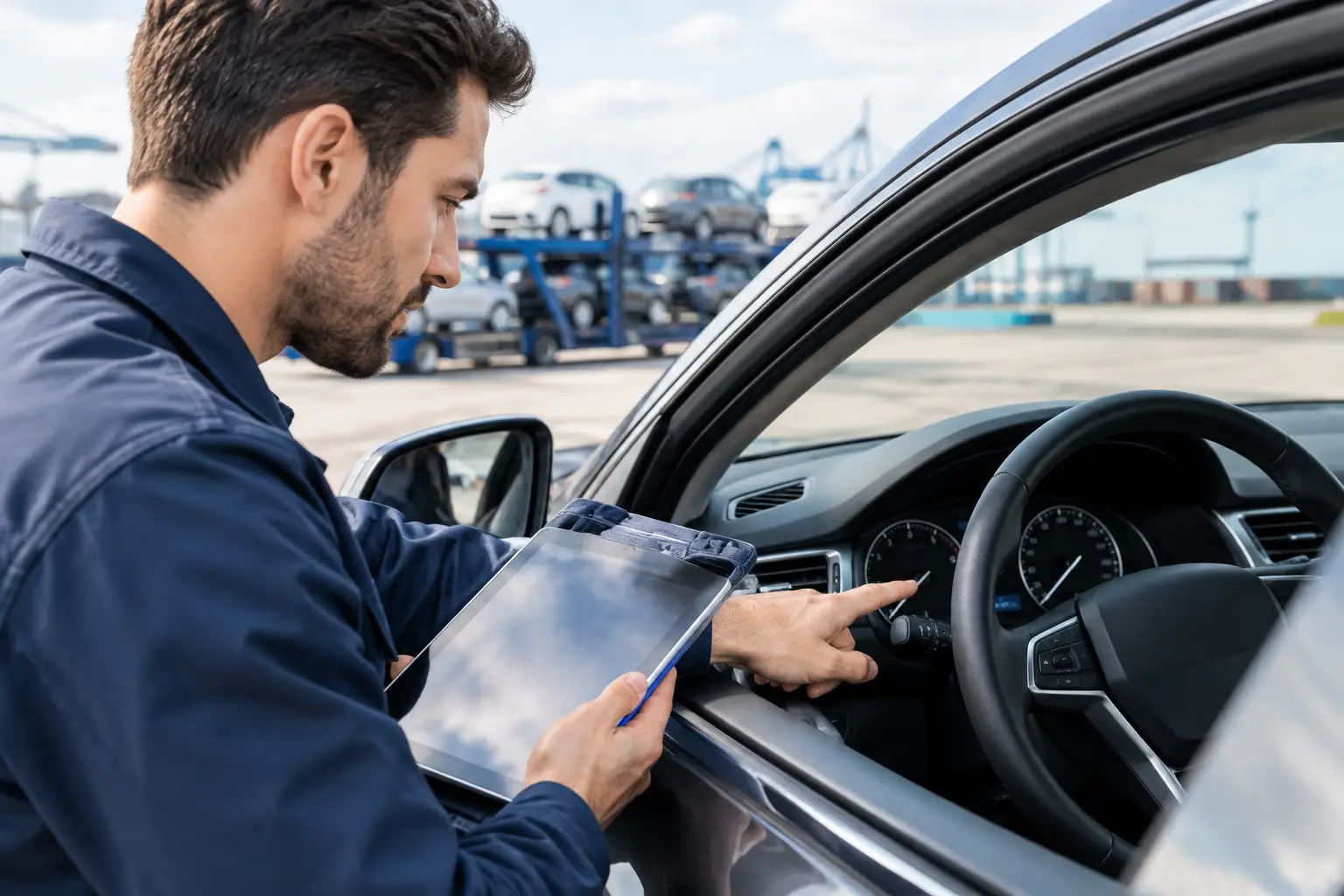
Then inspect the vehicle in person whenever the auction format and timing allow. High-resolution photos help remote buyers, but they should support physical assessment rather than replace it. An experienced inspector can evaluate wear patterns, corrosion, paintwork, leaks, modifications, tire condition, warning lights, and signs that the vehicle’s overall condition does not align with the displayed reading.
Finally, arrange recognized odometer certification if it is required for the destination or appropriate for the transaction. JEVIC certification is commonly used in the Japanese export market and can be particularly valuable where buyers need formal mileage documentation. Certification availability and requirements depend on the vehicle, shipment timing, and destination, so it should be discussed before the export process is underway.
Red Flags That Deserve a Pause
Not every concern means the vehicle should be rejected. Older specialty cars frequently have incomplete records, replacement instrument clusters, engine swaps, or restoration work. The key is to identify the issue clearly, disclose it accurately, and adjust the purchase decision and price accordingly.
Be cautious when you see any of the following: an auction notation questioning mileage, a replacement cluster with no supporting documentation, a gap between historical records, wear that appears excessive for the displayed reading, or a seller description that makes a mileage claim without evidence. Missing documentation is not automatically proof of fraud. It is a reason to avoid presenting an unverified number as fact.
The same caution applies to the phrase “mileage exempt.” In some jurisdictions, older vehicles may be exempt from certain mileage disclosure rules. That legal status does not answer the market question of whether the odometer reading is credible. Collectors and retail buyers still want to know what they are buying.
Verification Is Part of a Better Buying Decision
The right level of verification depends on the vehicle and your intended use. A rare, high-value, low-mileage collector car deserves the deepest possible file because mileage has a major effect on long-term value. A budget daily driver may not justify extensive investigation, but it still deserves a clear explanation of what is known, what has been checked, and what remains unverified.
Price should reflect uncertainty. If mileage cannot be supported, a buyer may still choose to purchase the car because of rarity, specifications, condition, or restoration potential. The decision becomes sound only when the uncertainty is priced in rather than hidden behind an attractive dashboard number.
At Direct Imported Japan, the goal is not to force every car into a perfect story. It is to provide the inspection detail, auction interpretation, and certification support needed for buyers to make a clear-eyed decision before funds are committed.
A good import partner should be willing to say when the evidence is strong, when it is incomplete, and when a vehicle is better left at the auction. That candor protects your investment long after the car leaves Japan.