Container Shipping Versus RoRo: Which Fits?
A clean auction sheet and a strong inspection report are only part of a successful vehicle purchase from Japan. Once you have secured the right Skyline, Supra, Land Cruiser, kei truck, or dealership inventory unit, the shipping method becomes the next decision that can affect your total landed cost, delivery route, and risk profile. Container shipping versus RoRo is not a matter of one option always being better. It is about matching the vehicle, destination, budget, and shipment plan to the method that makes practical sense.
For many buyers, RoRo is the straightforward and economical choice. For others, especially those moving a high-value vehicle, a non-running project, or approved parts with the car, a container provides control that RoRo cannot. The details matter well beyond the freight quote.
Container Shipping Versus RoRo: The Core Difference
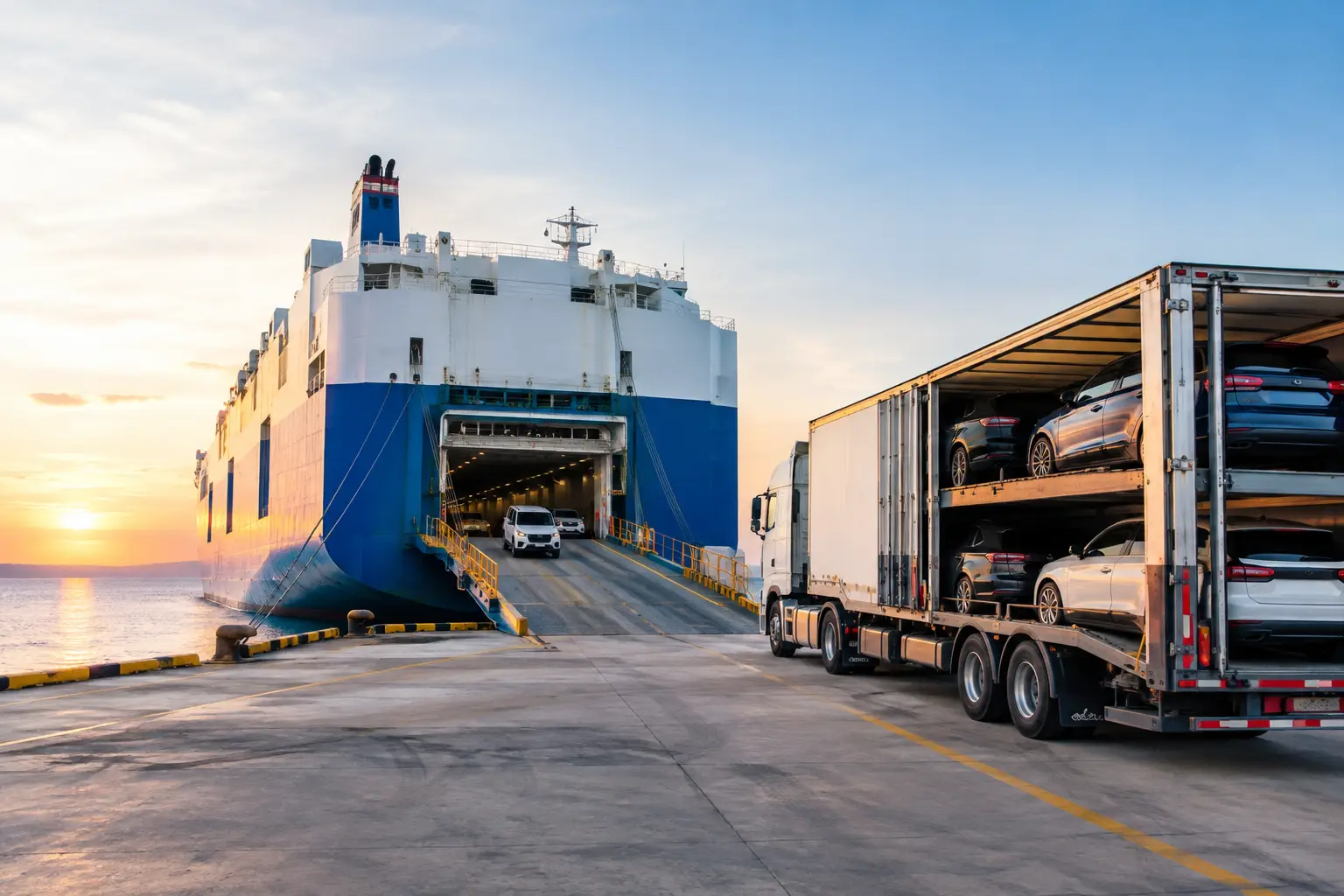
RoRo means roll-on/roll-off. The vehicle is driven onto a purpose-built vessel, secured on an enclosed vehicle deck, and driven off at the destination port. It travels as a vehicle, not as cargo inside a box. This is the standard method for many operable cars, trucks, SUVs, and commercial vehicles leaving Japan.
Container shipping places the vehicle inside a sealed 20-foot or 40-foot container. The vehicle is loaded, chocked, and secured with lashing equipment to limit movement during the voyage. A buyer may book a dedicated container or share a container with other vehicles or cargo, depending on the route and available service.
Neither method changes the need for correct export documents, a verified chassis number, a properly prepared bill of lading, and destination-country customs compliance. The shipping method affects how the vehicle gets there. It does not solve an eligibility problem. For example, a vehicle that does not meet the United States 25-year import rule does not become legal to import simply because it travels in a container.
When RoRo Is the Better Fit
RoRo is often the most cost-effective method for a standard, running vehicle headed to a major vehicle-import port. Japan has regular RoRo sailings to many markets, and the process is designed around handling large volumes of automobiles efficiently.
The vehicle must normally be able to start, steer, brake, and move under its own power. Shipping lines may have their own requirements concerning ground clearance, fuel level, battery condition, fluid leaks, and loose items. A severely lowered car, a vehicle with a damaged suspension, or a non-running restoration project may not be accepted. There can also be additional restrictions for modified vehicles and electric or hybrid vehicles, depending on the carrier and route.
One misconception is that RoRo leaves a vehicle exposed to ocean weather. Vehicles are generally carried inside enclosed decks, not parked on an open cargo deck. Still, RoRo involves port staff driving the car during loading and discharge. It also involves terminal storage before sailing and after arrival. That is normal operational handling, but it is a real consideration for collectors with exceptionally low-mileage, fragile, or highly modified cars.
RoRo also limits what can travel with the vehicle. Personal belongings are not permitted. Spare parts, wheels, tools, and accessories may be restricted or refused unless specifically approved and properly declared. Buyers who need to move a vehicle and a legitimate set of related parts often find that a container is more suitable, though customs and carrier rules still apply.
What Container Shipping Provides
Container shipping is commonly selected for vehicles that need more protection from terminal handling, cannot be driven onto a RoRo vessel, or are being shipped with approved cargo. The vehicle is secured inside the container in Japan and remains there until the container is opened at the destination or designated inspection location.
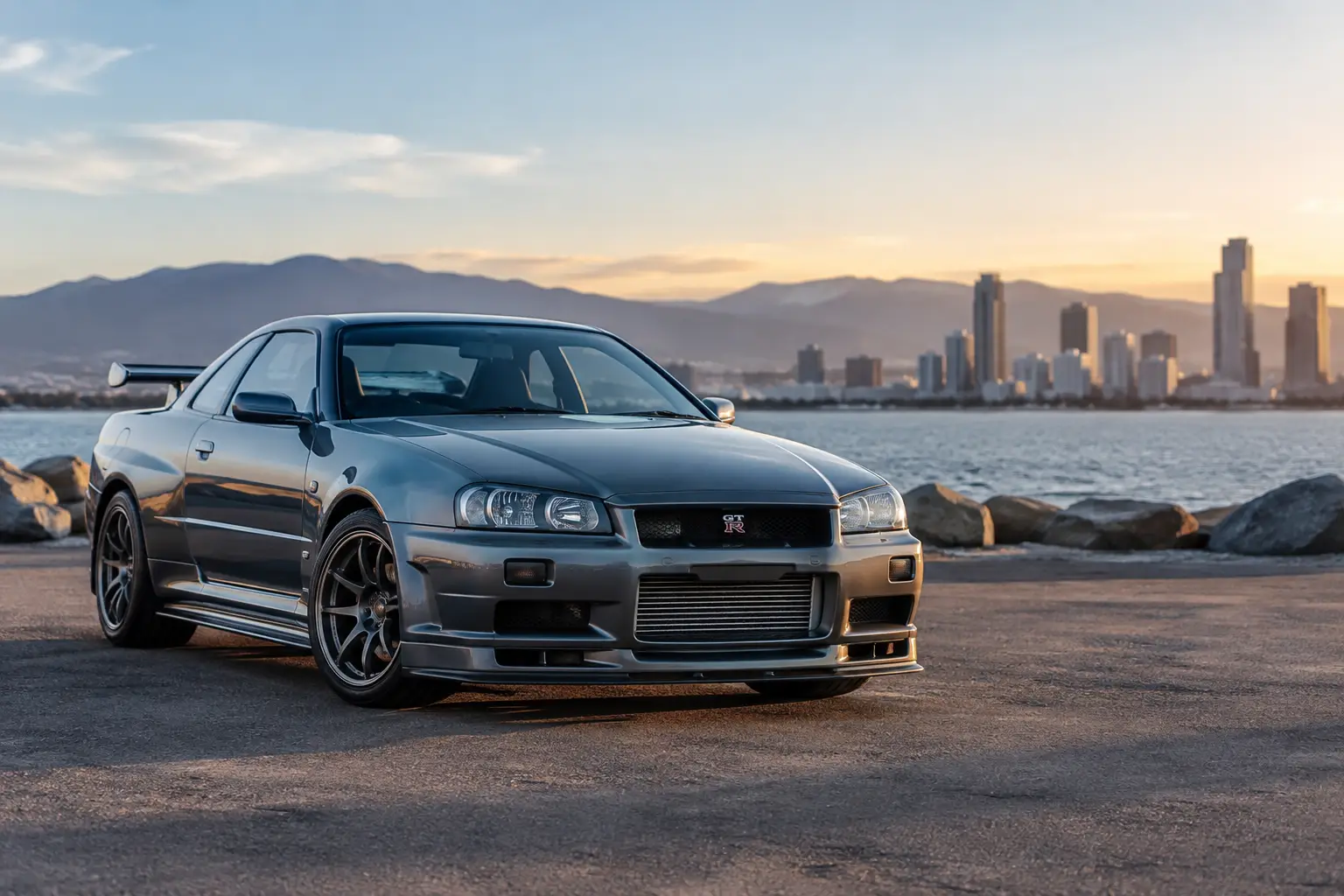
That can be useful for a rare GT-R, a restoration shell, a track car with limited ground clearance, or a vehicle that has mechanical issues preventing RoRo acceptance. It may also be the only practical choice when the destination does not have a convenient RoRo service but has container freight available.
A container is not automatically a zero-risk solution. Good loading work is essential. The vehicle needs correct lashing points, proper wheel chocks, adequate clearance, and protection around vulnerable areas. Poorly secured cargo can shift. Loose parts can cause damage. A container that is loaded carelessly offers no advantage over RoRo just because its doors are sealed.
Shared containers can lower the cost per vehicle, but they can add scheduling variables. The container may need to be filled before it is released, and unpacking procedures at the destination can create additional handling and coordination. A sole-use container offers greater control but is often more expensive, especially for a single compact car.
Cost Is More Than the Ocean Freight Quote
A RoRo quote often looks lower at first because the vessel is moving a self-propelled vehicle in a high-volume system. For a standard running car headed to a port such as Baltimore, Jacksonville, Brisbane, Auckland, or Southampton, that can make RoRo very attractive.
Container pricing has more moving parts. In addition to ocean freight, the price can include container positioning, loading labor, lashing materials, terminal charges, documentation, and destination deconsolidation if the container is shared. The final cost depends heavily on the port pair, vehicle size, container availability, and whether you are using a full container or a shared service.
Do not compare two quotes based on one number alone. Ask what is included at origin and destination, whether the price covers export handling, and what local port charges may still be payable. Also confirm where the vehicle will be collected. A cheaper sailing to a distant port can lose its advantage once domestic transport, storage time, and customs broker coordination are added.
Choosing the Right Method for Your Vehicle
For most stock, running vehicles, the decision usually starts with the destination. If there is frequent RoRo service to a practical arrival port, RoRo may be the cleanest route. It is especially suitable for a dealer moving inventory, a buyer importing one straightforward vehicle, or anyone who does not need to ship parts with the car.
Container shipping becomes more compelling when the vehicle itself creates special handling requirements. A non-runner, a classic with a questionable cooling system, a car with very low clearance, or a vehicle that should not be repeatedly driven around a terminal deserves a container discussion. The same applies when you are shipping multiple vehicles. Two or more smaller vehicles may make better economic sense in a 40-foot container than they would as separate RoRo shipments, depending on the route and timing.
Consider these questions before you bid or buy:
- Does the vehicle start, steer, brake, and meet the carrier's operational requirements?
- Is there regular RoRo service to a port that works for your final delivery location?
- Are you shipping only the vehicle, or approved parts and accessories as well?
- Is the vehicle's value, condition, or modification level worth the added control of a container?
- Will a shared container's timing work for your purchase and customs schedule?
The answer can also change by vehicle type. A clean, stock Toyota Crown may be an easy RoRo candidate. A slammed Silvia with an aggressive aero kit may require container loading. A classic Land Cruiser that runs well but has valuable loose spares could go either way, provided all cargo is declared and accepted under the relevant shipping and customs rules.
Inspection and Documentation Still Matter
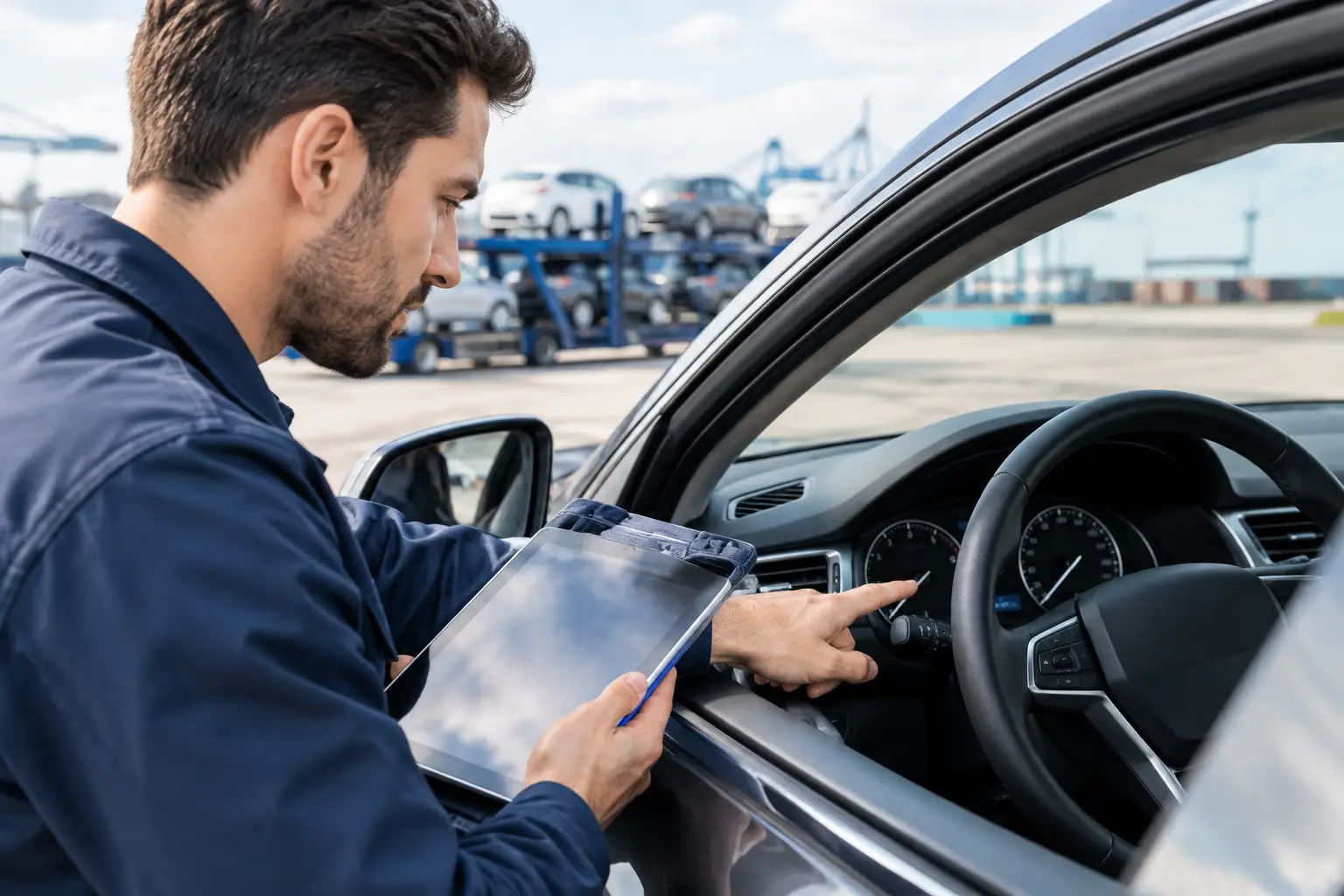
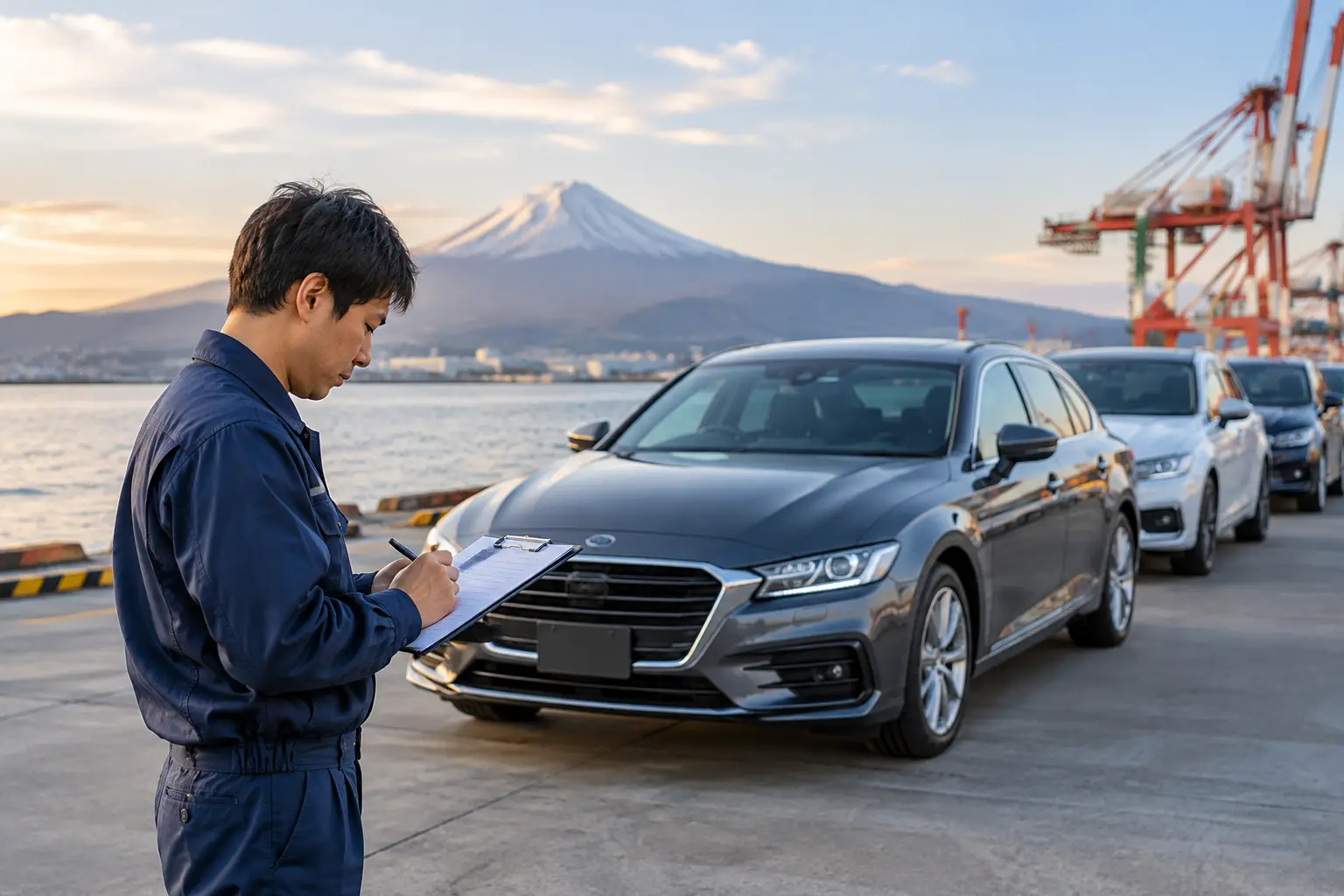
Shipping selection should happen after the vehicle has been properly assessed, not before. A pre-purchase inspection can reveal a weak battery, coolant leak, damaged tire, or suspension issue that affects RoRo acceptance. It also gives you a clear baseline of the vehicle's condition before port delivery.
High-resolution photographs, underbody images, odometer verification, auction documentation, and a record of existing scratches or dents are valuable regardless of shipping method. They protect the buyer's understanding of what was purchased and create a condition record before the vehicle enters the export process.
At Direct Imported Japan, we look at the actual car and the practical shipment path, not just the lowest published freight rate. That includes checking whether a vehicle is suitable for RoRo, identifying concerns early, and coordinating the documentation required for export and destination clearance.
Plan the Shipment Before the Auction Bid
The best time to decide between container shipping and RoRo is before you commit to the vehicle. A shipping plan can influence which auction cars make sense, how quickly you need the vehicle moved, and what your realistic landed cost will be.
Before placing a bid, confirm the vehicle's operational condition, the destination port options, and the complete scope of charges. A good export partner will give you the candid answer, even when it means recommending the less convenient option. That is how a vehicle arrives as the car you intended to buy, not as an avoidable logistics problem.