25 Year Rule Japanese Imports Explained for Buyers

A clean Japanese-market performance car can look ready to ship the moment it appears at auction. But the 25 year rule Japanese imports process is not based on how desirable the vehicle is, its model year on a sales listing, or the date you wire payment. It is based on whether the specific vehicle is old enough when it enters the United States - and whether its documentation supports that claim.
That distinction matters. A buyer who assumes every 2001 model is automatically legal in 2026 can create an expensive port problem. The correct build date, the separate EPA requirement, an accurate export certificate, and a realistic plan for state registration all need to line up before bidding.
What the 25 Year Rule Actually Covers
The commonly used 25-year rule refers to the federal exemption from the Federal Motor Vehicle Safety Standards administered by the National Highway Traffic Safety Administration. A vehicle that is at least 25 years old when imported is generally exempt from having to comply with U.S. safety standards that applied to new vehicles.
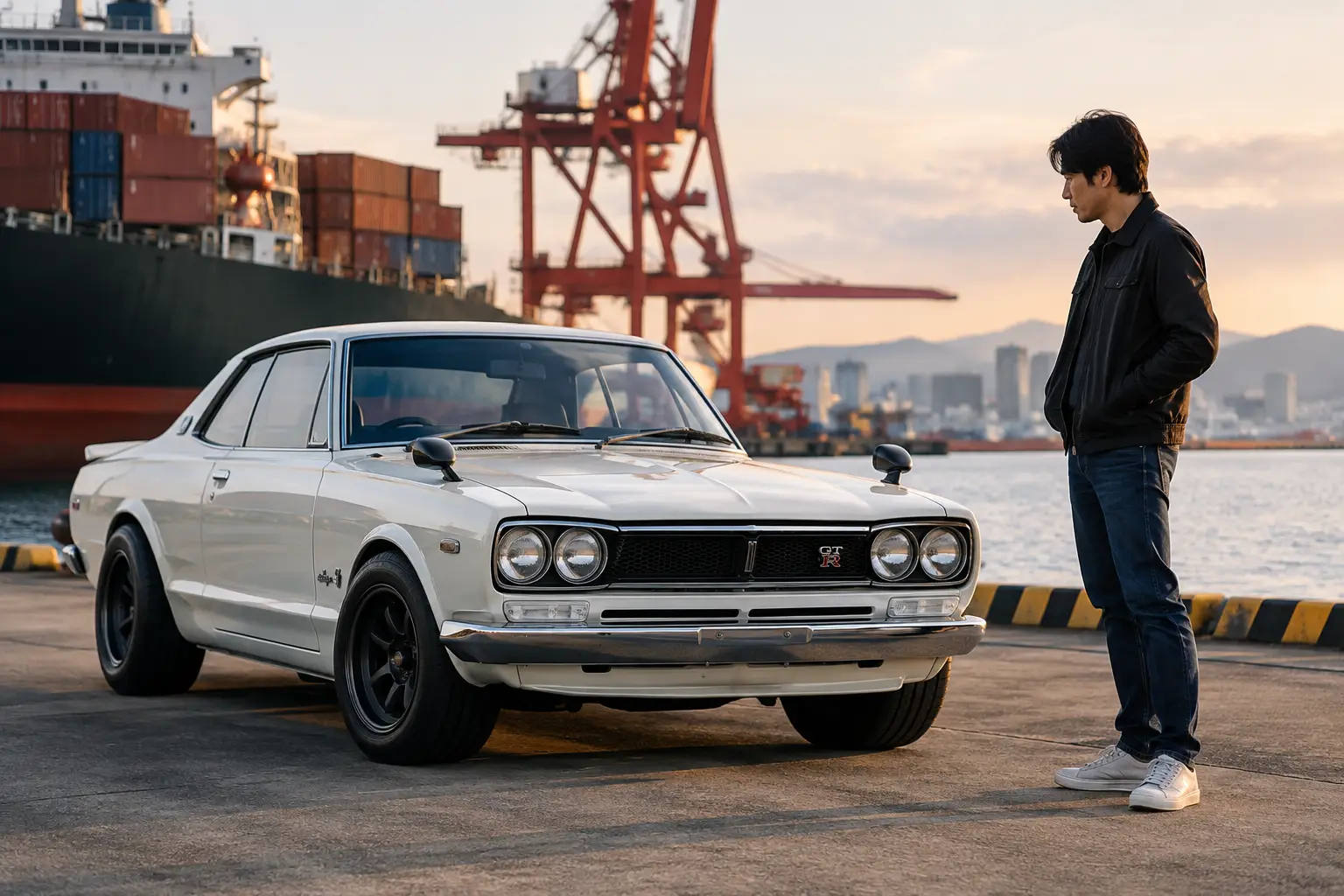
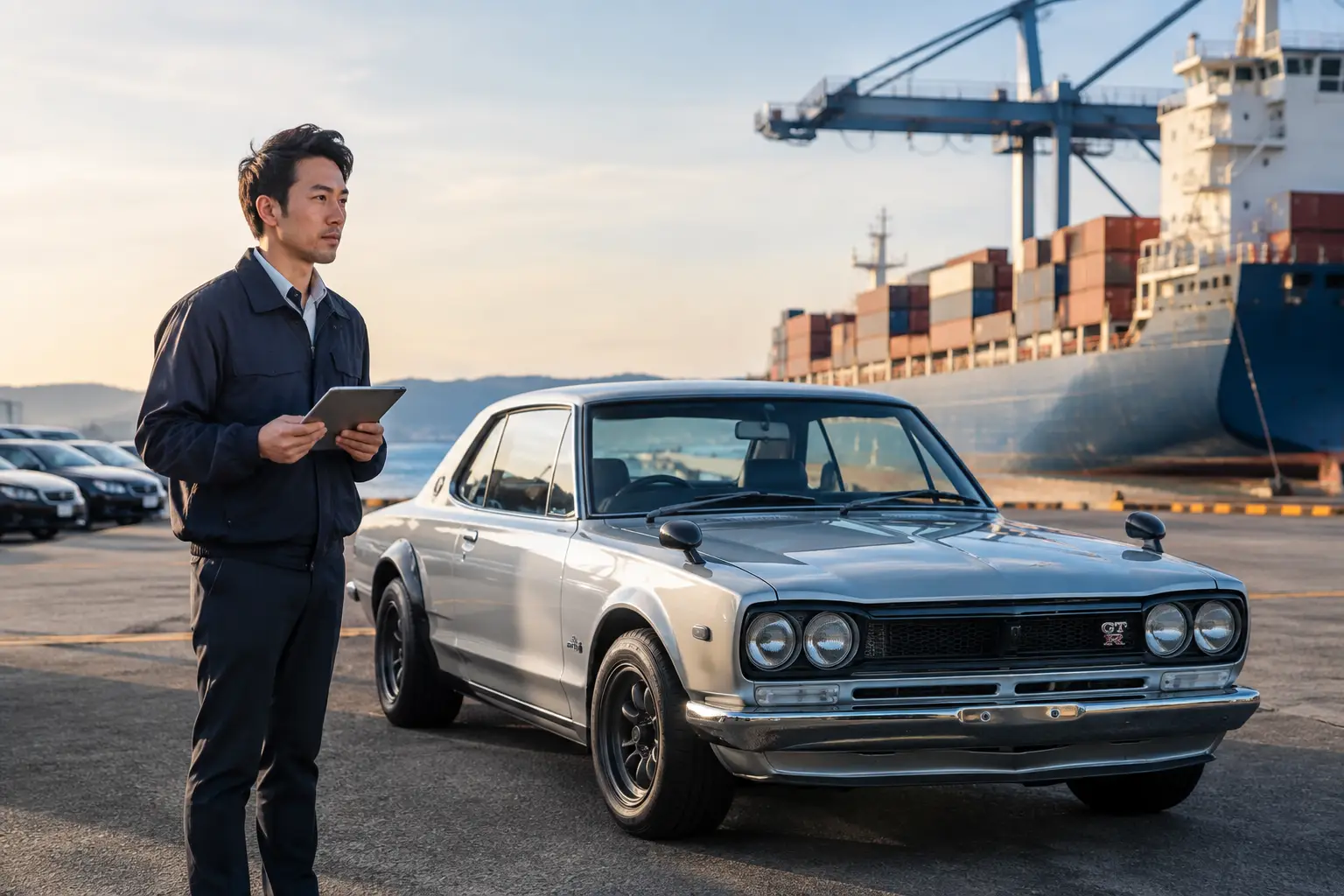
This exemption is why vehicles never sold new in America, including Nissan Skylines, Toyota Chasers, Mitsubishi Lancer Evolutions, and many special-edition kei and 4WD models, can be imported legally once they reach the required age. It does not mean the car becomes identical to a U.S.-market version, or that every part of the import process disappears.
The important practical rule is simple: eligibility follows the vehicle's date of manufacture, not merely the model year. A 2001 vehicle built in January may be eligible months before the same model built in November. At auction, sellers and listings may use a model year or first-registration year that does not tell the whole story. We verify the chassis information and available manufacturer or Japanese registration records before treating a vehicle as eligible.
The 25 Year Rule Japanese Imports Timeline
A vehicle must be 25 years old at the time it is imported into the United States. For a shipment arriving close to the eligibility date, build-date verification and shipping timing are not minor details. A vessel delay is inconvenient; a car arriving before it qualifies can be far more serious.
A careful purchase plan starts with the actual manufacture month and, where available, the exact date. The chassis number, identification plate, auction sheet, export certificate, and prior Japanese registration history should tell a consistent story. If records conflict, resolve that issue before purchase, not after the vehicle is on the water.
For buyers planning around a future eligibility date, allow time for auction purchase, payment, deregistration, export preparation, vessel booking, ocean transit, and U.S. port processing. A vehicle bought just before its 25th anniversary may still be perfectly timed if its entry occurs after the qualifying date. The reverse is also true.
The EPA Rule Is Separate From the Safety Exemption
The NHTSA 25-year exemption is only one federal requirement. Most qualifying Japanese imports also rely on the Environmental Protection Agency exemption for vehicles that are at least 21 years old and retain their original engine and emissions configuration.
That original-condition requirement deserves real attention. A heavily modified auction vehicle may be attractive, especially when it has a larger turbocharger, standalone engine management, a replacement engine, or removed emissions equipment. Yet modifications can complicate the EPA declaration even when the car is well beyond 25 years old. A modified vehicle is not automatically impossible to import, but it should never be treated as a routine transaction without confirming its configuration and the proper compliance path.
This is one reason an auction sheet alone is not enough. Japanese auction reports are valuable, but they are not U.S. compliance documents. They may note modifications, replacement panels, engine noise, warning lights, corrosion, or repair history, often in brief Japanese notation. An English translation and a physical inspection provide a much clearer picture of what is actually being purchased.
Documents That Support a Clean U.S. Entry
The paperwork must accurately match the car, the buyer, and the declared value. For a typical eligible vehicle, the entry package will include the Japanese export certificate or deregistration document, bill of lading, commercial invoice, and the required federal import declarations. U.S. Customs and Border Protection also needs the vehicle identification information to match across the file.
The NHTSA declaration is generally made on DOT Form HS-7, while the EPA declaration is generally made on EPA Form 3520-1. Your customs broker will handle the entry process, but the broker can only work with correct source documents. A mistaken chassis number, an unclear manufacture date, or an invoice that does not reflect the transaction can delay release and create avoidable questions at the port.
Duty is another item buyers should price before they bid. Passenger vehicles are commonly subject to a 2.5% federal import duty, while pickups can face a much higher 25% rate. The rate and customs treatment can depend on vehicle type and classification, so confirm the current position with a qualified customs broker before committing to a truck or unusual commercial vehicle. Port fees, broker fees, inland transport, insurance, and any state taxes are separate costs.
Clear pricing means looking beyond the auction hammer price. The auction fee, inland movement in Japan, export documentation, shipping, U.S. entry, and delivery to your location all belong in the real landed-cost calculation.
Federal Import Approval Is Not State Registration
A vehicle can be legally imported at the federal level and still require additional work before it can be titled and registered in your state. States have their own procedures for inspections, VIN verification, title applications, sales or use tax, emissions testing, and equipment requirements.
Some states are straightforward with properly documented 25-year imports. Others are more particular about inspections, title history, lighting, insurance, or emissions rules. California is a frequent example where federal age eligibility does not automatically mean easy road registration. Buyers in states with strict emissions or title procedures should check their local requirements before selecting a vehicle, especially a modified one.
Keep every original import document. The Japanese export certificate, bill of lading, entry paperwork, federal declarations, purchase invoice, and translations may be needed for a title application long after customs has released the car. Replacing missing paperwork later is harder, slower, and sometimes impossible.
Auction Condition Still Matters After a Car Qualifies
Eligibility is not a condition report. A 25-year-old car may be legal to import and still be a poor purchase because of underbody corrosion, accident repair, smoke on startup, transmission noise, flood history, odometer inconsistencies, or parts that are difficult to source.
Japanese auctions offer an extraordinary range of vehicles, but grade numbers should be read with context. An exterior grade does not guarantee a mechanically perfect car. Likewise, a low-grade car may be a sensible project if the buyer understands the repair scope and buys at the right price. The real risk is bidding without knowing which one you are looking at.
For performance models, inspect the areas that affect ownership rather than only resale photos: chassis rails, strut towers, floor pans, oil leaks, cooling-system condition, clutch operation, boost behavior, warning lamps, aftermarket wiring, and evidence of prior collision repair. Odometer verification is equally valuable when a car's price is being justified by low mileage.
Buy to the Date, Not the Hype
The strongest 25-year imports are not always the most famous names. A well-kept, correctly documented example with a clean inspection can be a better long-term purchase than a headline car with unclear history and aggressive modifications. This is especially true for dealers whose reputation depends on accurately representing inventory after arrival.
Before you bid, establish the vehicle's manufacture date, confirm its EPA situation, review the condition report in English, and calculate the landed cost through your destination. Then give the auction representative a firm budget that accounts for repairs and registration, not just the excitement of winning.
Direct Imported Japan works from the auction floor and with export records every day, which makes it possible to identify these issues before a vehicle becomes your problem at the port. The right car is worth waiting for - particularly when a few weeks, a better inspection, or a clearer document file can protect years of ownership.