BICON Inspection: Imported Cars Japan to Australia

A BICON quarantine inspection for imported cars from Japan to Australia is not a paperwork formality. A clean, well-prepared vehicle can move through the port with minimal delay. A vehicle carrying soil in the chassis rails, leaves in the cowl panel, or animal hair under the seats can be held for treatment, reinspection, and additional charges.
For Australian buyers, biosecurity is separate from the vehicle’s import approval, customs entry, and road registration pathway. All four matter. But BICON conditions are where many otherwise well-bought Japanese imports become unexpectedly expensive at the Australian port.
What BICON Means for Japanese Vehicle Imports
BICON is the Australian Government’s Biosecurity Import Conditions system. It sets the biosecurity requirements that apply to goods entering Australia, including used vehicles. The purpose is straightforward: stop soil, seeds, insects, plant material, and animal contaminants from entering the country.
Japanese vehicles can arrive in excellent cosmetic condition and still fail a biosecurity inspection. Auction-yard dust, mud trapped behind wheel-arch liners, leaves beneath the windshield cowl, or debris in a spare-wheel well are all potential problems. A low-mileage collector car is not automatically low-risk. In fact, cars that have sat for long periods can accumulate dust, nesting material, and organic debris in places that are hard to see without a proper inspection.
The exact BICON conditions and inspection arrangements should be checked for the shipment and port of arrival before export. Requirements can change, and the Australian Department of Agriculture, Fisheries and Forestry has the final say at the border.
BICON Quarantine Inspection for Imported Cars From Japan to Australia
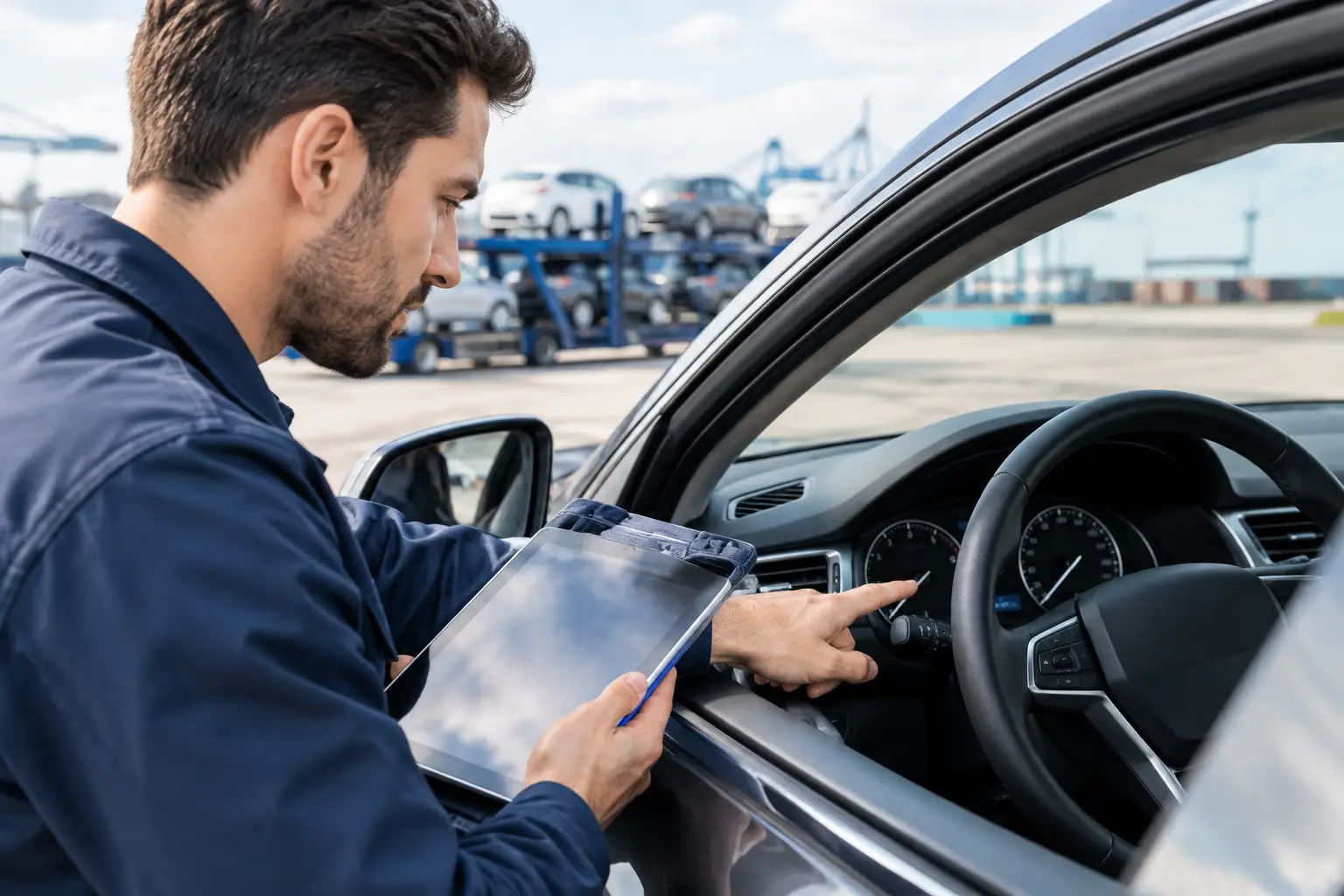
A used vehicle imported from Japan is generally subject to biosecurity assessment and inspection after it arrives in Australia. The inspector is looking for contamination, not judging the auction grade or mechanical condition. Their focus is whether the vehicle presents a biosecurity risk.
Inspection commonly includes the underbody, wheels and tires, engine bay, interior, trunk or hatch area, radiator support, vents, and areas behind plastic liners or shields where dirt collects. The inspection team may also look at shipping-related contamination, such as loose leaves or dirt that entered a vehicle during storage and transport.
If the car is found clean, it can be released from the biosecurity process and proceed to the next stage of port handling. If contamination is found, the vehicle may be directed for cleaning or treatment at an approved facility. It then needs a reinspection before release. That is where time and cost can quickly increase.
For a standard road car with a clean underbody, this process is usually manageable. For four-wheel drives, kei trucks, farm-use vehicles, vans, older cars with underbody buildup, or vehicles stored outdoors, allow for greater scrutiny. The more places a vehicle has to trap mud and organic matter, the more preparation matters.
What Causes a Vehicle to Fail or Be Held
The word “fail” can be misleading. In many cases, a vehicle has not been rejected from Australia. It has been held until contamination is removed to the inspector’s satisfaction. Still, a hold can disrupt delivery timing and add charges that were avoidable before the car left Japan.
The most common concerns are soil and mud under the chassis, grass seeds in suspension components, leaves around the windshield cowl, dirt behind bumper covers, and organic debris in the cabin or cargo area. Animal hair, food remnants, insects, and nesting material can also create problems.
Older JDM performance cars need close attention too. A Skyline GT-R or Supra may look immaculate from above, while the underside still has grease-coated dirt around subframes, wheel wells, or splash guards. A thorough wash that only reaches visible panels is not enough. The hidden areas matter most.
Modified vehicles deserve additional care. Aftermarket undertrays, enlarged intercoolers, skid plates, mud flaps, lifted suspension, and off-road accessories can all create pockets where dirt remains. Removing or loosening covers for cleaning may be worthwhile when the vehicle has been used in wet, rural, or unsealed-road conditions.
Prepare the Car Before It Ships From Japan
The best time to control biosecurity risk is before the vehicle enters the shipping yard. Once the vehicle has arrived in Australia, treatment options are more limited, more expensive, and outside the buyer’s direct control.
Start with a detailed exterior and underbody clean. This should include the wheel wells, suspension arms, subframes, brakes, tires, chassis rails, exhaust area, and behind any fitted guards or liners. The engine bay should be free of leaf matter and loose debris, but cleaning must be done carefully to avoid damaging electrical components or forcing water into sensitive areas.
The interior should be vacuumed, including beneath the seats, floor mats, trunk carpet, tool compartments, and spare-wheel well. Remove personal belongings, food, loose packaging, and any plant or animal-based material. Do not treat the vehicle as a shipping container. Loose items can create both quarantine and customs complications.
A final visual inspection is valuable after cleaning. Look underneath the car with proper lighting. Open the hood, trunk, fuel door, and cowl area. Check the air intake area and the top of the suspension towers. If the car has been fitted with an undertray, inspect behind it rather than assuming the wash reached the concealed areas.
Direct Imported Japan can arrange a hands-on inspection and export preparation process in Japan, which is particularly useful when a buyer is purchasing remotely through auction. The objective is not to promise that a government inspector will never identify an issue. No exporter can make that guarantee. The objective is to identify obvious contamination early and deliver a vehicle that has been prepared properly for the journey.
Budget for More Than the Inspection Fee
Buyers should avoid treating biosecurity as a single fixed line item. There may be an inspection charge, but the real exposure is in delay-related and treatment-related costs if the vehicle is found contaminated.
Potential charges can include approved-facility movement, washing or steam cleaning, labor to remove panels or undertrays if necessary, reinspection, port storage, and transport changes. The final amount depends on the port, the condition of the vehicle, the type of contamination, and how long it takes to obtain release.
This is why a cheaper car with poor underbody condition is not always the cheaper import. Auction photos rarely show every cavity beneath the car. An in-person inspection can reveal whether a vehicle has fresh mud, corrosion buildup, missing undertrays, or evidence of outdoor storage that should influence the purchase decision.
Keep Biosecurity Separate From Import Approval and Compliance
BICON clearance does not make a vehicle legal to register and drive in Australia. It only addresses biosecurity release. Buyers still need to manage the applicable vehicle import approval before shipping, customs requirements, duty and tax obligations where applicable, and state or territory registration and compliance rules.
These processes can affect each other operationally because a port delay may impact workshop bookings, compliance schedules, and onward transport. But they are administered for different reasons. A car can be clean enough for quarantine release yet still require work to meet the relevant road-use and registration requirements.
Before buying, confirm the import pathway for the specific vehicle, model year, and intended use. This is especially important for newer specialist vehicles, modified vehicles, and cars purchased for resale. Do not assume that popularity in the JDM market means automatic eligibility in Australia.
Use the Shipping Timeline to Your Advantage
A sensible import plan builds in time for cleaning, documentation checks, and a final condition review before the vehicle reaches the vessel. Rushing a car from auction yard to port can save a few days in Japan and cost weeks after arrival if contamination is discovered.
Ask for clear pre-shipment photos of the underbody, wheel wells, engine bay, interior, and trunk area. These images are useful for quality control and provide a practical record of the car’s condition before it enters the shipping chain. If a vehicle has obvious dirt or debris, address it then, not after an Australian inspector has already issued a direction.
A clean car does not eliminate every variable at the border, but it gives your import the strongest possible start. Treat quarantine preparation as part of buying the right vehicle from Japan, not as an afterthought once the ship has sailed.