How to Source a Skyline GT-R Direct From Japan
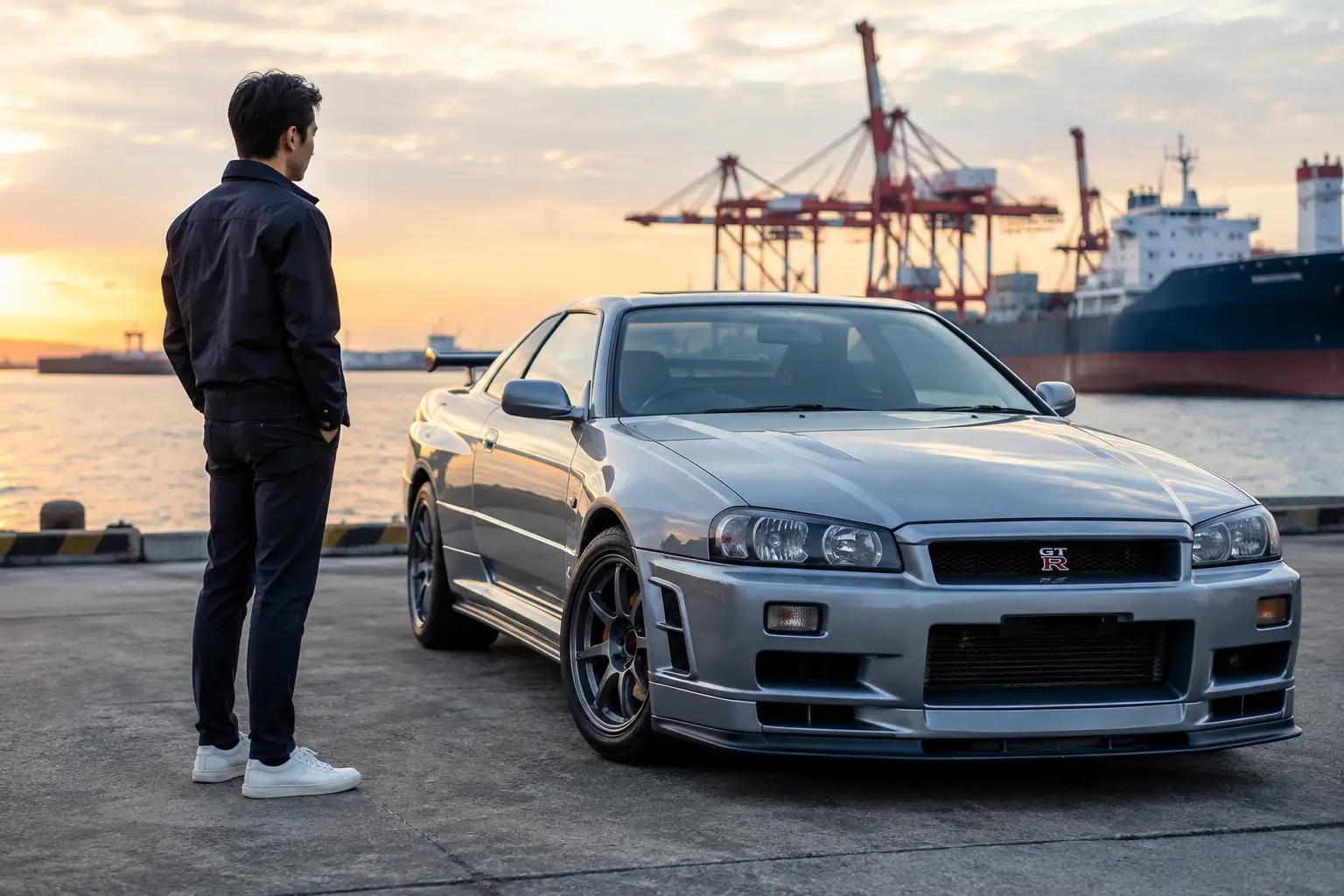
A Skyline GT-R can look excellent in a few auction photos and still carry the issues that make an overseas purchase expensive: hidden corrosion, prior repair work, incorrect mileage history, modified wiring, or a grade sheet that does not tell the whole story. To source Skyline GT-R from Japan with confidence, the buyer needs more than auction access. They need someone who can read the paperwork, inspect the car in person, and give a direct opinion before bidding.
That matters with every Japanese performance car, but especially with R32, R33, and R34 GT-Rs. Values are high, originality is increasingly important, and the difference between a clean, well-kept example and a heavily used car can be substantial. Japan remains one of the best places to find them, but it is not a shortcut around proper due diligence.
Start With the Right Skyline GT-R for Your Market
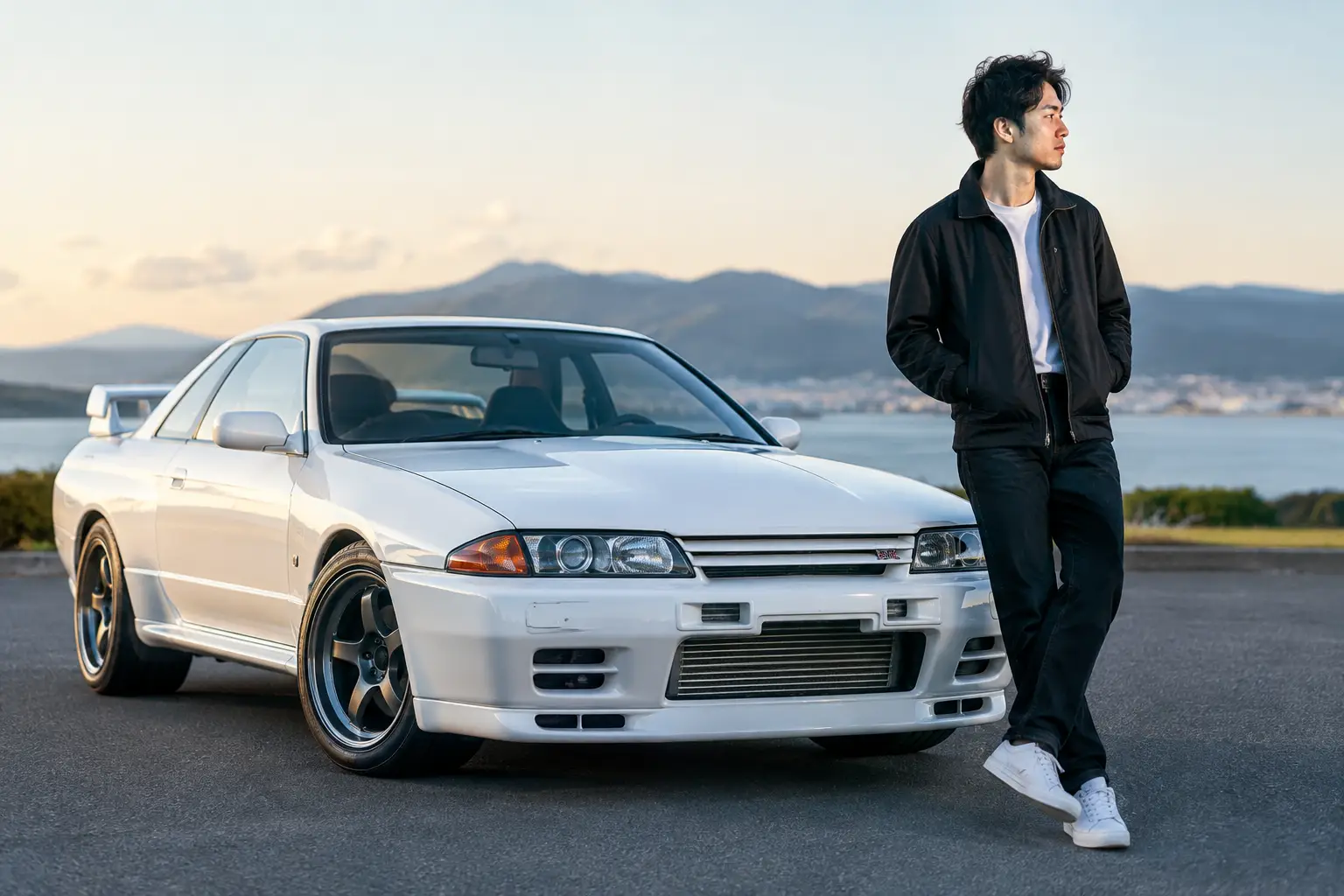
Before searching inventory, establish which generation and specification fits your budget, intended use, and import eligibility. For U.S. buyers, the 25-year federal exemption is often the first filter. R32 Skyline GT-R models are eligible, while R33 models become eligible as they reach 25 years from their manufacture date. Most R34 GT-Rs are not yet eligible for standard U.S. road importation, regardless of their popularity or auction availability.
Do not assume a model year alone confirms eligibility. The exact manufacture month matters. A vehicle built in Japan in late 2001, for example, does not meet the 25-year threshold until late 2026. Confirm eligibility before committing funds, then account for state-level registration rules after the vehicle arrives. Federal import eligibility does not guarantee easy registration in every state.
Buyers outside the United States face different rules. Australia, Canada, the United Kingdom, New Zealand, and European markets each have their own age thresholds, inspections, emissions requirements, and paperwork expectations. The right GT-R is partly a market decision, not just a collector decision.
There is also a practical choice between originality and modifications. A period-correct BBS wheel, Nismo component, quality suspension, or documented engine build may add appeal to the right enthusiast. However, heavily modified cars can create questions about reliability, emissions compliance, insurance, and resale. If your priority is long-term value, a largely original car with documented maintenance is usually the safer place to start.
Where Skyline GT-Rs Actually Appear in Japan
Most overseas buyers first see GT-Rs through dealer advertisements or auction listings. Both can be useful, but they are not equivalent.
Japanese dealer stock can be easier to review because the vehicle is already offered at a stated price. Some specialist dealers also prepare detailed photographs and service records. The trade-off is that the price generally includes the dealer’s margin, and the vehicle may have already passed through auction or wholesale channels.
Auction houses offer the broadest selection and can reveal cars that never reach retail websites. A desirable GT-R may appear at USS, TAA, JU, Arai, CAA, or a specialty auction with only a short window before sale. The auction sheet provides a valuable starting point, listing grade, mileage, repairs, noted damage, equipment, and inspector comments. It is not a substitute for a physical inspection.
An auction grade is often misunderstood. A 4-grade car is not automatically excellent, and a 3.5-grade car is not automatically poor. Grade criteria vary by auction house, inspectors work quickly, and a grade does not fully explain previous paintwork, underbody condition, mechanical operation, or the quality of aftermarket modifications. For a GT-R, the handwritten notes and diagram often matter as much as the headline grade.
What Must Be Checked Before You Bid
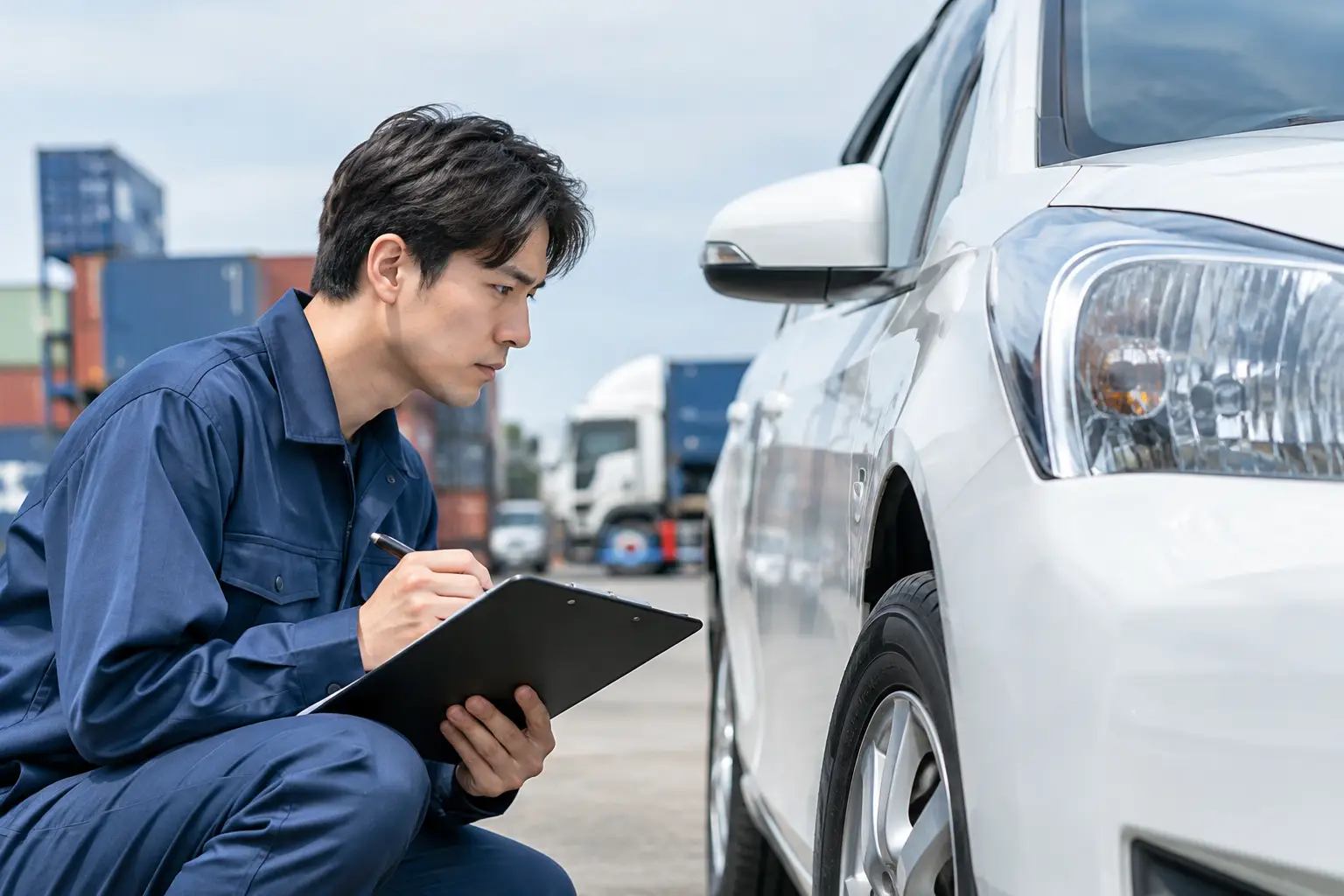
A proper pre-purchase inspection turns a listing into an informed buying decision. A representative on the ground should compare the auction sheet with the actual car, inspect it under proper lighting, and report on concerns that do not translate through standard photos.
On a Skyline GT-R, body condition deserves close attention. Check front strut towers, rocker panels, rear wheel arches, trunk floor areas, lower radiator support, suspension mounting points, and the underside for corrosion or evidence of repairs. Japanese roads and climate conditions vary widely. A car from a snow-region prefecture may require far closer rust assessment than one that has spent its life in a dry urban area.
Paint measurements can help identify refinished panels, but paintwork alone is not necessarily a reason to walk away. A properly repaired bumper or cosmetic panel is very different from structural repair, poor alignment, overspray, uneven panel gaps, or damage around chassis rails and suspension pick-up points. The report should explain the difference clearly, not simply label every car as “clean.”
Mechanical checks are equally important. The RB26DETT is a strong engine when maintained correctly, but age, tuning, and deferred service take their toll. Look for smoke, fluid leaks, cooling-system condition, abnormal idle behavior, warning lights, gearbox concerns, clutch operation, and evidence of hard use. On an R32 or R33, service history for timing belt work is particularly relevant. On R34 models, originality, electronics, and documented maintenance can have an even greater effect on value.
Mileage must be treated seriously. A low odometer reading is only useful if the history supports it. Auction records, maintenance documents, prior export records, and JEVIC odometer certification can help establish whether the reading is consistent. If the auction sheet carries a mileage question mark or a notation indicating replacement or discrepancy, the price must reflect that risk.
Set a Real Purchase Budget, Not Just a Bid Limit
The auction hammer price is only one part of the transaction. A buyer who focuses only on the maximum bid can end up surprised by domestic transport, auction charges, export preparation, documentation, shipping, marine insurance, customs duties, port handling, and inland delivery.
A transparent sourcing partner should provide a clear estimate before bidding, separating the vehicle price from service and logistics costs. Exact totals depend on the auction, port of departure, shipping method, destination port, and the vehicle itself. Roll-on/roll-off shipping is often cost-effective for a running vehicle, while container shipping may suit buyers who want added protection, have parts to ship with the car, or are consolidating multiple vehicles.
For U.S. imports, buyers should also plan for customs entry, the applicable duty, port fees, bond requirements where applicable, and delivery from the port. The vehicle will need the correct export certificate and translated documentation, along with required federal import forms. Do not leave this planning until the vessel has already sailed.
Use a Japan-Based Representative, Not Just an Online Portal
Live auction access is useful, but it does not remove the language barrier or the physical distance between the buyer and the car. The question is not whether you can view an auction listing online. The question is who will stand beside the GT-R, check the details, and tell you when it is not worth pursuing.
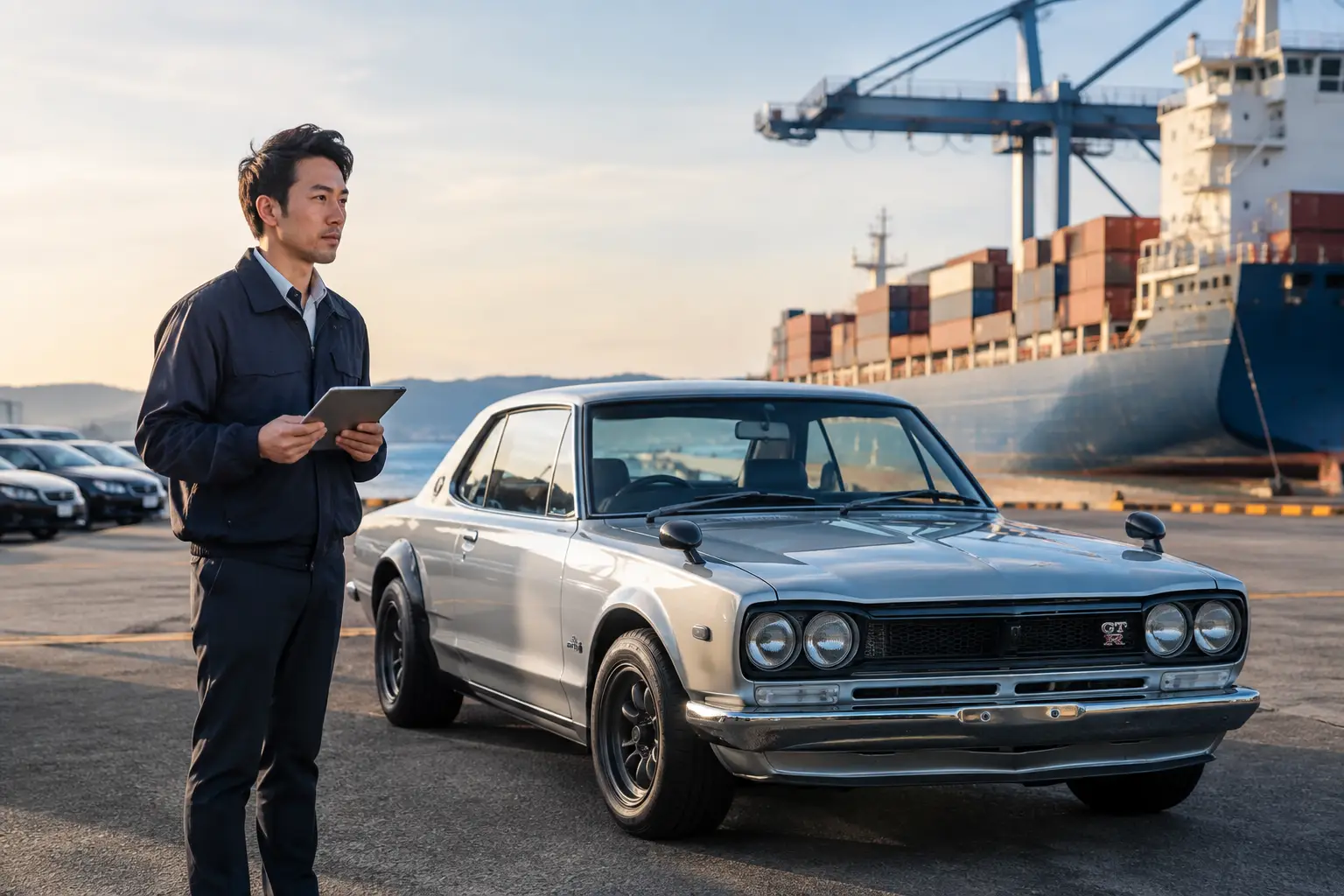
At Direct Imported Japan, that hands-on role is central to the process. We attend auctions, inspect vehicles, translate the condition information, verify the relevant details, and provide high-resolution reporting before a client bids. If a car has rust concerns, questionable repairs, worn interior trim, or signs of aggressive modification, the client should hear that before money is committed.
This is also where bidding discipline matters. Rare GT-Rs can create emotional auctions, particularly for desirable colors, low-mileage examples, V-Spec models, or cars with recognizable Nismo equipment. Set a ceiling based on condition and total landed cost, then stay with it. Another car will appear. Paying too much for the wrong car is rarely corrected by its future resale value.
Paperwork and Shipping Are Part of the Purchase
Once a GT-R is purchased, the job shifts from selection to execution. The exporter should arrange payment confirmation, domestic transport from the auction or seller, export clearance, shipping booking, and document preparation. The original Japanese export certificate, bill of lading, commercial invoice, and translations must align with the vehicle’s chassis number and declared value.
Keep every document. Beyond customs entry, these records help with title processing, state registration, insurance, future resale, and establishing the vehicle’s provenance. For collectible GT-Rs, a documented import history is part of the car’s story.
The best purchase is not always the lowest-priced example or the lowest auction bid. It is the Skyline GT-R whose condition, mileage, eligibility, documentation, and total cost all make sense for your plans. Give the search time, insist on an honest inspection, and let the vehicle earn your confidence before it earns your money.