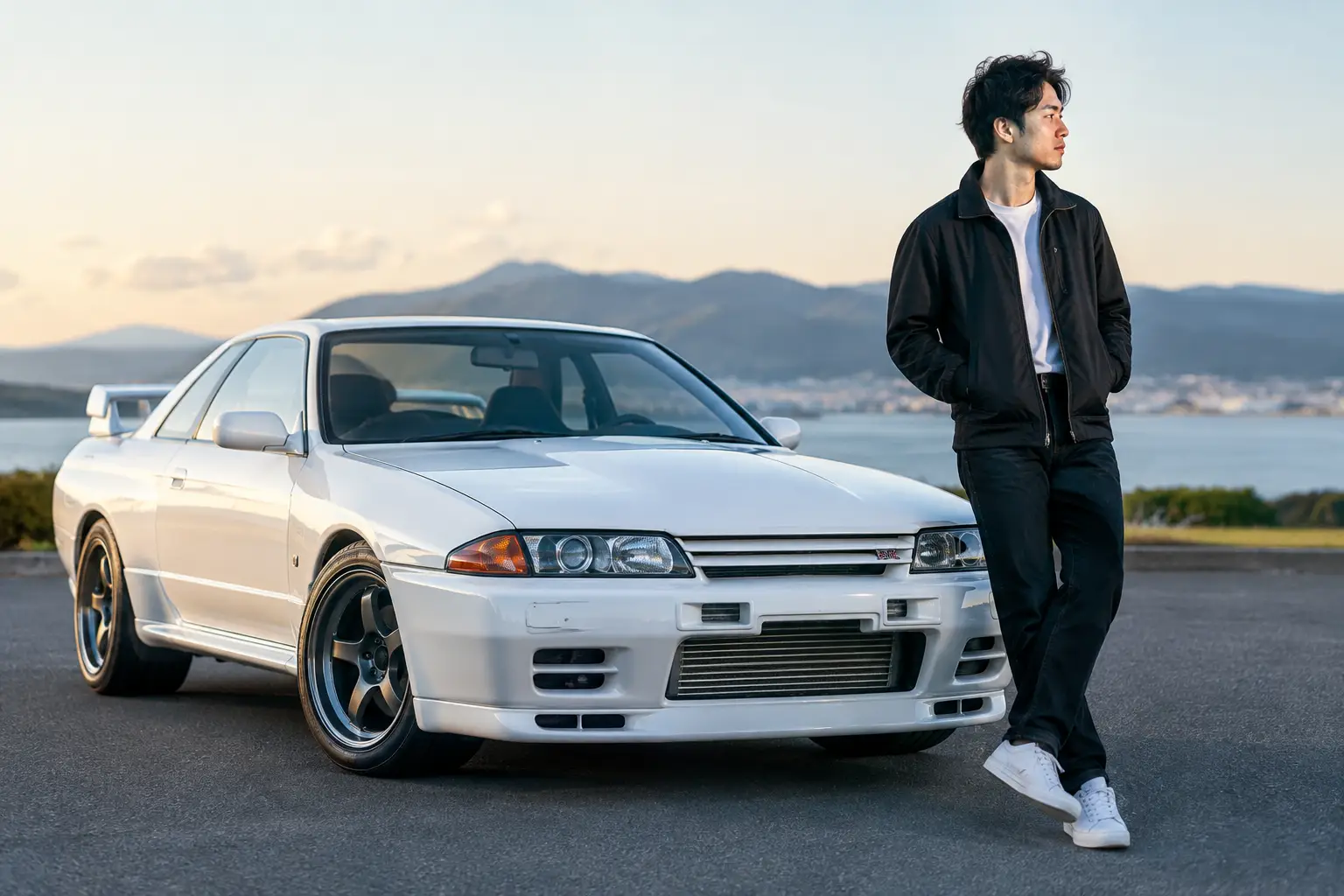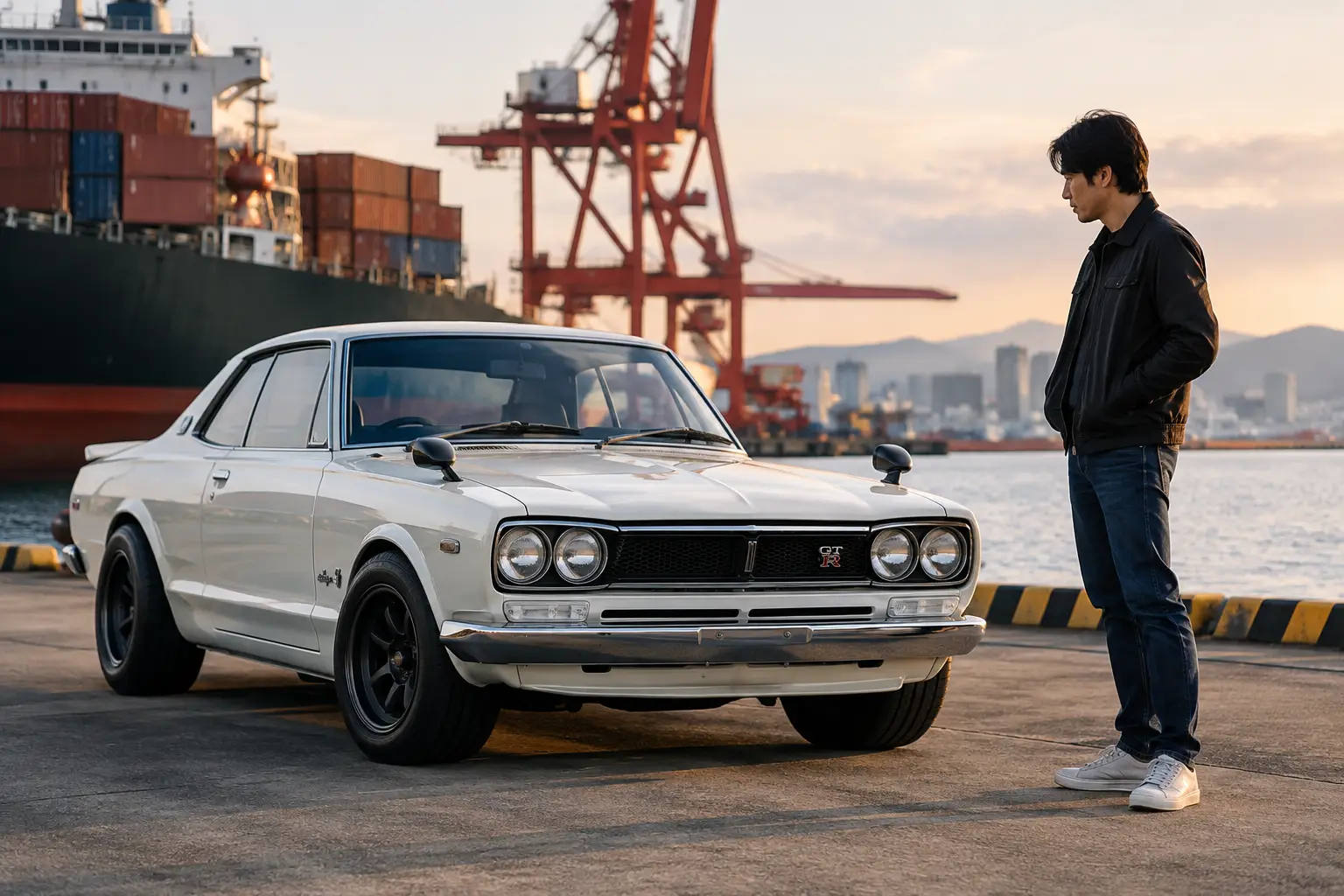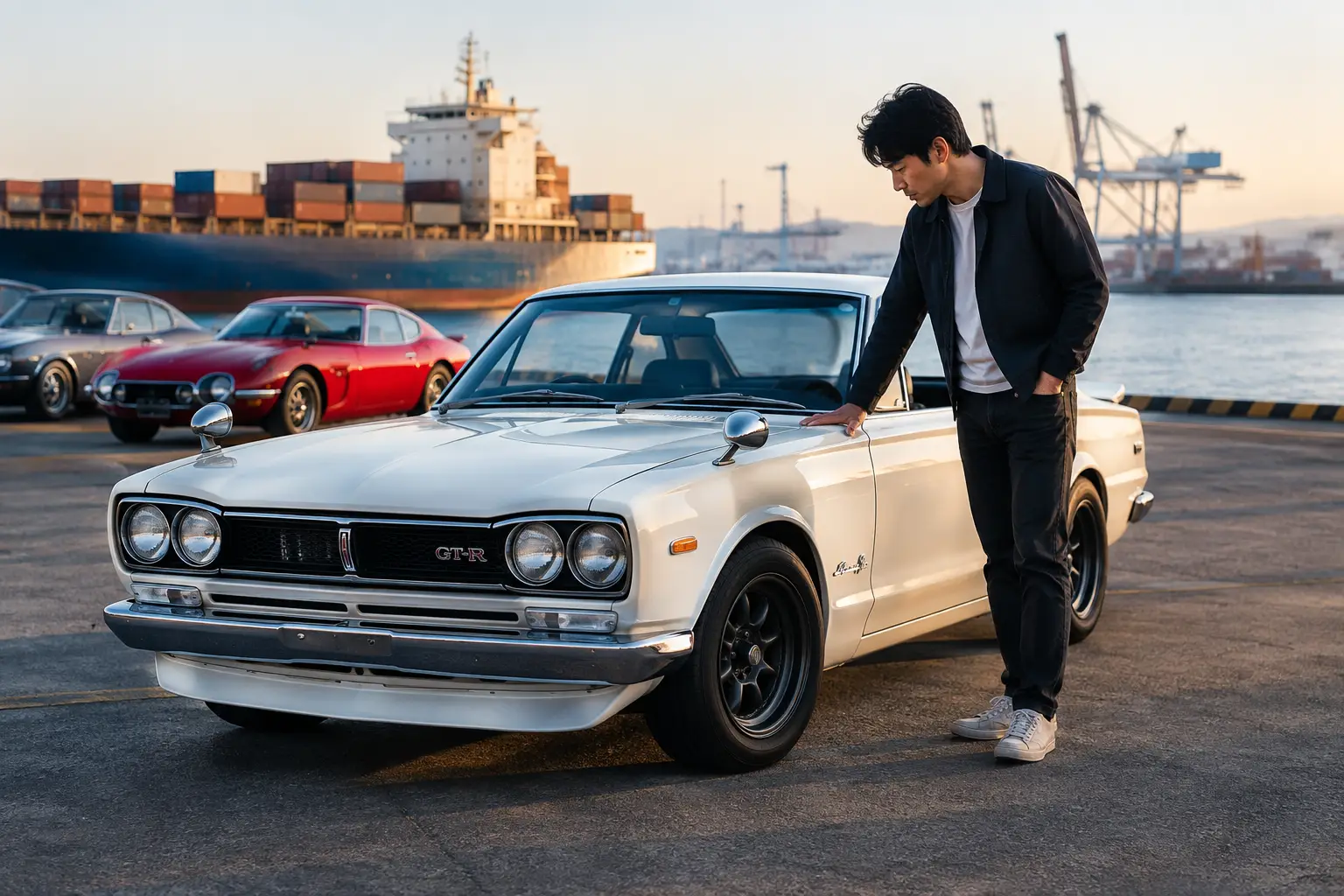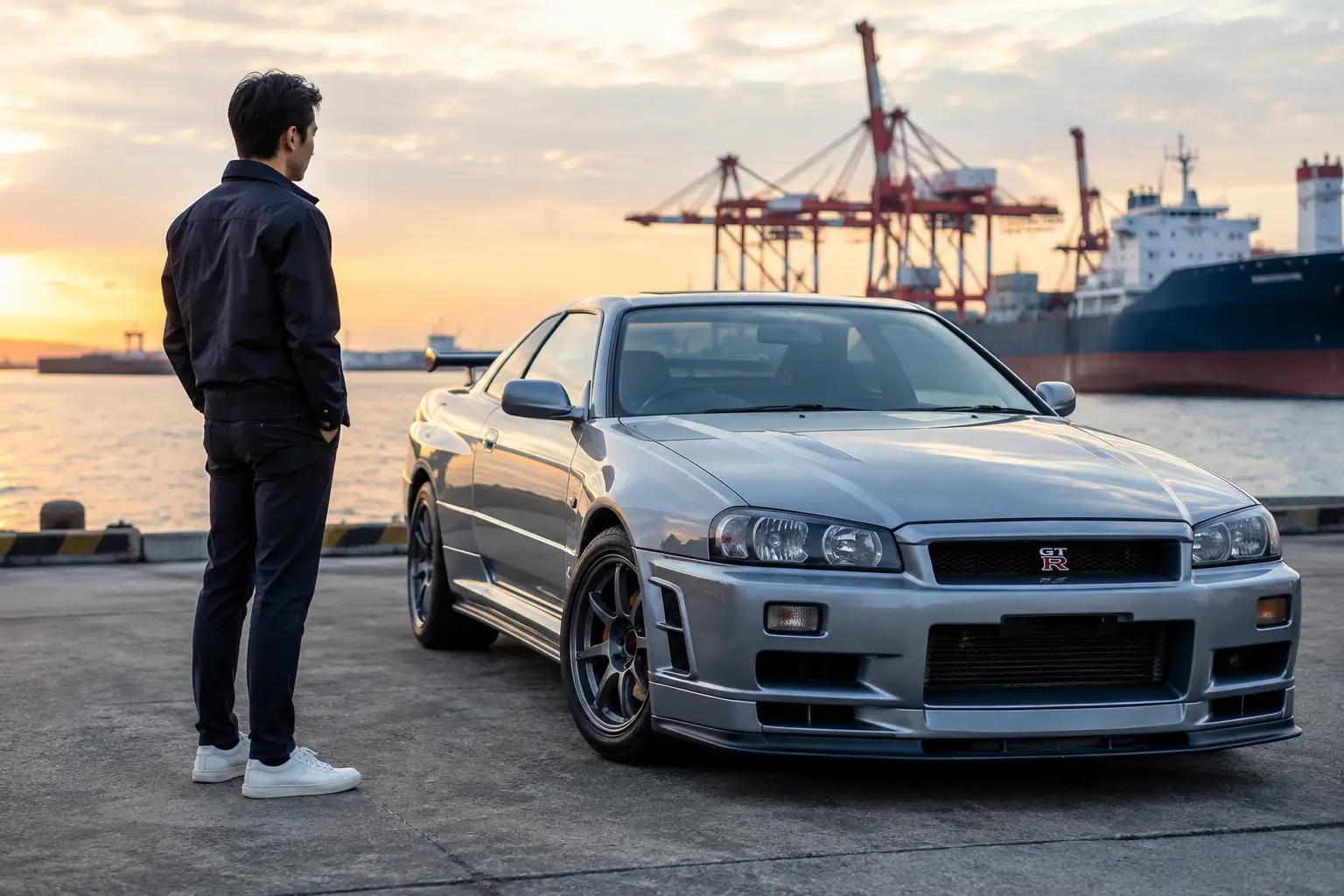
Japanese Car Export Services for Dealers
A dealer can lose months of margin on one poorly represented import. A clean-looking auction sheet may hide underbody corrosion, prior repair work, a tired transmission, or an odometer history that does not support the advertised mileage. That is why Japanese car export services for dealers should be judged by what happens before the bid, not merely by how quickly a vehicle can be shipped.
Japan remains one of the strongest sourcing markets for specialty inventory, performance cars, low-mileage examples, and right-hand-drive vehicles. But auction access alone is not a buying strategy. Dealers need a Japan-based partner who can inspect the actual vehicle, translate the condition report accurately, challenge a questionable listing, and keep documentation and shipping on track.
What Dealers Should Expect From a Japan Export Partner
The best export service acts as an extension of your buying team in Japan. That means more than sending auction links or forwarding a translated sheet after a car has already been purchased. It means understanding your stock profile, target price range, customer demand, and tolerance for cosmetic or mechanical reconditioning.
A useful sourcing conversation starts with specifics. Are you buying 25-year-rule inventory for the U.S. market? Late-model specialty vehicles for a country with different compliance rules? Clean, retail-ready examples, or lower-cost units that your shop can recondition profitably? The correct vehicle for one dealer may be the wrong vehicle for another, even when both are looking at the same model.
A capable export partner should provide live auction access, explain auction grades in plain English, and identify meaningful defects before bidding. Grade 4 and grade 4.5 vehicles can still have repairs, paintwork, wear, or modifications that matter to a retail buyer. A grade 3.5 car is not automatically poor value either. It may be an excellent commercial purchase if the noted issues are understood, priced correctly, and manageable in your market.
Inspection Is Where Japanese Car Export Services for Dealers Earn Their Value
Auction sheets are valuable, but they are not a substitute for a physical inspection. They are prepared quickly, often for domestic trade buyers who understand the shorthand and can inspect in person. A dealer purchasing from overseas needs more context than a few symbols on a diagram.
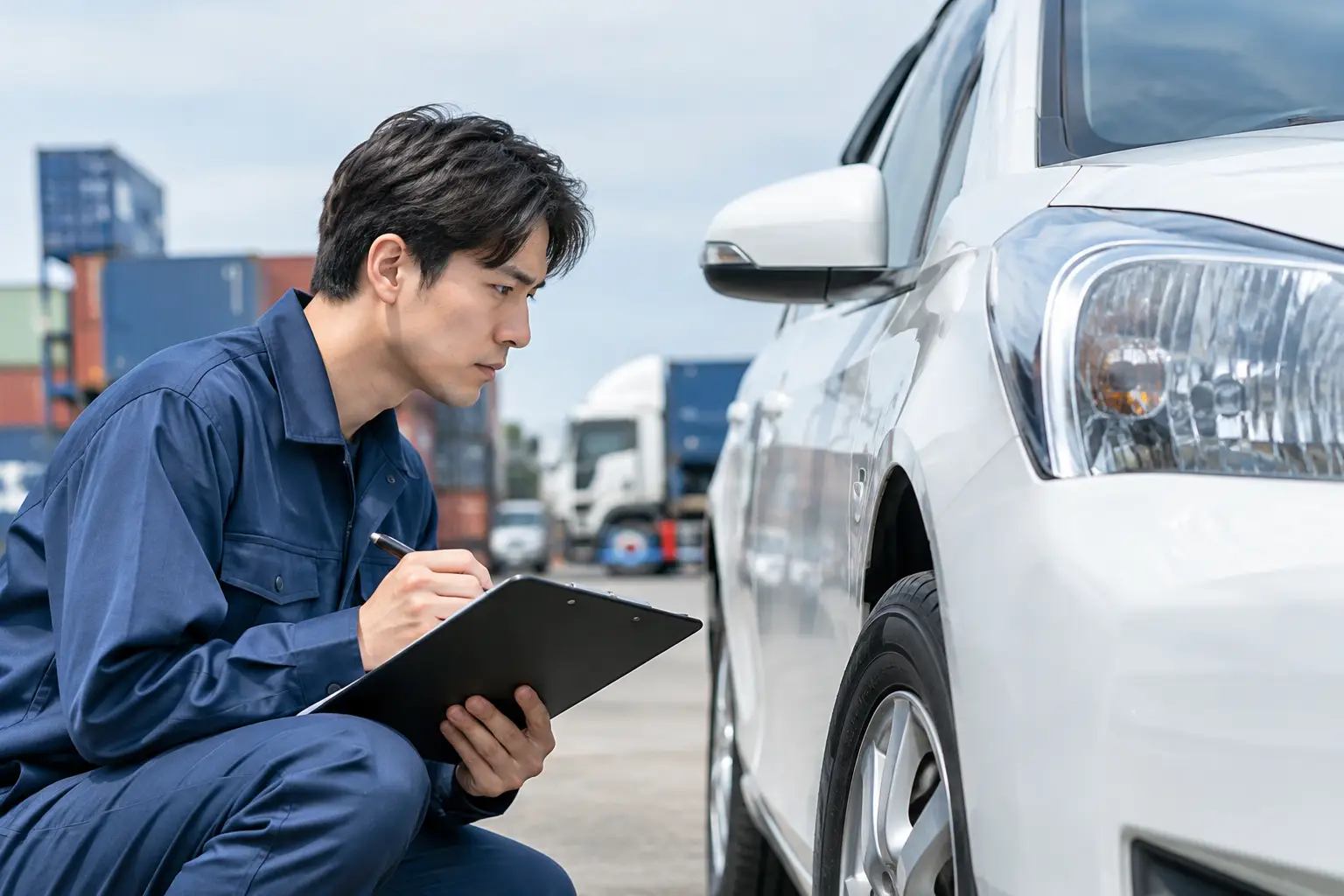
An in-person inspection should focus on the areas most likely to affect resale value, compliance, and reconditioning cost. This includes the body panels and paint condition, evidence of structural repair, underbody and suspension corrosion, tire age, engine behavior, transmission operation, interior condition, warning lights, modifications, and missing factory equipment.
High-resolution photographs matter because they give your team something concrete to review before committing funds. So does direct feedback. If the car is better than its sheet suggests, you should hear that. If there is fresh underseal covering corrosion, mismatched paint, excessive smoke on startup, or an aftermarket modification that will limit your buyer pool, you should hear that too.
Do we sit behind a computer and simply repeat what a listing says? No. Physical auction attendance and mechanical knowledge are what reduce remote-buying risk. Sometimes the right decision is to pass on a vehicle that looks attractive online. Protecting a dealer from a bad purchase is just as valuable as finding a good one.
Mileage Verification Is Not an Optional Extra
Mileage is central to both valuation and buyer confidence. Japanese auction records, service documentation, export certificates, and prior sales history can all help build a credible odometer picture. When certification is required or commercially useful, JEVIC odometer verification adds another layer of support.
No verification process can turn an uncertain history into certainty where records are incomplete. A candid exporter will explain what has been confirmed, what remains unknown, and whether the vehicle is suitable for your risk tolerance. That honesty protects your dealership long after the unit leaves Japan.
Build the Landed Cost Before You Bid
The winning bid is only one part of the acquisition cost. Dealers should set a maximum bid based on the total landed cost, expected preparation expense, and realistic retail or wholesale exit value. Buying a car cheaply at auction can still be expensive if the logistics, taxes, repairs, and compliance work were not considered upfront.
Your calculation should account for auction fees, export handling, inland transport in Japan, inspection requirements, ocean freight, marine insurance if selected, port fees, customs duty and taxes, broker charges, domestic transport, and reconditioning. Depending on the destination, compliance modifications or testing may also be required.
The U.S. 25-year rule is a common reason dealers look to Japan, but it is not a blanket approval for every vehicle. Federal age eligibility, EPA requirements, state registration rules, title procedures, and local market expectations all need to be considered. A vehicle that can be imported federally may still present registration or retailing challenges in a particular state.
Clear and honest pricing matters here. An exporter should separate vehicle cost, auction fees, service fees, transport, and shipping so you can see where the money is going. A vague all-in quote may look convenient, but it can make margin control difficult and leave room for surprises later.
Documentation and Shipping Need the Same Attention as Sourcing
A strong vehicle purchase can become a costly delay if export paperwork is incomplete or inconsistent. The exporter should coordinate the documents needed for shipment and customs clearance, including the export certificate or deregistration documentation, commercial invoice, bill of lading, and any destination-specific inspection or certification paperwork.
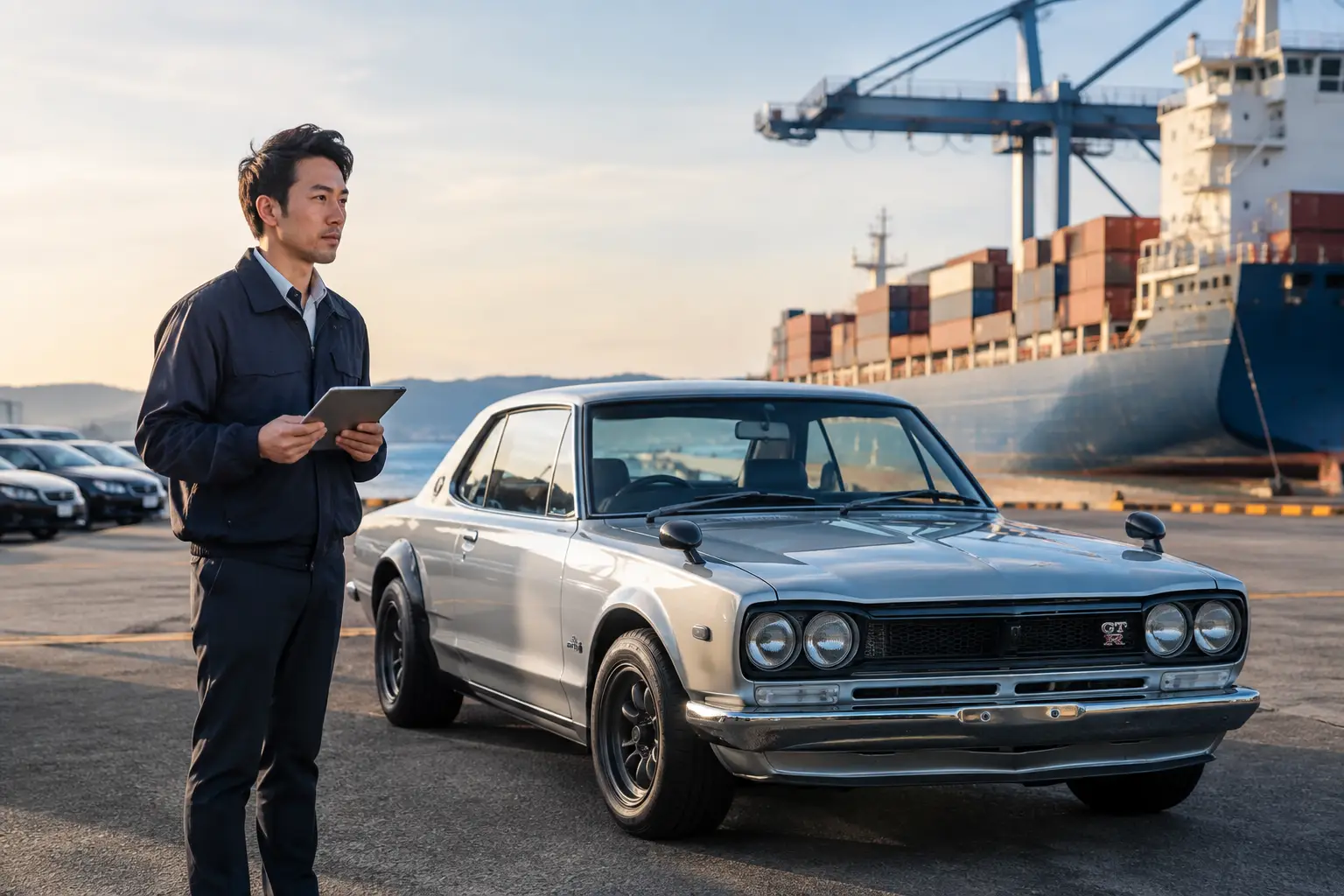
Shipping method depends on the vehicle, budget, destination, and how quickly you need stock. Roll-on/roll-off shipping is often efficient for operable vehicles and regular inventory movement. Container shipping may be preferable for higher-value cars, non-running vehicles, parts, or consolidated purchases. Neither option is universally better. The practical choice depends on the unit and your overall logistics plan.
Port timing also deserves attention. A vehicle may be purchased quickly but wait for vessel space, documentation processing, inspection scheduling, or consolidation. Good communication from the Japan side allows a dealer to plan floor space, finance, transport, recon work, and marketing dates with fewer assumptions.
Choose a Partner, Not a Listing Feed
There is no shortage of companies that can provide auction access. The real difference is accountability when a vehicle has a concern, a document needs correction, or a shipment changes schedule. Dealers should look for a service provider willing to give clear answers before money changes hands.
Ask how inspections are performed, who attends auctions, what photos and reports you receive, how odometer concerns are handled, and whether pricing is itemized. Ask what happens if a vehicle differs materially from the auction description. The answers will tell you whether you are dealing with a hands-on export team or a distant intermediary.
At Direct Imported Japan, the goal is to give dealers practical eyes and ears on the ground: auction representation, vehicle reporting, documentation support, and logistics coordination built around the realities of inventory purchasing. More than 25 years of specialized experience matters because the details that protect a deal are often the details a generic export platform misses.
The strongest import pipeline is not built by buying every apparent bargain. It is built by repeatedly buying vehicles you can explain, document, prepare, and sell with confidence. Start with a clear inventory plan, set a true landed-cost limit, and insist on evidence before the bid.