JEVIC Odometer Certification Japan Explained
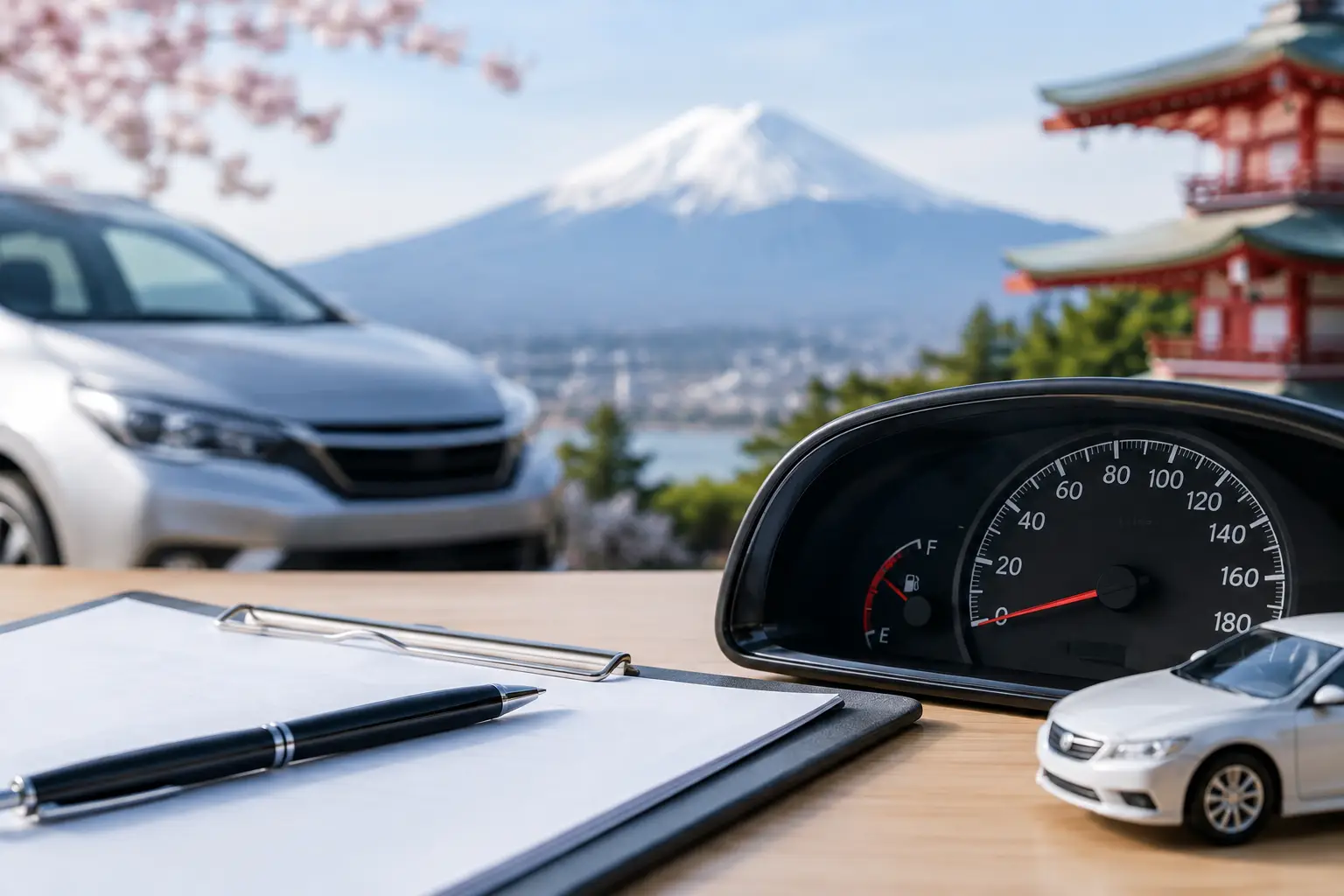
A low-mileage Japanese vehicle can look like an excellent buy until the odometer becomes a question mark. For overseas buyers who cannot stand at the auction lane themselves, JEVIC odometer certification Japan provides independent evidence that helps turn a mileage claim into a documented part of the purchase decision. It is not a substitute for a proper inspection, but it is a valuable safeguard when the vehicle will be shipped halfway around the world.
For dealers, collectors, and first-time importers, the point is simple: mileage affects value, expected maintenance, resale confidence, and the credibility of the paperwork that follows the vehicle. A certificate gives you a clearer record to retain with your auction sheet, export documents, and service history.
What JEVIC odometer certification in Japan is
JEVIC is an independent vehicle inspection organization that operates in Japan and supports pre-shipment inspection services for vehicles being exported. Depending on the destination country, vehicle type, and inspection service requested, its work can include odometer verification and certification.
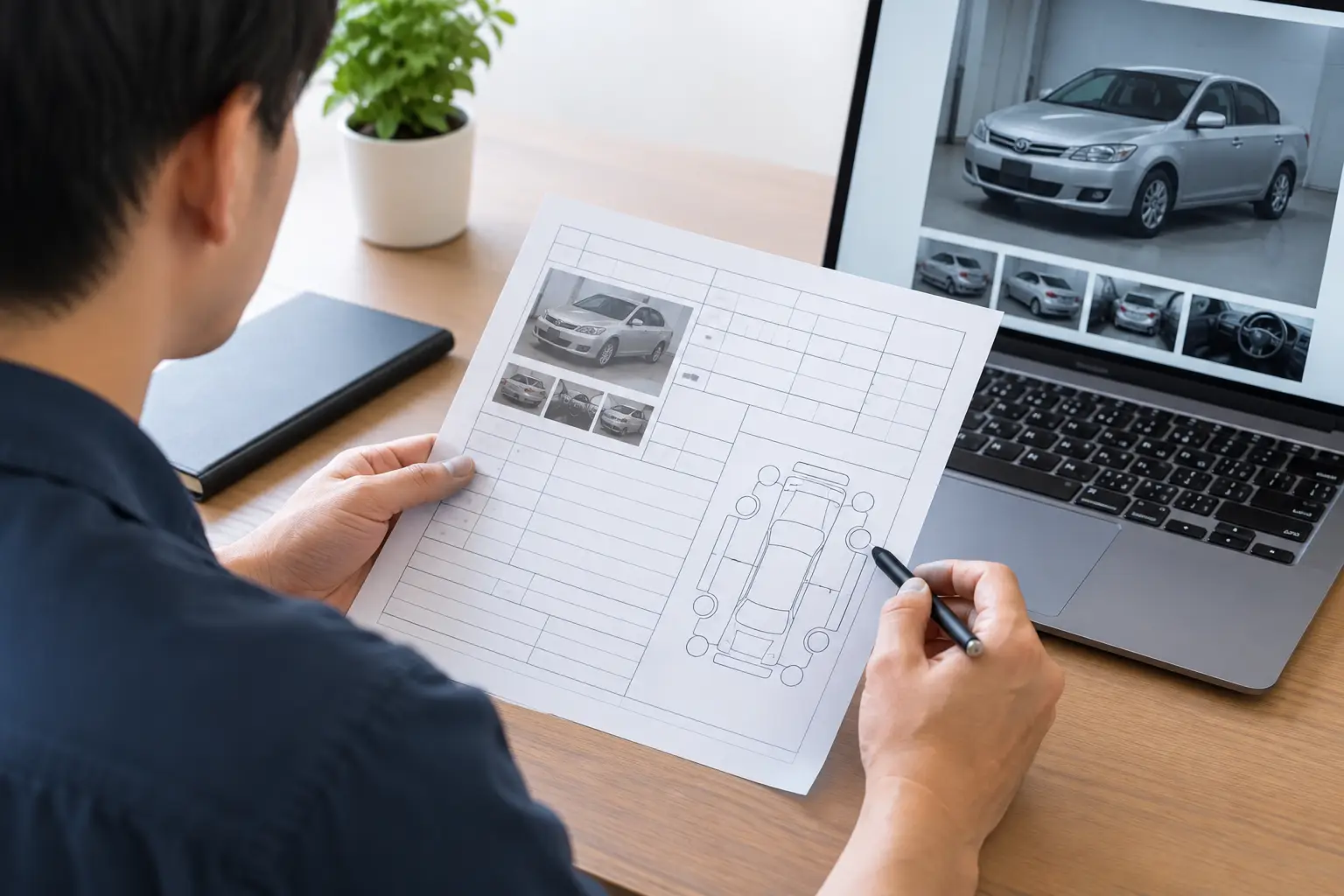
An odometer certificate is intended to document the mileage displayed on the vehicle and assess whether there is evidence that the reading has been altered or is inconsistent with available records. The process may involve checking the physical odometer, reviewing accessible historical information, and looking for irregularities that warrant attention. The exact scope can vary, so buyers should never assume every JEVIC document provides identical coverage.
That distinction matters. An odometer certification is not a promise that every mile in the vehicle's life is known, nor is it a mechanical warranty. It is a documented, independent verification step that strengthens the evidence around the mileage at the time of inspection.
Why certified mileage matters on a Japanese export
Japanese auction sheets often show an odometer reading, and auction houses have systems for flagging a reading that is unknown, replaced, or suspected to be inaccurate. Those records are useful, but they should be read in context. A vehicle can change hands through dealers, sit in storage, receive replacement instrument components, or have limited records available from earlier in its life.
A JEVIC certificate adds another layer of due diligence. That can be particularly useful when a vehicle is being sold later in the United States, Australia, Canada, or the United Kingdom, where a future buyer may reasonably ask how mileage was verified before export.
For a collector-grade Skyline GT-R, Aristo, Land Cruiser, or modern performance vehicle, a mileage discrepancy can materially change the value. For a dealer purchasing stock, it can affect both profit margin and reputation. Even when the difference is small, undisclosed uncertainty creates unnecessary friction after delivery.
Certified mileage also helps separate a legitimate high-mileage vehicle from a supposedly low-mileage vehicle with weak documentation. High mileage is not automatically a bad purchase. A well-maintained 120,000-mile vehicle with consistent records can be a better decision than a 45,000-mile example with questions around the cluster, auction history, or prior condition reports.
What a JEVIC certificate can and cannot tell you
The best way to use JEVIC odometer certification Japan is to treat it as one part of the vehicle file, not the entire file. It can support confidence in a stated odometer reading and may identify a concern before a vehicle leaves Japan. That is meaningful protection for a remote buyer.
It does not confirm engine health, transmission condition, hidden corrosion, accident repair quality, or the future reliability of the vehicle. It also does not automatically prove that a vehicle qualifies for import into your country. Import eligibility depends on separate rules concerning age, emissions, safety standards, modifications, recalls, and local registration requirements.
In the United States, for example, a vehicle generally needs to meet the 25-year federal exemption before it can be imported without having to comply with modern Federal Motor Vehicle Safety Standards. A mileage certificate does not change that rule. In Australia and other markets with pre-shipment requirements, the required inspection pathway and documentation can depend on the import approval, vehicle category, and current government rules.
The practical lesson is to ask what the certificate covers, which vehicle identification details appear on it, and whether your destination country requires any other inspection or document. Good sourcing is about connecting those details before a bid is placed, not after the ship has departed.
Mileage verification should match the vehicle identity
Always compare the chassis number or VIN, make, model, and odometer reading on the certificate against the auction sheet, export certificate, bill of lading, and purchase invoice. A document is only helpful if it clearly belongs to the vehicle you bought.
Japanese Domestic Market vehicles often use a chassis number rather than a 17-digit VIN. That is normal, but it makes accuracy especially important when documents are translated and prepared for customs or registration. One transposed character can create delays that are far more expensive than the time it takes to check the file carefully.
When to request certification and inspection
The strongest point to arrange verification is before export, after the vehicle has been secured and while it is still accessible in Japan. If a concern is found at that stage, there may be an opportunity to clarify the auction information, review the condition again, or make a different decision before shipping costs and import procedures begin.
For auction purchases, the process should start even earlier with an independent pre-purchase inspection. Auction grades are a starting point, not a complete mechanical report. A hands-on inspector can review the condition, note visible repairs, assess interior wear against the stated mileage, and look for concerns that may not be obvious in a translated auction sheet.
At Direct Imported Japan, we approach these checks as a buyer's representative, not as a listing platform. We physically inspect vehicles, translate the relevant information, and explain what the documents do and do not prove. If mileage evidence is unclear, that should be said plainly before you commit funds.
Questions to ask before you buy
Before approving a vehicle for shipment, ask whether odometer verification is available or required for your destination. Confirm whether the service is an odometer certificate only or part of a broader pre-shipment inspection. Request copies of the final documents and check that the identifying information matches the purchased vehicle.
It is also worth asking whether the auction sheet flags a mileage issue, whether prior auction records are available, and whether there are signs of a replaced gauge cluster. A replacement cluster is not necessarily a reason to walk away, but it must be properly disclosed and reflected in the price.
For vehicles with a significant collector premium, request high-resolution photos of the cluster, interior wear points, service stickers, maintenance books, and underbody. These details do not replace certification, yet they help establish whether the overall story of the car makes sense. A genuine low-mileage vehicle should usually show consistency across its records and physical condition.
Documentation that protects the next sale
Importers sometimes focus only on getting the vehicle through the port. That is understandable, but the document package will matter again when you register, insure, appraise, finance, or resell the vehicle. Keep the JEVIC certificate with the auction sheet, purchase invoice, export certificate, shipping records, inspection photos, and any translated reports.
For a dealer, this file supports a more transparent sale to the next owner. For an enthusiast, it protects the history of a vehicle you may keep for years. Documentation rarely makes an average vehicle exceptional, but missing documentation can make an exceptional vehicle difficult to value.
A clear mileage record is one of the simplest ways to reduce avoidable doubt in an international vehicle purchase. Request the right inspection early, read the certificate alongside the rest of the vehicle history, and do not let a clean-looking odometer become the only evidence behind a major buying decision.