
How to Verify Japanese Odometer Records Safely
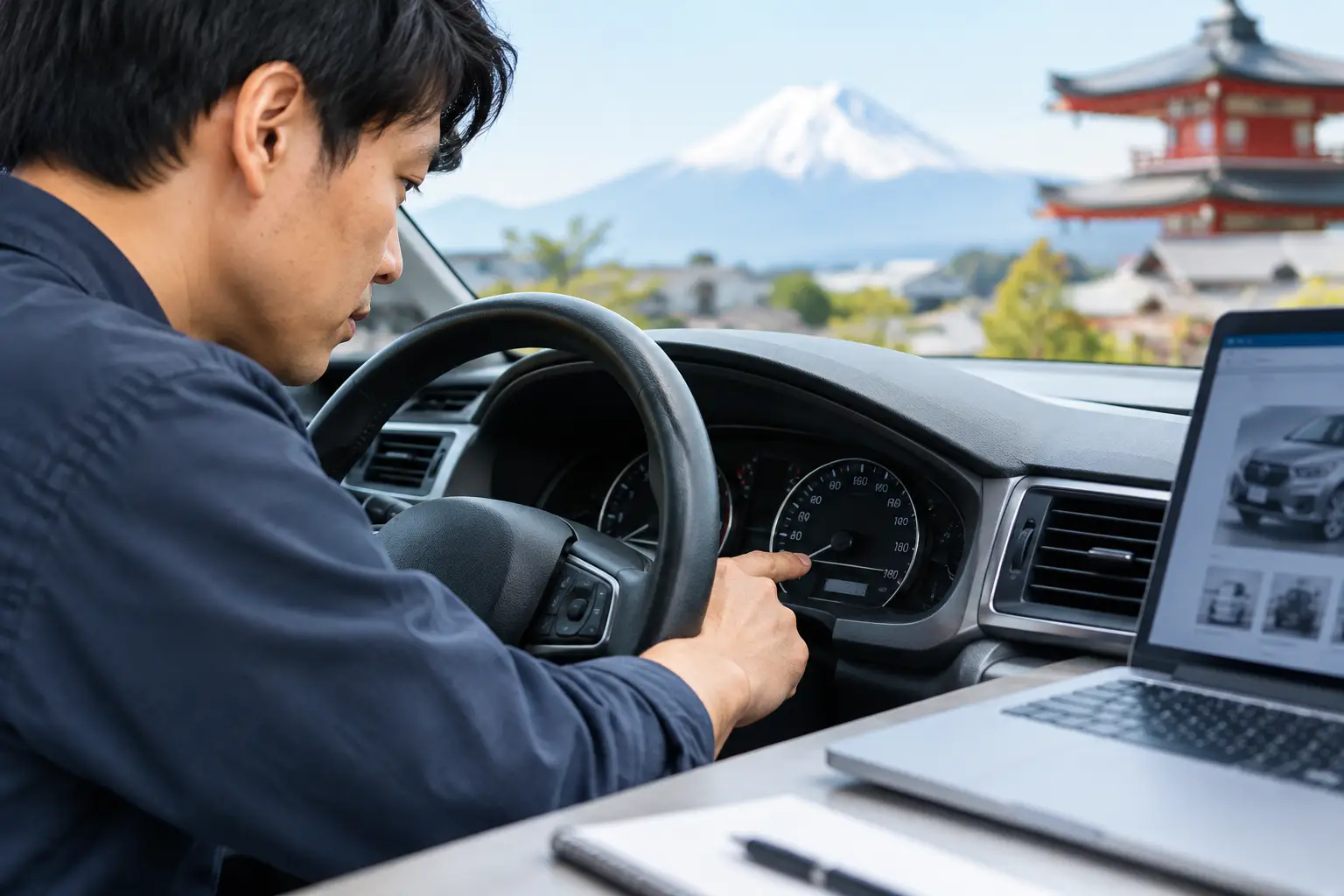
A clean, low-mileage reading can add serious value to a Japanese import. It can also be the easiest detail to misunderstand when buying from thousands of miles away. To verify Japanese odometer records properly, a buyer needs more than the number displayed in an online listing. You need a documented mileage trail, a readable auction sheet, and someone in Japan who can inspect the vehicle and question anything that does not line up.
For collectors shopping for a Skyline GT-R, Supra, Evo, or other specialty vehicle, mileage affects more than price. It influences originality, mechanical wear, future resale, and whether a vehicle is truly the example it appears to be. For dealers, one questionable odometer can damage a customer relationship and erase the margin on an entire deal.
Why Japanese Mileage Claims Need Context
Japan has a strong vehicle inspection culture, detailed auction systems, and many well-maintained vehicles. That does not mean every mileage claim is automatically reliable. Odometer discrepancies can occur in any market, and older performance cars deserve particular scrutiny. A vehicle may have changed hands many times, spent years off the road, had its instrument cluster replaced, or been offered through auctions with incomplete supporting history.
The auction grade alone is not proof of mileage. A high-grade vehicle may be clean and cosmetically impressive, but grade and odometer history are separate matters. Likewise, a low displayed mileage figure is not enough on its own. The question is whether the number is supported by records and consistent with the car's physical condition.
Japanese auction houses generally identify mileage concerns on the auction sheet. Their terminology varies, but a notation may indicate that the mileage is unconfirmed, that the odometer has been changed, or that the vehicle's history does not support the displayed reading. A buyer who cannot read Japanese, or who only sees a cropped translated listing, can easily miss this information.
The Records That Help Verify Japanese Odometer Records
No single document answers every mileage question. The strongest result comes from comparing several independent records against the vehicle itself.
Auction sheets and auction history
The original auction sheet is the starting point for many Japanese vehicles. It records the mileage displayed at the time of sale, inspector comments, auction grade, repair history observations, and visible condition notes. When available, prior auction sheets can show whether mileage increased logically over time.
A legitimate pattern is straightforward: the mileage rises steadily between dated auction appearances. A concern arises when a newer listing shows substantially fewer miles than an earlier record, or when the auction sheet marks the odometer as unverified. Even a small inconsistency deserves an explanation before a bid is placed.
Auction data is valuable, but it has limits. Some older vehicles have limited digital history, and not every car has appeared at a major auction multiple times. Treat the sheet as an important part of the evidence, not the whole case.
Maintenance records and inspection paperwork
Service booklets, dealer maintenance receipts, inspection records, and past registration-related documents can help establish a timeline. A dated service entry showing 62,000 kilometers should reasonably align with later mileage records. These documents are especially useful when a car has been maintained by a Japanese dealer or specialist workshop.
Paperwork can be lost, and handwritten records can be incomplete. That is common with vehicles that are 25 years old or older. Missing records do not automatically mean a car has been altered. They do mean the buyer should place more weight on an independent inspection, auction comments, and a conservative assessment of value.
Export and deregistration documents
Japanese export documentation can contain vehicle-identification details and, depending on the document and vehicle history, mileage information. These documents should be checked against the chassis number, model code, engine details where applicable, and auction paperwork. A mismatch in identity documents is a much larger warning sign than a simple missing service receipt.
Do not assume an export certificate alone certifies the full odometer history. Its role is to support the vehicle's identity and documented export trail. It becomes more meaningful when it agrees with auction records and inspection findings.
JEVIC odometer certification
JEVIC inspection and odometer certification can provide an additional independent check for vehicles being exported to markets where JEVIC services are required or requested. The inspection process can identify whether the current reading is supported by available records and whether there are signs of inconsistency.
A JEVIC certificate is useful because it adds a recognized third-party layer to the file. It is not a time machine. It cannot recreate records that were never kept, and it does not replace a careful physical assessment. Still, for a buyer managing risk from overseas, it can be a meaningful part of a documented purchase decision.
How to Verify Japanese Odometer Records Before You Bid
The right time to investigate mileage is before the auction closes, not after the vehicle is paid for and loaded for export. A practical process looks like this:
- Request the complete, original auction sheet and a clear translation of all handwritten inspector comments. Do not rely on a listing headline or an abbreviated grade description.
- Confirm the chassis number on the auction sheet, export documentation, and vehicle itself. Mileage evidence is only useful if it unquestionably belongs to the same car.
- Check available auction history for earlier appearances. Compare dates, recorded mileage, notes about meter replacement, and any statement that the mileage is unverified.
- Have the vehicle physically inspected when the purchase value justifies it. Interior wear, pedal condition, steering wheel wear, seat bolsters, switchgear, undercarriage condition, and engine-bay details should make sense for the claimed mileage and age.
- Obtain JEVIC odometer certification where it is available, required by the destination market, or appropriate for the vehicle and transaction. Keep the certificate with the auction sheet, export documents, and inspection report for your records.
This is where boots-on-the-ground representation matters. A remote buyer can see photos, but photos rarely answer whether a worn driver's seat is normal age-related wear or inconsistent with a claimed 18,000 kilometers. An experienced inspector can compare the paperwork to the car in front of them and give a direct recommendation: bid, bid only at a reduced value, or walk away.
Red Flags That Deserve a Closer Look
A mileage issue is not always fraud. Instrument clusters fail, replacement parts are installed, and documentation can disappear over decades. The concern is how openly the issue is disclosed and whether the explanation is supported by records.
Be cautious when the auction sheet identifies unverified mileage, when the cluster has been replaced without a documented prior reading, or when earlier auction records show a higher number than the current display. Excessive wear on the driver's seat, pedals, shifter, steering wheel, and door switches can also conflict with an unusually low mileage claim. None of those items proves alteration by itself, especially on older JDM cars with harsh sun exposure or enthusiast use. Together, they build a clearer picture.
Another warning sign is a seller who will provide only a polished translation or a few selective photos. Clear documentation should not be difficult to share. If the record trail is thin, price the vehicle as a thin-history vehicle rather than paying a premium for a number that cannot be substantiated.
Odometer Verification Is Not a Mechanical Guarantee
Verified mileage is valuable, but it is not the same as verified condition. A 35,000-kilometer performance car can still need tires, fluids, belts, hoses, brakes, seals, or fuel-system work after years of limited use. A 120,000-kilometer vehicle with full maintenance history may be the better purchase.
That distinction matters when comparing auction listings. Buy the vehicle's overall evidence: its condition, maintenance history, corrosion exposure, modifications, auction comments, and mileage documentation. Avoid treating one attractive number on the dash as the whole story.
At Direct Imported Japan, we approach odometer review as part of the complete pre-purchase inspection process, not as a box to check after the decision is made. The best import purchases are built on records that match the car, an honest assessment of what remains unknown, and a bid price that reflects both.
If a vehicle's mileage cannot be fully supported, it may still be worth buying. Just make that decision with clear eyes, documented facts, and a price that leaves no room for wishful thinking.