Australian Imported Vehicle Biosecurity Checklist
A car can be legally eligible for Australia, correctly documented, and still be stopped at the port because of a few grams of soil behind a wheel arch. That is why an Australian imported vehicle biosecurity checklist should be part of the purchase plan from the first auction bid, not something considered after the ship has sailed. Biosecurity clearance is separate from vehicle eligibility, customs entry, and registration. Treat it as its own operational requirement.
For vehicles shipped from Japan, the standard is simple: the vehicle must arrive clean enough that it does not introduce soil, plant matter, insects, animal material, or other contamination into Australia. Achieving that standard consistently requires more than a quick exterior wash.
Why biosecurity preparation matters
Australia has strict biosecurity controls because contamination can carry pests, seeds, disease organisms, and soil-borne risks. Imported vehicles are inspected under biosecurity conditions that can vary according to the vehicle's condition, origin, shipping method, and current risk settings. A clean auction vehicle is not automatically a biosecurity-clean export vehicle.
The costly part is not usually the inspection itself. The trouble starts when contamination is found after arrival. The vehicle may require treatment, cleaning, re-inspection, movement under direction, or extended storage at the port. Those costs can grow quickly, especially for dealers managing multiple units or buyers working around a transport booking.
A good exporter manages the risk before loading. At Direct Imported Japan, that means looking beyond auction photos and treating dirt, leaves, and underbody buildup as shipping issues, not cosmetic details to ignore.
Australian imported vehicle biosecurity checklist before shipment
Use this checklist as a working instruction for the exporter, cleaner, and shipping coordinator. It is particularly relevant to used JDM vehicles, off-road vehicles, vans, and cars that have spent time in rural or snowy regions of Japan.
1. Start with the vehicle’s real condition
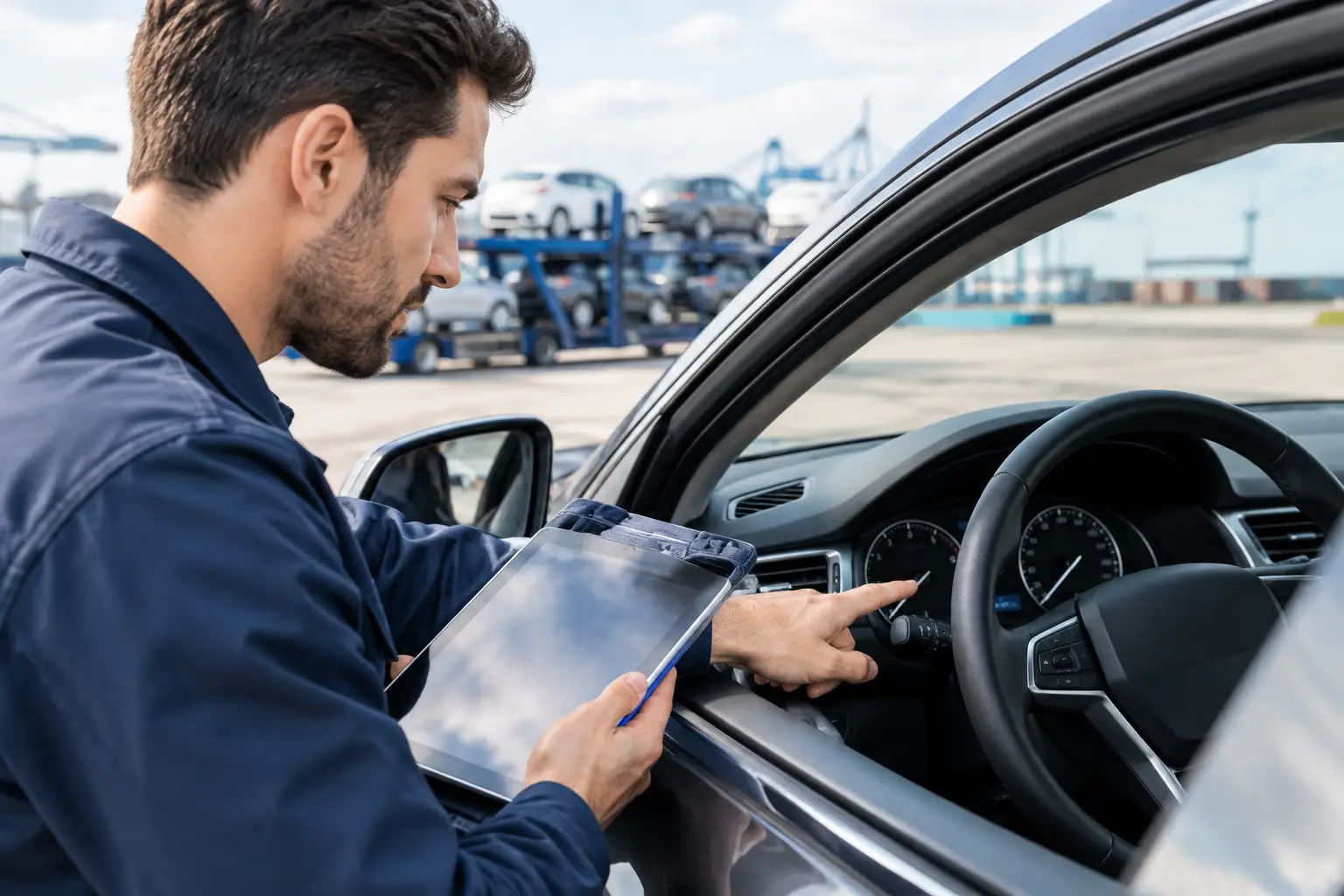
Auction grades describe overall condition, but they do not replace a biosecurity inspection. A grade 4 performance car can still have compacted mud inside its guards. A lower-grade four-wheel drive may have years of debris in its chassis rails, spare-wheel carrier, or suspension mounts.
Ask for an underbody assessment before purchase when the vehicle’s prior use suggests higher risk. Pay special attention to vehicles with aftermarket mud flaps, lifted suspensions, off-road accessories, wheel spacers, undertrays, and engine-bay dress panels. These parts create places where contamination can remain hidden.
Winter-driven vehicles deserve added scrutiny. Road grime, salt residue, leaves, and damp material can collect under plastic covers and in cavities. Rust is a separate mechanical and value concern, but corroded areas can also trap dirt that is difficult to remove.
2. Remove all personal effects and loose material
Nothing loose should remain in the cabin, trunk, glove box, door pockets, center console, or under the seats. This includes paperwork not needed for export, food wrappers, drink containers, tools, spare parts, floor mats with dirt on them, and cleaning rags.
Check the cargo area thoroughly. Vans and wagons often have debris beneath flooring panels, around seat rails, and in storage compartments. Vehicles used for camping, motorsport, landscaping, or pet transport need a more careful clean because organic material may be present where a normal visual check will miss it.
Do not send garden equipment, used tires, child seats, clothing, or boxes inside the vehicle unless they have been specifically assessed and approved for shipment. A vehicle is not a container for unrelated goods, and mixed cargo can complicate clearance.
3. Clean the exterior and underbody properly
The exterior should be washed, but the meaningful work is underneath. The cleaner needs to remove visible soil, mud, grass, leaves, seeds, moss, insects, and animal residue from the wheel arches, wheels, tires, suspension, steering components, chassis, crossmembers, splash guards, brake backing plates, and exhaust heat shields.
The following areas are frequent problem spots and should be checked after cleaning:
- Wheel wells and the top edges of inner guards
- Spare-wheel wells, spare tires, and underbody carriers
- Engine bays, radiator supports, and cowl drains
- Chassis rails, crossmembers, skid plates, and undertrays
- Roof gutters, sunroof drains, wiper trays, and hood hinges
- Trunk seals, door jambs, and lower bumper cavities
The goal is not to make every 20-year-old component look new. It is to remove contamination that could trigger biosecurity action. High-pressure washing may be necessary, but it must be used sensibly around aging wiring, connectors, decals, exposed intakes, and fragile trim. A cheaper wash that damages the vehicle or leaves mud in concealed areas is false economy.
4. Inspect the cabin, filtration points, and engine bay
A clean-looking interior can still contain seeds and organic debris under the carpet edges or rear seat base. Vacuum the cabin, trunk, seat tracks, and cargo-area recesses. Remove leaves from the HVAC intake area at the base of the windshield. If the cabin filter housing is accessible and heavily contaminated, have it checked and cleaned.
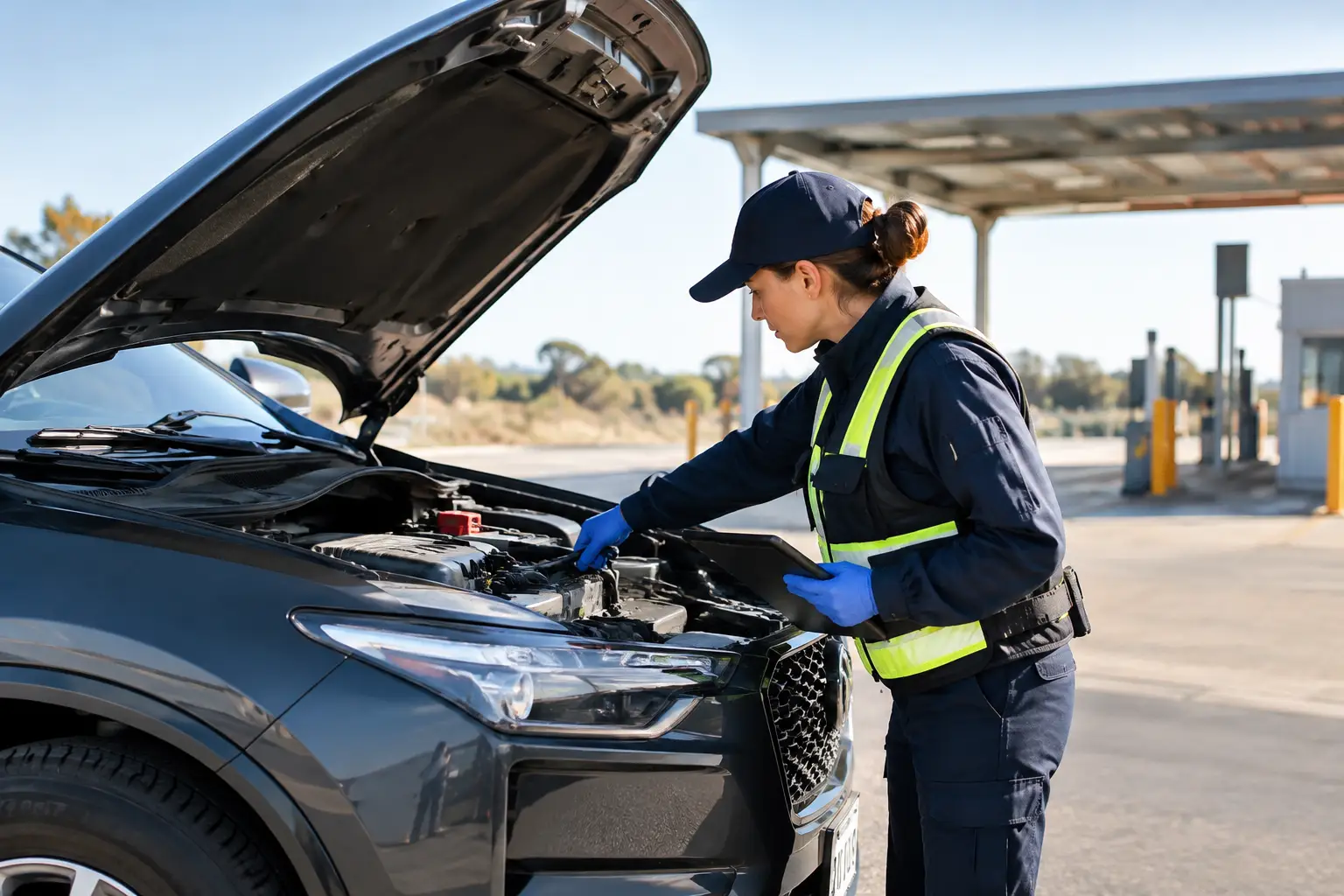
In the engine bay, inspect battery trays, fuse-box surrounds, strut towers, hood insulation, and the area behind the headlights. Rodent nesting material, leaves, and insect debris are not just unpleasant. They create a clear biosecurity concern and can also point to wiring damage.
5. Document the work before the vehicle is loaded
Photographs are valuable. Take clear images of the underbody, wheel arches, engine bay, cabin, trunk, and exterior after cleaning. They do not guarantee release on arrival, because Australian officers make the final assessment, but they create a useful record of the vehicle’s condition before export.
Keep the cleaning invoice or service record with the shipment file. For dealers, a consistent file process helps identify patterns across suppliers, cleaning vendors, and shipping lanes. For private buyers, it gives your customs broker and importer a better picture of what has already been done if questions arise.
6. Confirm shipping and port arrangements early
Biosecurity outcomes can affect timing, so do not schedule onward transport too tightly. Allow a realistic buffer between vessel arrival, biosecurity processing, customs clearance, and collection or delivery. A vehicle may be ready from a customs perspective but unavailable until biosecurity requirements are completed.
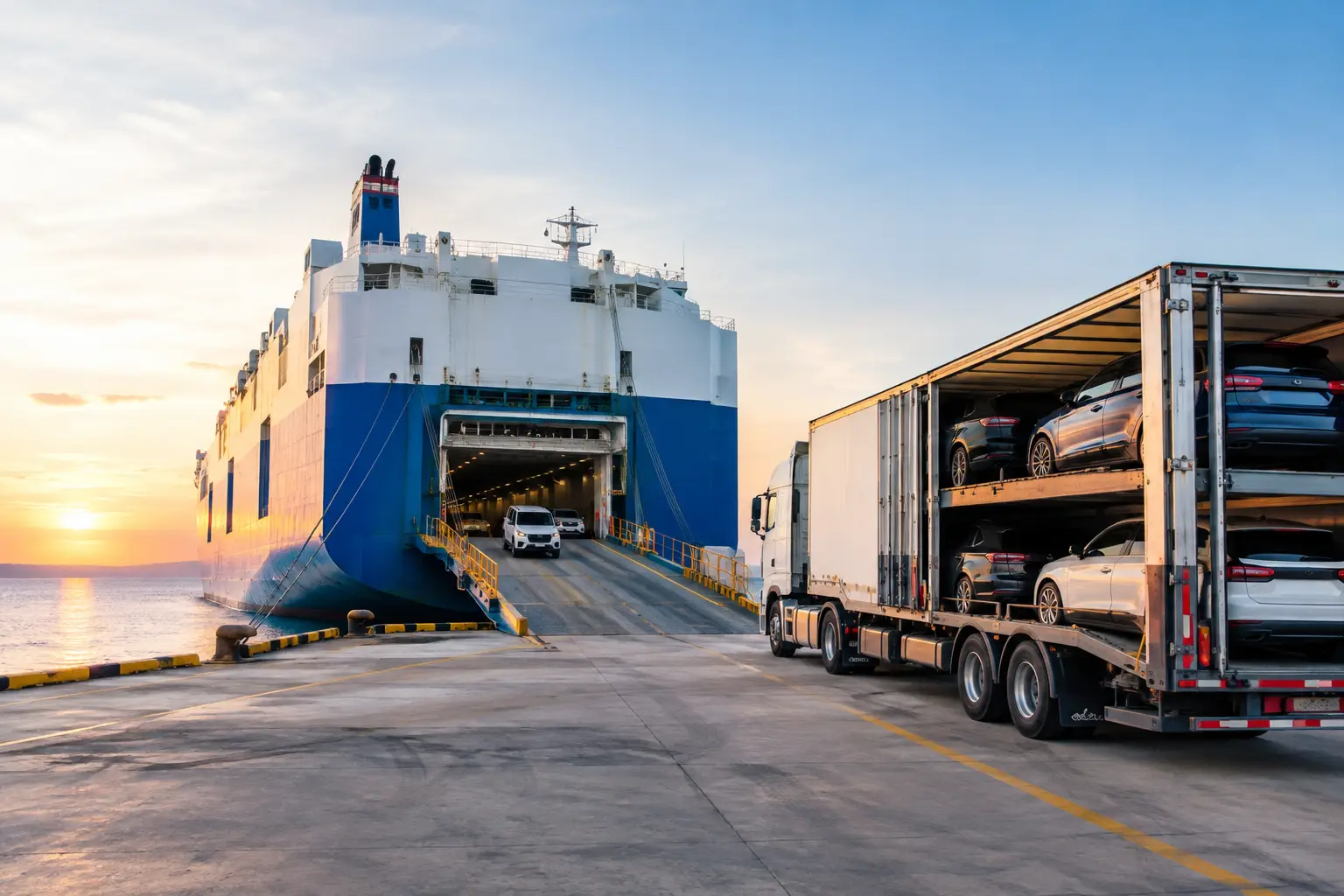
Shipping method also matters. Containerized vehicles are protected from weather and outside debris during transit, while roll-on/roll-off shipping may be more economical for some vehicles. Neither method removes the obligation to present a clean vehicle. The better choice depends on the car, budget, departure schedule, destination port, and your overall risk tolerance.
Avoid assumptions about inspections and treatment
The Australian Department of Agriculture, Fisheries and Forestry sets the biosecurity conditions and may update inspection or treatment requirements in response to changing risks. Seasonal measures can also apply to particular cargo types and origin countries, including heightened controls for brown marmorated stink bug when applicable.
Do not assume that a previous import cleared without issue, or that a vehicle from the same Japanese auction yard will receive identical treatment. Condition matters. Timing matters. Current requirements matter. Confirm the applicable import conditions with your Australian customs and biosecurity service providers before the vehicle departs Japan.
This is also where pre-shipment communication pays off. If the car has obvious off-road use, severe underbody buildup, a pest-history concern, or unusual cargo arrangements, address it before loading. A candid conversation before export is far easier than solving a preventable hold after arrival.
Keep biosecurity separate from the rest of compliance
Biosecurity clearance is one part of the import process, not proof that the vehicle can be registered in Australia. You will still need to manage vehicle import approval requirements, customs duty and tax considerations, identity and compliance documentation, state or territory registration rules, and any applicable inspections.
For a collector car, these steps may have different timelines and responsible parties. For a dealership shipment, they may involve a customs broker, compliance workshop, transport provider, and internal inventory team. Build the file early and assign responsibility clearly rather than assuming one approval covers everything.
The practical standard is straightforward: buy with eyes open, inspect the car in Japan, clean it thoroughly, document the work, and leave room in the arrival schedule for normal border processing. A properly prepared vehicle gives Australian inspectors less to question and gives you a far better chance of moving from port to driveway without an avoidable delay.