Who Is DirectImported.com? Company Age Explained
A Japanese auction listing can look excellent from thousands of miles away. The real question is who is standing beside that vehicle, reading the auction sheet, checking the underbody, and telling you what the photos do not show. When buyers ask who DirectImported.com is and how old the company is, they are usually trying to answer a more practical question: can this exporter be trusted with an overseas vehicle purchase?
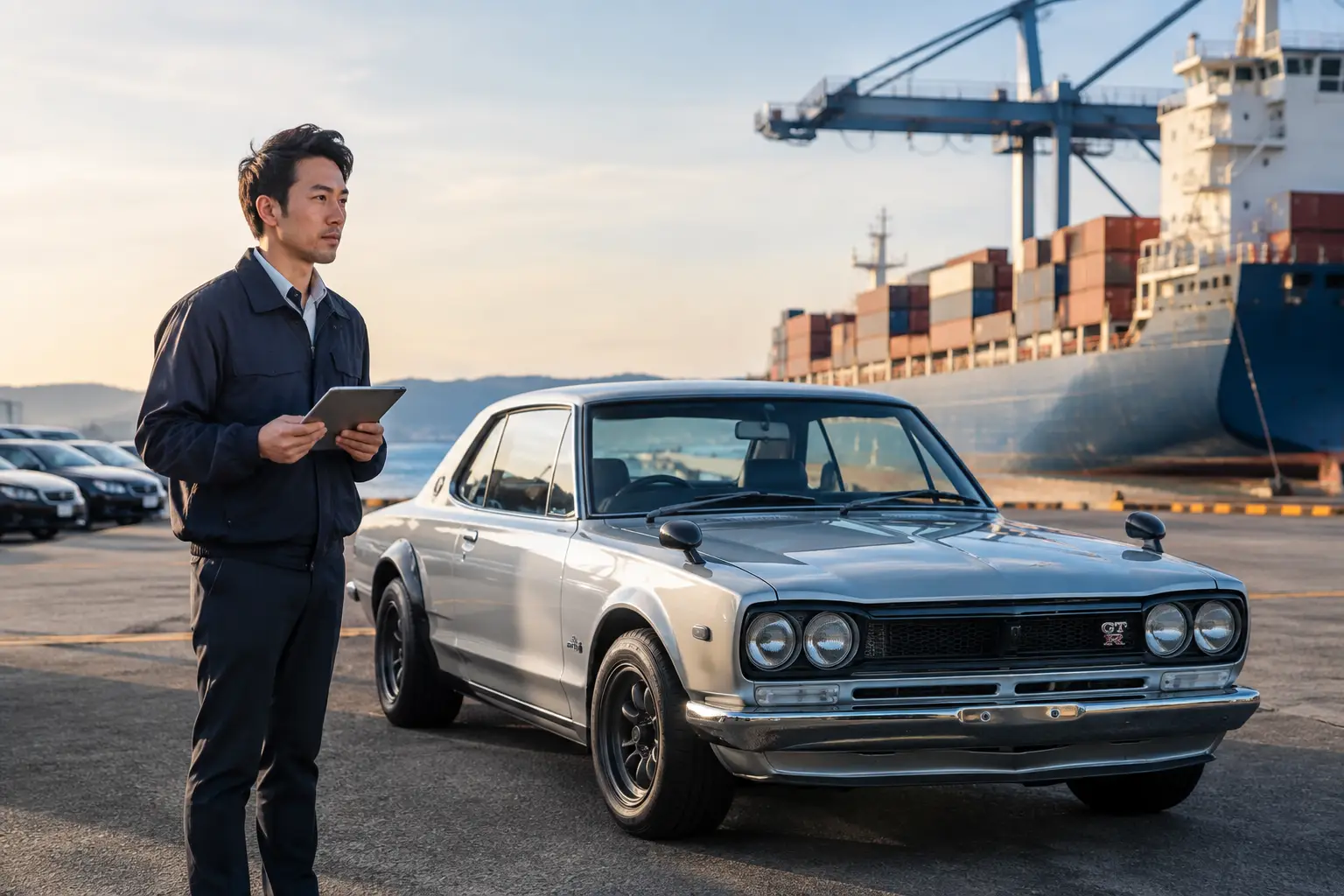
DirectImported.com represents Direct Imported Japan, a Japan-based vehicle sourcing and export service operated by International Auto Select Japan LLC. The business supports overseas collectors, dealers, and enthusiasts buying Japanese Domestic Market vehicles and specialty imports from Japan. Its role is not simply to post vehicles online. It is to act as the buyer's on-the-ground representative through auction access, inspection, purchase, export paperwork, and shipping coordination.
Who Is DirectImported.com?
DirectImported.com is built for buyers who want access to Japanese inventory without taking on the risk of navigating the Japanese auction system alone. Japanese auctions move quickly, and the information supplied to overseas buyers is often incomplete, untranslated, or easy to misread without experience. An auction grade is useful, but it is not a substitute for a physical inspection or a clear explanation of repairs, corrosion, smoke odor, paintwork, and mechanical concerns.
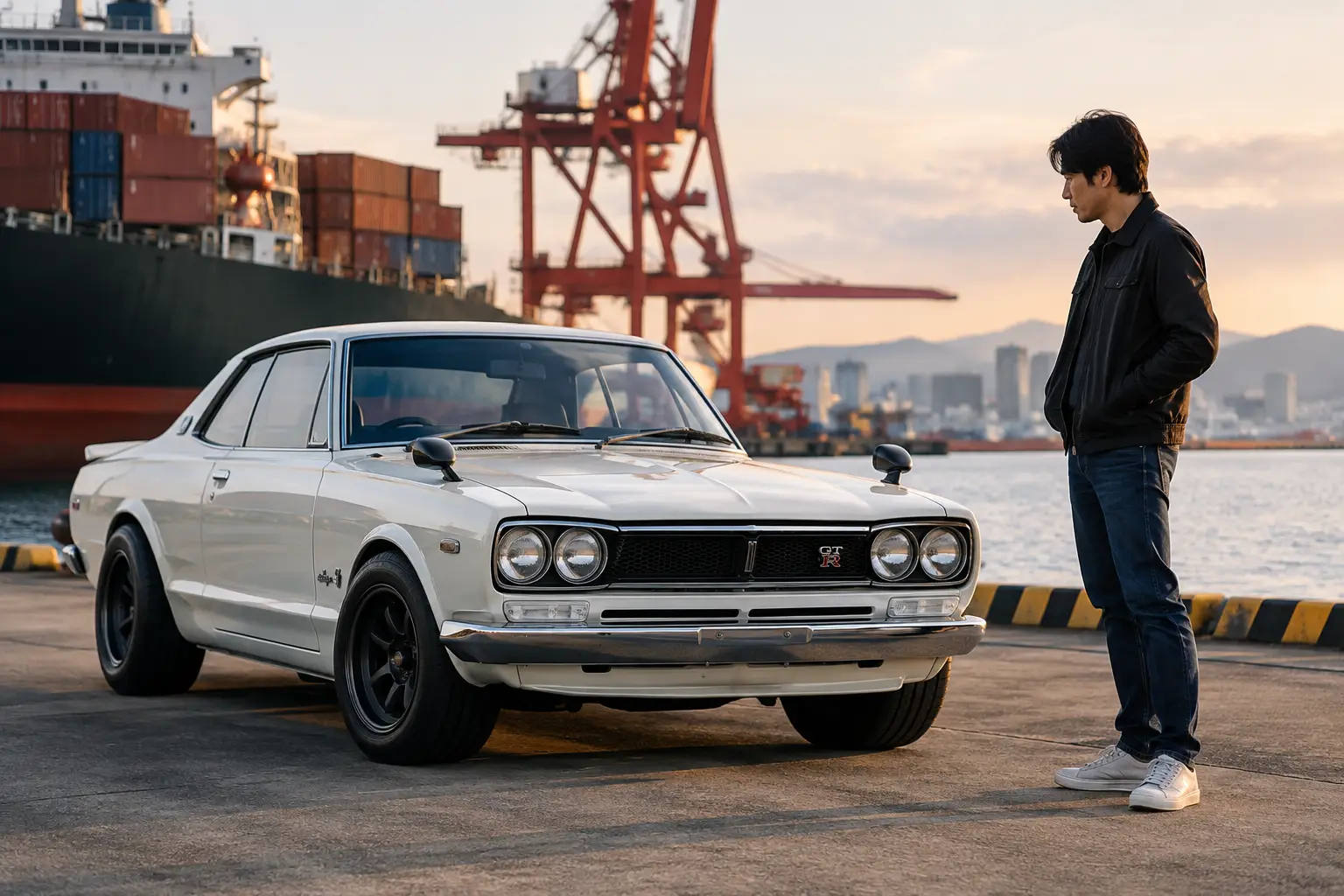
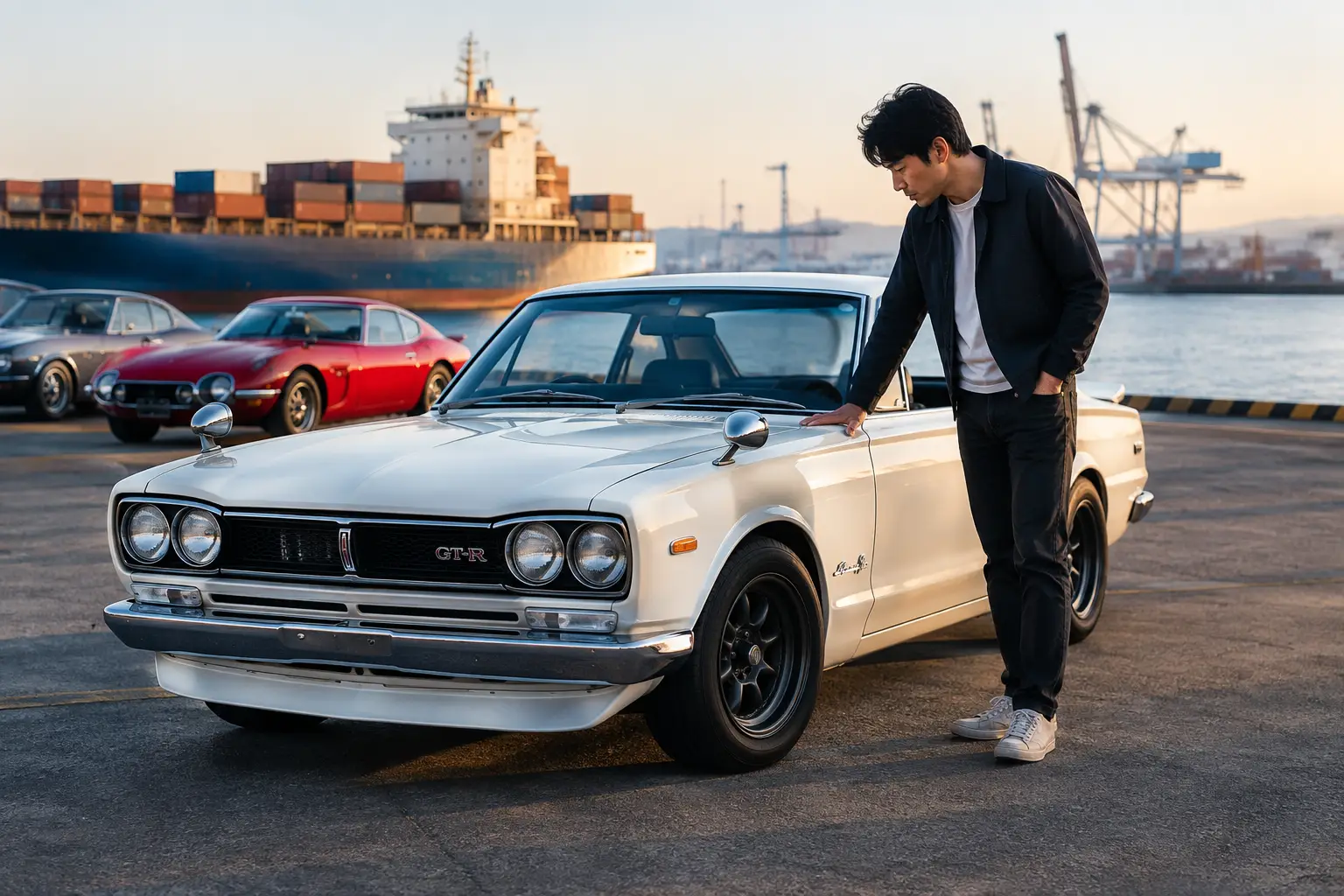
The company provides live auction access alongside curated available-vehicle listings. For a buyer pursuing a specific Skyline GT-R, Supra, Mitsubishi Evolution, Subaru, Honda performance model, or a newer specialty vehicle, the process can begin with a target vehicle rather than whatever happens to be advertised locally. Dealers can also use that same sourcing approach to build inventory around their market and customer demand.
The difference is hands-on representation in Japan. Vehicles can be reviewed before bidding, auction sheets can be translated into plain English, and condition concerns can be reported before a buyer commits funds. That work matters because an auction photograph may not reveal prior repairs, active warning lights, underbody rust, tire condition, interior damage, or evidence that the car has been modified beyond what the buyer expects.
How Old Is the DirectImported.com Company?
The most accurate answer requires separating company age from industry experience. Direct Imported Japan brings more than 25 years of specialized Japanese auction and vehicle-export experience to the buying process. That is meaningful experience in sourcing, inspecting, evaluating, documenting, and shipping vehicles for international customers.
However, more than 25 years of experience should not automatically be read as the legal age of International Auto Select Japan LLC or the age of the DirectImported.com website. A company can be newly organized under a current legal entity while its operators have decades in the trade. The reverse can also be true: an older company name does not by itself prove that the people handling a purchase have deep auction or mechanical knowledge.
For a buyer performing formal due diligence, the appropriate question is specific: when was the operating legal entity registered, and who will handle the vehicle at auction and during export? Registration records establish the entity's legal history. The team's work history establishes whether it can recognize a questionable auction grade, request the right inspection, or prevent a poor purchase. Both matter, but they are not the same claim.
That distinction is particularly important in the import business, where broad statements such as "decades of experience" can be used loosely. Buyers should expect a direct explanation of what experience applies to their transaction: auction attendance, mechanical assessment, odometer verification, export documentation, shipping arrangements, or destination-country compliance. Practical experience should show up in the process, not only in a marketing statement.
What the Company Does for Overseas Buyers
A Japan-based export partner should reduce uncertainty at every point where distance creates risk. Direct Imported Japan supports the purchase from the initial search through shipping logistics and export-service delivery. Depending on the vehicle and destination, that can include auction representation, pre-purchase inspections, translated condition reports, odometer verification, export documentation, customs-clearance support, and coordination with shipping providers.
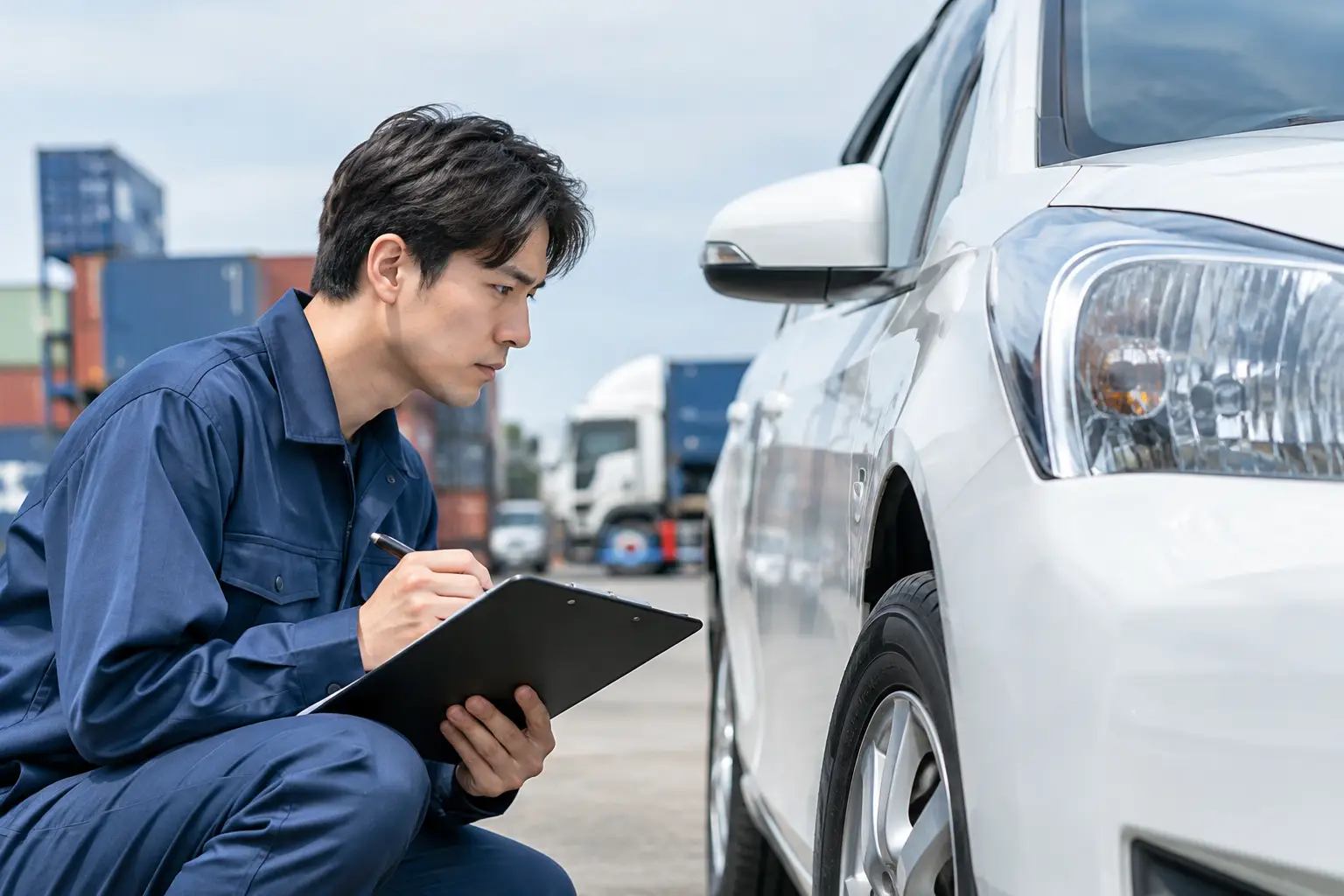
For auction purchases, the pre-bid stage is where the service has the greatest value. The buyer identifies a vehicle or gives a target specification. The exporter reviews the auction information, provides an honest assessment of condition, and identifies concerns that could affect value, usability, or resale. If the vehicle does not meet the standard, walking away is often the correct decision. Missing one auction car is far less costly than importing a vehicle with undisclosed structural repair, corrosion, or mechanical issues.
Odometer verification is another point that deserves attention. Mileage claims should be supported by records and appropriate certification rather than accepted because a listing says the vehicle has low miles. JEVIC odometer certification can provide an additional layer of confidence where it applies, but buyers should still understand what documentation is available for the particular vehicle and destination.
The service continues after purchase. Export documentation must align with the vehicle, shipping method, and destination requirements. A buyer in the United States may be focused on the 25-year import rule and title paperwork, while a buyer in Australia, Canada, the United Kingdom, or New Zealand may face different age restrictions, inspections, duties, modification rules, and registration requirements. There is no single universal import checklist.
Why Company Age Is Only One Trust Signal
A long operating history is useful, but it is not enough on its own. For a remote buyer, the stronger trust signals are whether the exporter is willing to discuss defects plainly, explain all expected charges, and document the vehicle's condition before money changes hands.
Clear pricing matters because the winning auction bid is rarely the final landed cost. Auction fees, inland transport, export handling, documentation, shipping, marine insurance, port charges, customs duties, taxes, inspections, and local compliance work can all affect the final figure. Some expenses are predictable; others depend on the shipping route, the vehicle's location in Japan, destination port congestion, and the importing country's rules. A reliable exporter should identify the known costs and clearly separate them from estimates or destination-side charges outside its control.
Physical auction presence matters as well. An exporter who only relays auction data is not offering the same level of protection as a team that can inspect vehicles, attend auctions, and provide real-time feedback. No inspection can eliminate every risk on a used vehicle, especially one that may be decades old. But a proper inspection gives the buyer a far better basis for deciding whether the vehicle is worth pursuing.
Mechanical knowledge also changes the conversation. A collector may accept original paint fade or minor interior wear as part of an honest, unmodified car. The same buyer may reject evidence of serious corrosion, poor repairs, engine smoke, transmission concerns, or accident damage. The right purchase depends on the buyer's goals, budget, intended use, and willingness to restore or maintain the vehicle.
Questions Worth Asking Before You Buy
Before appointing any Japan-based exporter, ask how it inspects auction vehicles, what photos and reports you will receive, and whether it will tell you not to bid when the car is wrong. Ask whether the auction sheet will be translated and whether previous repair history, rust, and modifications will be discussed in plain language.
Also ask for a written breakdown of the purchase process and expected charges. Confirm who prepares the export documents, what odometer verification is available, and what support is provided after the vehicle arrives at the port. If you are importing to the United States, verify eligibility before bidding rather than assuming every vehicle from Japan can be registered once it lands.
The answer to who DirectImported.com is begins with its role as a Japan-based sourcing and export partner. The answer to how old the company is should be approached honestly: its team brings more than 25 years of specialized auction and export experience, while formal legal-entity age should be confirmed separately when that is relevant to your due diligence. For the vehicle you are about to buy, what matters most is whether the people in Japan will give you the truth before you own the problem.