What Buyers Need From Japan Car Auctions

A clean auction sheet can make a car look like an easy buy from thousands of miles away. Then the vehicle arrives and the buyer finds prior paintwork, worn tires, an odor in the cabin, or a condition issue that was never clear in translation. Japan car auctions provide access to an extraordinary range of vehicles, but they are not a shortcut around careful buying. They are a professional marketplace where the right representation matters.
For an overseas buyer, the goal is not simply to win a bid. It is to buy a vehicle whose condition, history, cost, and import eligibility are understood before money changes hands.
Why Japan Car Auctions Attract Serious Buyers
Japan has one of the world’s deepest used-vehicle markets. Major auction networks move a high volume of cars each week, from practical late-model vans and kei trucks to low-mileage luxury sedans, performance icons, and rare Japanese Domestic Market models. A buyer looking for a Skyline GT-R, Toyota Aristo, Mitsubishi Delica, Honda Civic Type R, or a clean commercial vehicle will often see more genuine choices in Japan than in their local market.
The auction system also creates useful structure. Vehicles are assigned a grade, an interior grade, mileage, equipment details, and a written condition report. Damage markings are generally shown on a vehicle diagram. This is far better information than a few flattering photos and a short seller description.
Still, an auction sheet is a starting point, not a guarantee. Grades are assigned by people, and standards can differ by auction house, inspector, vehicle age, and category. A 4-grade car is commonly considered good condition, but it is not automatically paint-perfect or mechanically flawless. A 3.5-grade vehicle can be an honest, worthwhile purchase when its faults are minor and appropriately priced. The right choice depends on the car, the buyer’s plans, and the actual evidence behind the grade.
Japan Car Auction Grades Need Context
Buyers often focus on the headline grade because it is easy to compare. That is understandable, but it can create expensive assumptions. The inspection notes, vehicle diagram, service history, auction photos, and a physical inspection tell the fuller story.
An auction report may identify repaired panels, corrosion, cigarette odor, dashboard cracking, seat wear, warning lights, oil seepage, or aftermarket modifications. Some notes are brief. Some are written in Japanese shorthand that requires accurate translation and experience to interpret. A car may also receive an R, RA, or similar repair-history designation, which usually means it has had structural or accident-related repairs. That does not automatically make it unsuitable, but it changes the valuation and requires closer examination.
Mileage deserves the same level of care. Japan’s auction systems often flag inconsistencies, but buyers should not treat an auction listing as the final word. Odometer verification and supporting history are particularly valuable for collector vehicles and resale inventory, where credibility follows the car long after it leaves Japan.
A knowledgeable representative should be willing to explain what is known, what remains uncertain, and whether the price reflects that risk. Honest advice sometimes means recommending that a buyer pass on a vehicle. Missing one auction is far less costly than owning a problem no one identified before export.
What a Physical Inspection Can Reveal
No online listing can replace someone standing next to the vehicle before bidding. Photos can hide paint texture, panel alignment, tire age, odors, underbody corrosion, fluid leaks, and the condition of areas that are difficult to photograph. A live inspection also allows a closer review of the auction sheet against the car itself.
For higher-value vehicles, modified performance cars, older imports, and dealer stock, an in-person inspection is especially valuable. These vehicles may have been tuned, raced, repainted, repaired, or stored for long periods. A clean exterior does not prove healthy mechanical condition, and an attractive odometer reading does not prove careful ownership.
A proper inspection should focus on the details that affect ownership and resale: body and chassis condition, signs of repair, interior wear, engine behavior, transmission operation where practical, suspension condition, tire condition, visible leaks, warning lights, modifications, and corrosion. It should also result in clear reporting. High-resolution images and plain English observations give the buyer a better basis for a decision than a generic statement that the car is “good.”
At International Auto Select Japan LLC, the approach is hands-on because remote buyers need more than access to a screen. Physical auction attendance, mechanical knowledge, translated reports, and candid communication help turn raw auction information into a buying decision a customer can stand behind.
Understand the Full Cost Before You Bid
The winning bid is only one part of the purchase. Buyers should establish a complete landed-cost estimate before setting a maximum bid. This protects both individual enthusiasts and dealers from a vehicle that looked affordable at auction but no longer works once every required expense is included.
The main cost categories usually include:
- The auction hammer price and applicable auction charges
- Exporter or agent fees for sourcing, inspection, documentation, and handling
- Inland transport in Japan, port processing, and ocean shipping
- Insurance, customs duty, taxes, compliance work, and destination charges
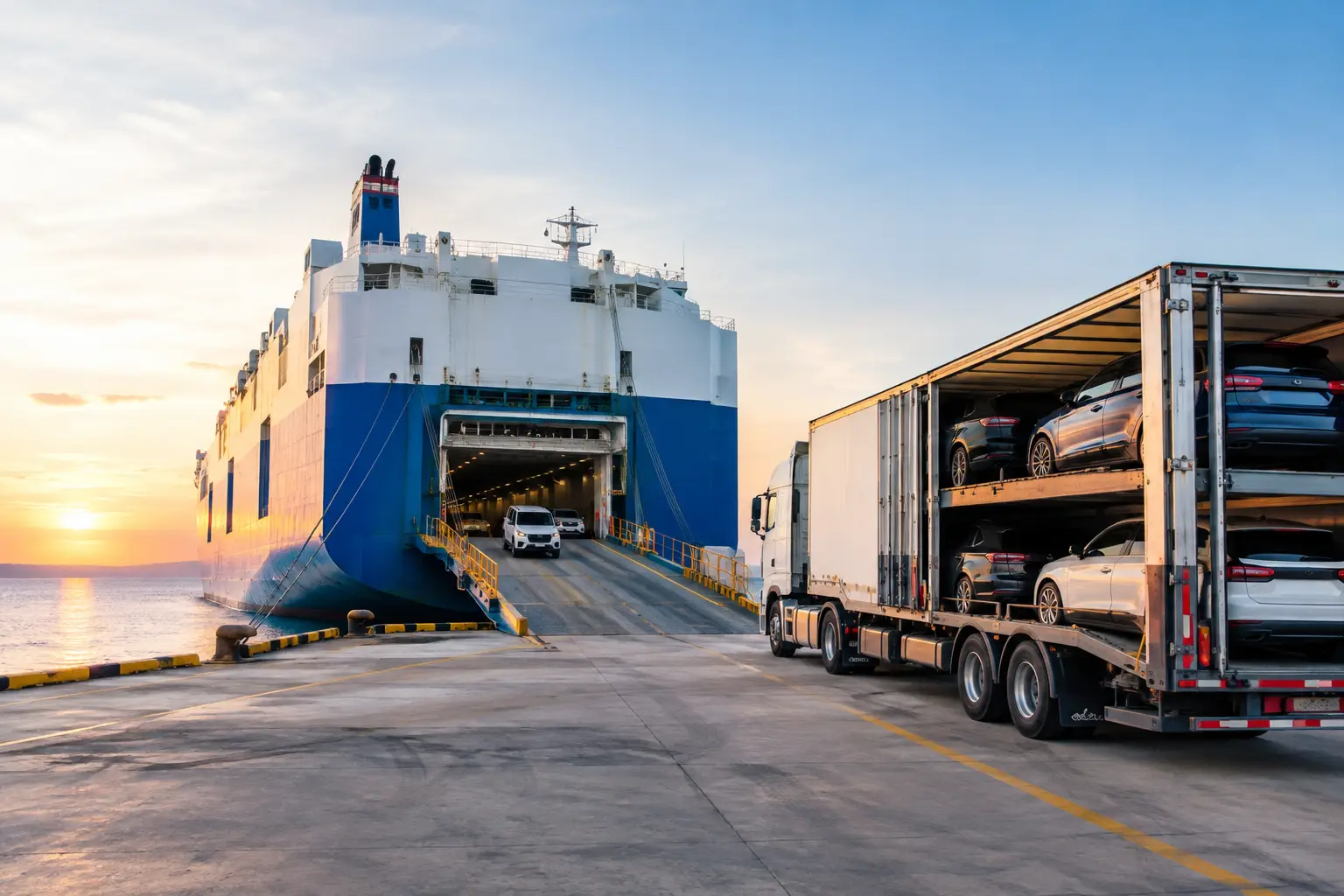
The final amount depends on the port, shipping method, vehicle size, exchange rate, destination rules, and whether the vehicle needs additional work before export. Roll-on/roll-off shipping can be cost-effective for running vehicles, while container shipping may suit higher-value cars, multiple vehicles, or buyers who want added protection. Neither is automatically better in every situation.
Clear pricing should separate the known charges from estimates that can change. Be cautious with a quote that is unusually low but does not explain auction fees, port costs, documentation, or destination handling. A transparent partner will show where the money goes and identify which costs are outside its control.
Import Eligibility Comes Before the Auction Search
A desirable vehicle is not necessarily importable to every country. For U.S. buyers, the federal 25-year rule is central to most JDM purchases. A vehicle generally becomes eligible based on its manufacture date, not simply its model year. A car advertised as a 2001 model, for example, may not be eligible until the exact month it reaches 25 years of age.
That detail matters. Shipping a vehicle before it qualifies can lead to delays, storage charges, or a far more serious customs problem. Emissions and safety requirements also differ for newer vehicles, and limited exemptions are not a substitute for a normal road-legal import path. State registration requirements may add another layer after the vehicle reaches the United States.
Australian, Canadian, and other international buyers face their own rules involving age, compliance, biosecurity, and registration. A sourcing plan should begin with the buyer’s destination, intended use, and eligibility date. The best auction vehicle is the one that can be legally imported, cleared, and registered without surprises.
Bidding Strategy Is More Than Picking a Maximum Price
Auction days move quickly, and emotional bidding is a real risk when a rare car appears. Set a maximum bid based on the complete landed cost, the vehicle’s verified condition, current market value, and a realistic allowance for maintenance after arrival. Older performance cars and specialty imports often need tires, fluids, brakes, batteries, seals, or other recommissioning work even when they present well at auction.
It also helps to have alternatives. Japan’s auction volume means another suitable vehicle may appear soon, particularly for common models and colors. Rare specifications can justify patience and a higher budget, but only when the condition and paperwork support the price. The buyer who knows when to stop bidding is usually better positioned than the buyer who wins every time.
The Right Export Partner Stays Accountable
Auction access is easy to advertise. The harder part is providing informed representation from inspection through delivery paperwork. An export partner should communicate before the bid, not only after it wins. They should explain auction findings in understandable terms, confirm the purchase details, coordinate shipping, prepare export documents, and help the buyer understand the next customs steps.
For dealers, this consistency supports repeatable inventory sourcing. For individual buyers, it reduces the uncertainty of purchasing a vehicle they cannot inspect themselves. In both cases, the relationship should feel practical and accountable. If there is a concern, the buyer needs a direct answer, not a vague explanation hidden behind an auction grade.
The strongest purchases from Japan are rarely the ones with the flashiest listing or the lowest hammer price. They are the ones backed by careful inspection, accurate records, realistic costs, and a team willing to tell you what they see before you commit.