Japanese Auction Cars to Brisbane, Sydney & Melbourne
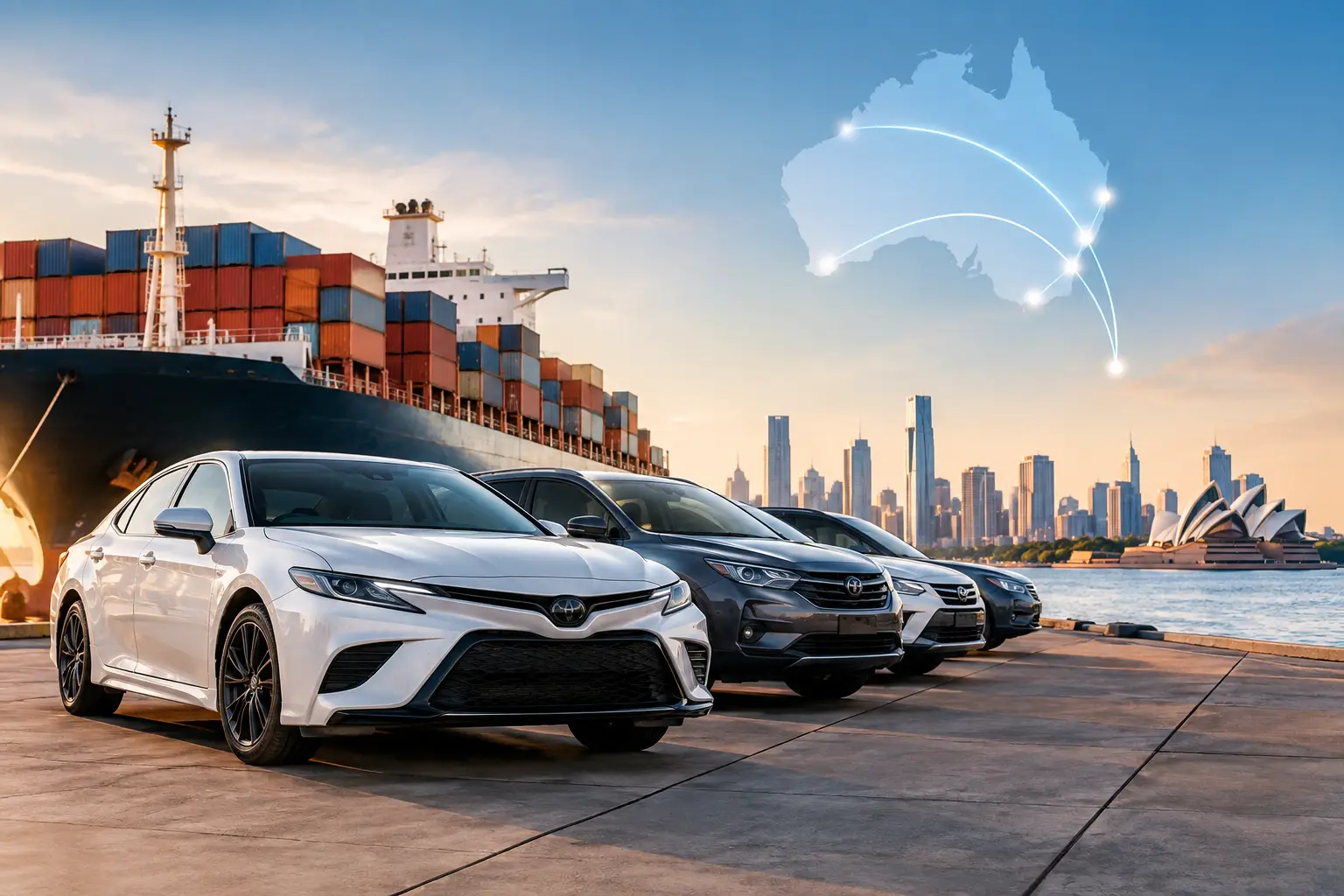
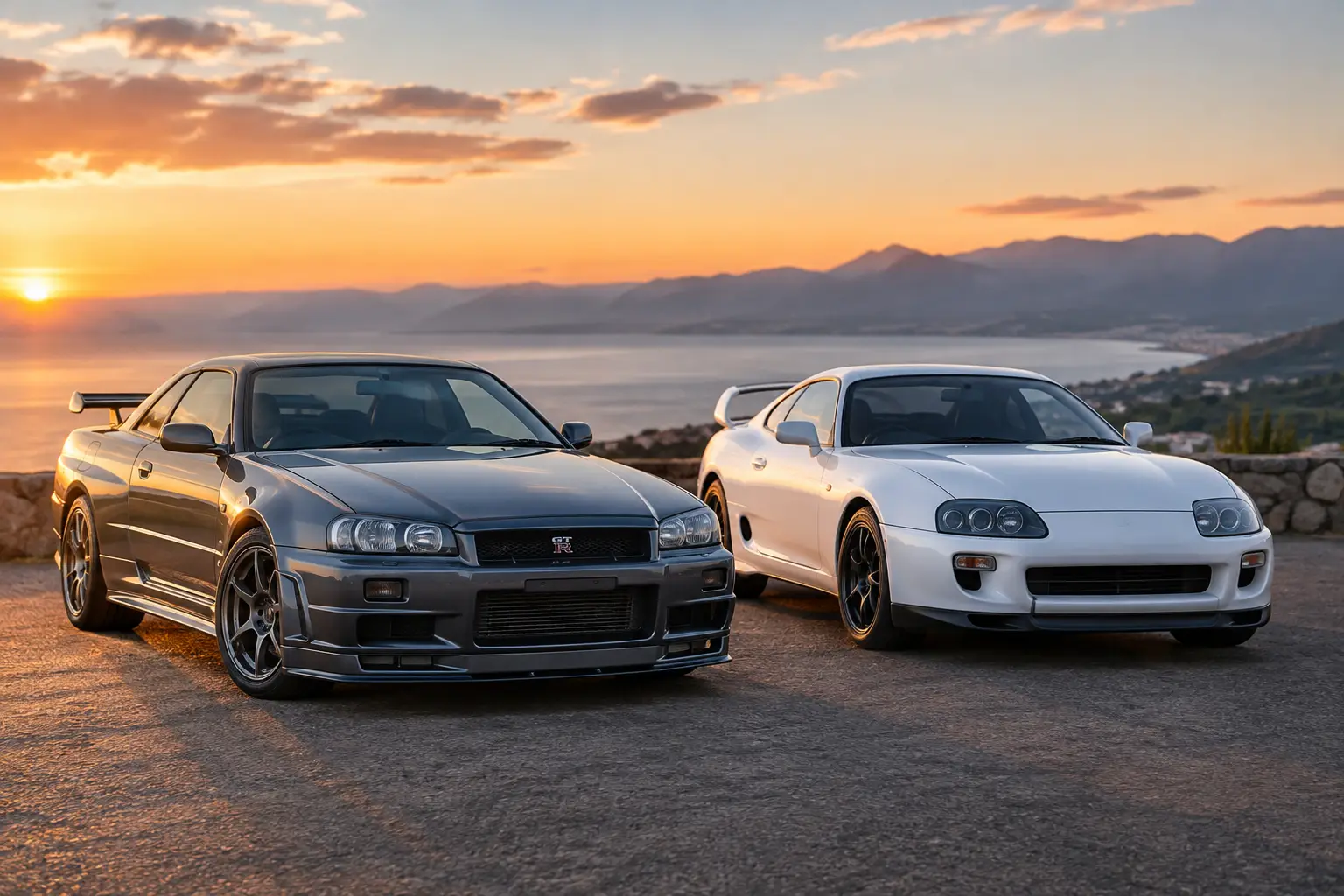
Buying a car from Japanese auctions and shipping to Brisbane, Sydney, or Melbourne can put you in front of vehicles that rarely appear in Australia with the same condition, specification, or documented history. It can also become expensive quickly when buyers treat the auction hammer price as the final price. The right purchase starts with the vehicle, but it succeeds or fails on inspection, import eligibility, documentation, and a realistic landed-cost calculation.
For Australian buyers, the process is not simply choosing a Skyline, Supra, Land Cruiser, kei truck, or late-model performance car and putting it on a vessel. The vehicle must be eligible for import, approved under the appropriate pathway, cleaned to biosecurity standards, and prepared for state registration after it arrives. A knowledgeable exporter should be candid at every stage, especially when an auction sheet reveals corrosion, repairs, warning lights, or a grade that does not match the photos.
Buying Cars From Japanese Auctions for Australia
Japanese dealer auctions are an outstanding source of inventory, but they are not retail showrooms. The auction sheet is a useful starting point, not a complete mechanical guarantee. It may identify exterior marks, interior wear, repair history, and the inspector’s comments, but it is written in Japanese and reflects a brief assessment made before sale.
That distinction matters. A grade 4 vehicle can still have repaint work, aging tires, smoke odor, underbody surface corrosion, or an issue that only appears when the engine is warm. A grade R or RA vehicle has repair history, but that does not automatically make it a poor buy. Some repaired vehicles are properly finished and priced accordingly; others deserve to be avoided. The value lies in knowing which is which before bidding.
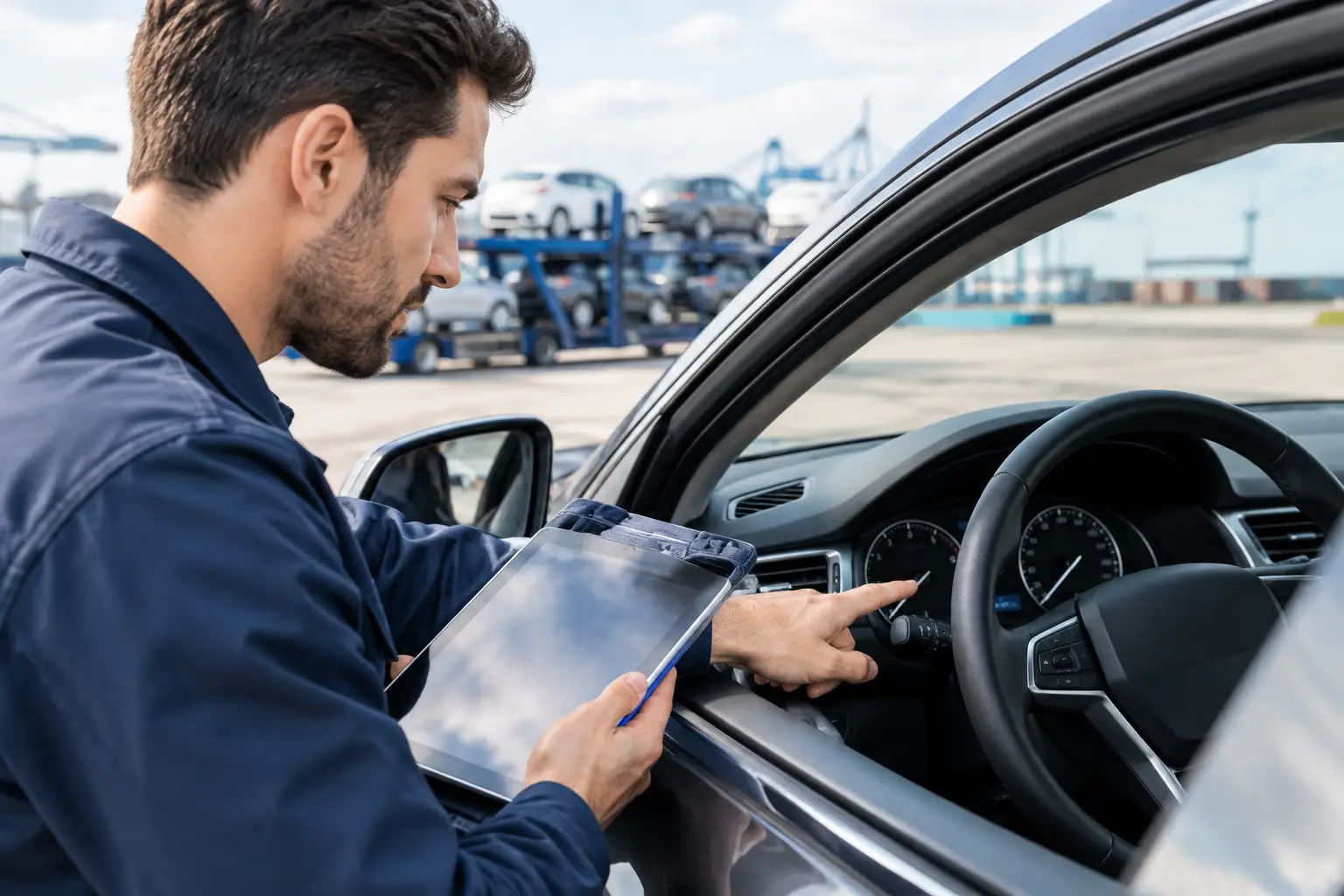
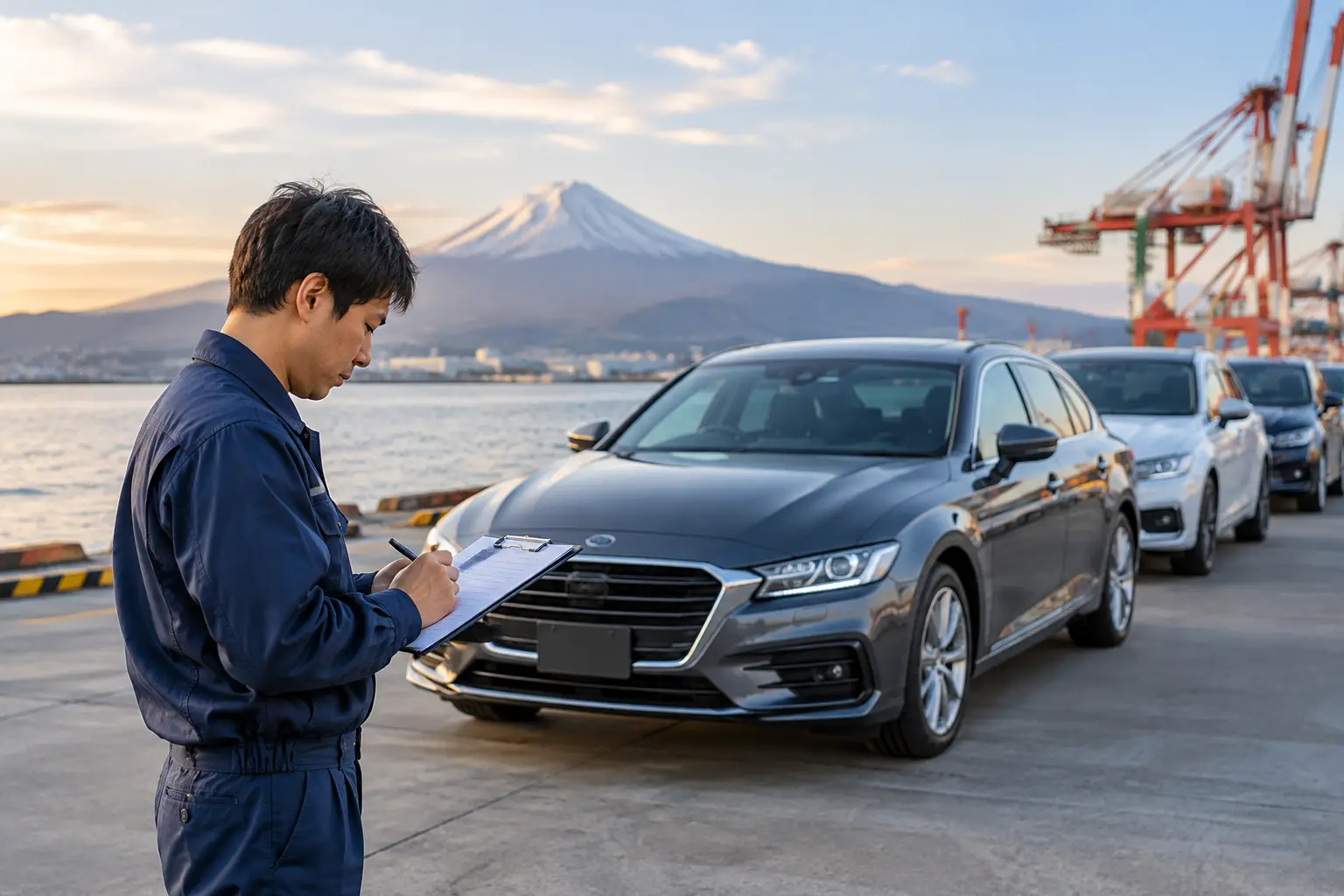
A proper buying process includes a translated auction sheet, high-resolution photos, odometer review, and a physical inspection where the auction location and timing allow. The inspection should focus on areas that photos routinely miss: panel alignment, paint inconsistencies, oil leaks, underbody rust, suspension noise, dashboard warning lights, tire age, cabin odor, and signs of water exposure. For higher-value vehicles, engine condition, transmission behavior, modifications, and originality deserve the same attention.
Do we sit behind a computer and bid based only on listing photos? No. Physical auction attendance and real vehicle assessment provide the information remote buyers cannot get from a screen. Direct Imported Japan also arranges JEVIC odometer verification where required or appropriate, giving buyers stronger documentation around mileage before export.
Confirm Import Approval Before You Commit
Australia has strict vehicle import rules, and eligibility depends on the vehicle’s age, model, and intended import pathway. Do not assume that a vehicle sold freely in Japan can be registered in Queensland, New South Wales, or Victoria.
Many older vehicles can be imported through the concessional arrangements available to vehicles that are at least 25 years old. Later-model vehicles may need to qualify through the Specialist and Enthusiast Vehicle Scheme, often called SEVS, and may require compliance work through a registered automotive workshop before registration. Eligibility can change by model and variant, so a vehicle’s badge alone is not enough. Confirm the exact chassis, build date, and applicable approval route.
Import approval should be organized before the vehicle is shipped. Waiting until it is on the water creates unnecessary risk, including storage charges and the possibility that the vehicle cannot be released as planned. An exporter can assist with the required export-side paperwork, but the Australian import approval and final registration outcome must be handled with the correct Australian requirements in mind.
State rules then add another layer. Queensland, New South Wales, and Victoria each have their own registration inspections, identity checks, modification requirements, and roadworthiness standards. A legally imported car may still need work before it can be registered in your home state. Modified suspension, aftermarket steering wheels, dark window tint, noncompliant lighting, and loud exhaust systems are common areas that can delay registration.
Shipping to Brisbane, Sydney, and Melbourne
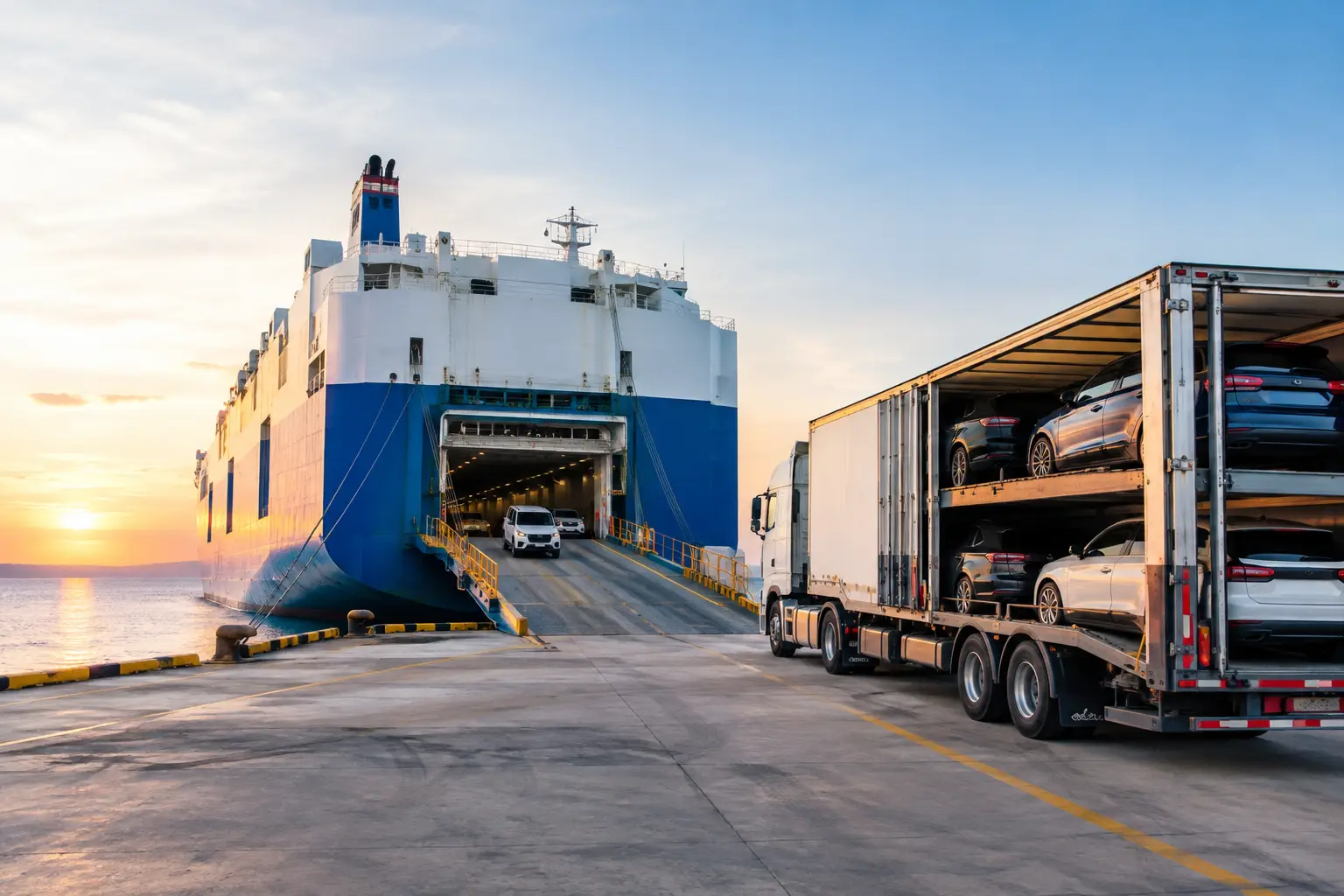
For most passenger vehicles, roll-on/roll-off shipping is the practical choice. The vehicle is driven onto a specialized vessel, secured for transit, and unloaded at the destination port. It is generally more economical than container shipping for a standard running vehicle, although it provides less isolation from the port environment and limits what may be left inside the car.
Container shipping may suit a rare collector car, a non-running vehicle, or a shipment that includes approved parts. It costs more and requires careful loading, but it can be worthwhile where security, protection, or shipment flexibility matters more than the lowest freight rate.
Brisbane-bound vehicles normally arrive through the Port of Brisbane. Melbourne has direct vehicle shipping options as well. For buyers in Sydney, Port Kembla is commonly the most practical vehicle-import port, followed by road transport to the Sydney area. The best destination is not always the closest city on the map. Vessel schedules, freight rates, clearance capacity, and the cost of onward transport can make one port the smarter choice.
Shipping lead times vary with vessel availability, transshipment schedules, weather, and port congestion. A typical Japan-to-Australia transit may take several weeks, but buyers should allow additional time for export processing, biosecurity inspection, customs clearance, and transport from the port. Avoid making registration appointments or travel plans based solely on an estimated vessel arrival date.
The Landed Cost Is More Than the Auction Price
Clear and honest pricing means separating every cost rather than hiding charges inside a vague total. Your landed cost may include the auction purchase price, auction fee, exporter service fee, inland transport in Japan, shipping, marine insurance, inspection or certification charges, Australian customs charges, duty, GST, port handling, quarantine-related cleaning, compliance work, and local delivery.
Most imported vehicles are assessed at 5% customs duty, although the applicable rate can depend on the vehicle and its origin. GST is generally 10% of the value of the taxable importation, which includes customs value, duty, and certain transport and insurance costs. Luxury Car Tax may also apply where the vehicle exceeds the relevant threshold. These figures should be checked against the current rules before purchase, particularly for late-model luxury and high-performance imports.
Biosecurity is another cost buyers should not underestimate. Australian inspection standards are strict. Dirt in wheel arches, leaves in the cowl area, mud beneath the chassis, seeds in carpets, and organic material in the engine bay can lead to a direction for cleaning or treatment. A vehicle cleaned properly in Japan has a far better chance of moving through the process without avoidable delay, but no exporter can promise that biosecurity officers will not inspect it.
Documents That Keep the Shipment Moving
A dependable export file should contain the Japanese export certificate, commercial invoice, bill of lading, auction documentation where applicable, and any odometer or inspection records requested for the transaction. The names, chassis number, and vehicle details must match across every document. A single digit error can slow customs processing and create frustration at the port.
Buyers should retain every record from the auction purchase through Australian registration. This includes condition reports, translations, payment records, shipping documents, import approval, customs entry paperwork, and compliance certificates. Beyond helping with registration, a complete file supports future resale. Serious enthusiasts and dealers value a verifiable import history, especially on collectible JDM vehicles.
Bid With a Limit, Not a Hopeful Number
The strongest auction buyers decide their maximum bid after calculating the full landed cost and allowing room for repairs. If the vehicle has worn tires, a leaking strut, cosmetic paint damage, or uncertain service history, those issues belong in the budget before the bid is placed, not after arrival.
Be particularly careful with heavily modified cars. Japan has excellent modified vehicles, but modifications can complicate Australian compliance and registration. A factory-standard example with a clean inspection report often costs more at auction because it is easier to import, easier to register, and easier to sell later. That premium can be cheaper than correcting another buyer’s unfinished project.
The right Japanese auction purchase is not necessarily the cheapest vehicle available that day. It is the vehicle with a credible condition report, a confirmed import pathway, documented mileage, a sensible shipping plan, and a cost structure you understand before the auctioneer calls the final bid.