Japan Vehicle Shipping Cost Breakdown for Buyers
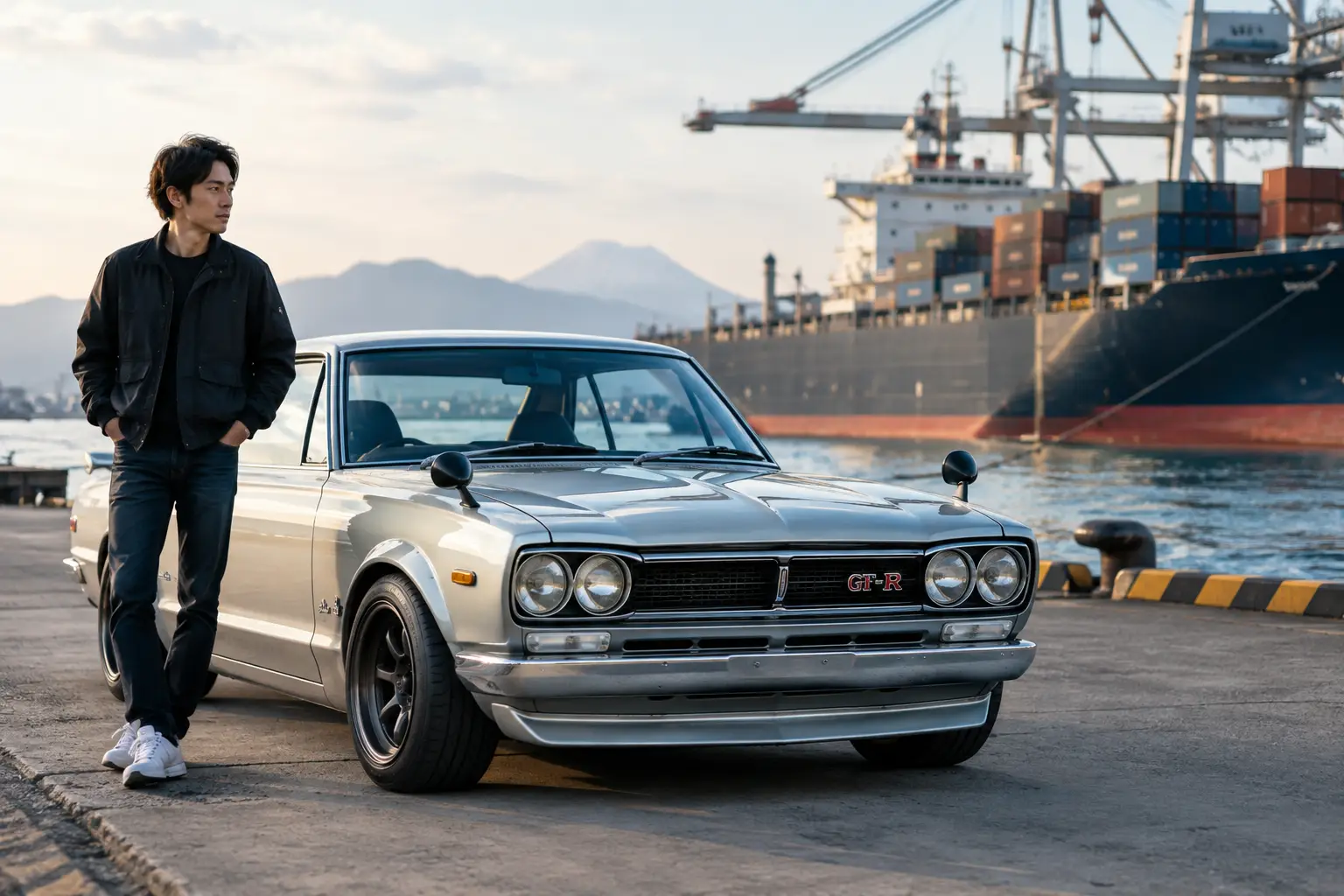
A low auction winning bid can look like a bargain until the first shipping quote arrives. Japan vehicle shipping cost is not one fixed number, and buyers who focus only on ocean freight can miss the charges that determine whether a vehicle remains a smart purchase once it reaches their port.
The right question is not simply, “What does shipping cost?” It is, “What will it cost to get this specific vehicle from a Japanese auction or dealer to my destination, cleared correctly and ready for the next step?” The answer depends on the vehicle’s size, shipping method, destination port, import rules, and the level of handling you need in Japan and after arrival. Clear pricing starts by separating those items before you commit to a vehicle.
What Japan Vehicle Shipping Cost Actually Covers
International freight is the most visible part of the bill, but it is only one part of the export process. Before a vehicle can board a vessel, it may need transport from the auction house to a shipping yard, export preparation, documentation, and port handling. A vehicle purchased in Hokkaido, for example, may carry different domestic transport costs than one purchased near Yokohama or Nagoya.
Once the vehicle reaches its destination, local port charges, customs clearance, taxes, duties, inspection requirements, and inland transport may apply. Some charges are included in a quote, while others are paid directly to a destination agent, port, government authority, or transporter. A dependable exporter will make that distinction clear rather than presenting one attractive number that leaves major costs unaddressed.
RoRo freight versus container shipping
Most vehicles leave Japan by roll-on/roll-off, commonly called RoRo. The car is driven onto a purpose-built vessel, secured for ocean transit, then driven off at the arrival port. For standard passenger vehicles headed to a major port, RoRo is often the most economical option. It is also straightforward when the vehicle is operational and the destination has regular RoRo service.
Container shipping loads the vehicle into a sealed container for transport. It usually costs more, especially for a single car, but can be the better choice for high-value vehicles, locations without practical RoRo service, or buyers shipping parts and approved accessories with the vehicle. A shared container can reduce the freight cost per vehicle, although timing is less predictable because the container must be filled and scheduled.
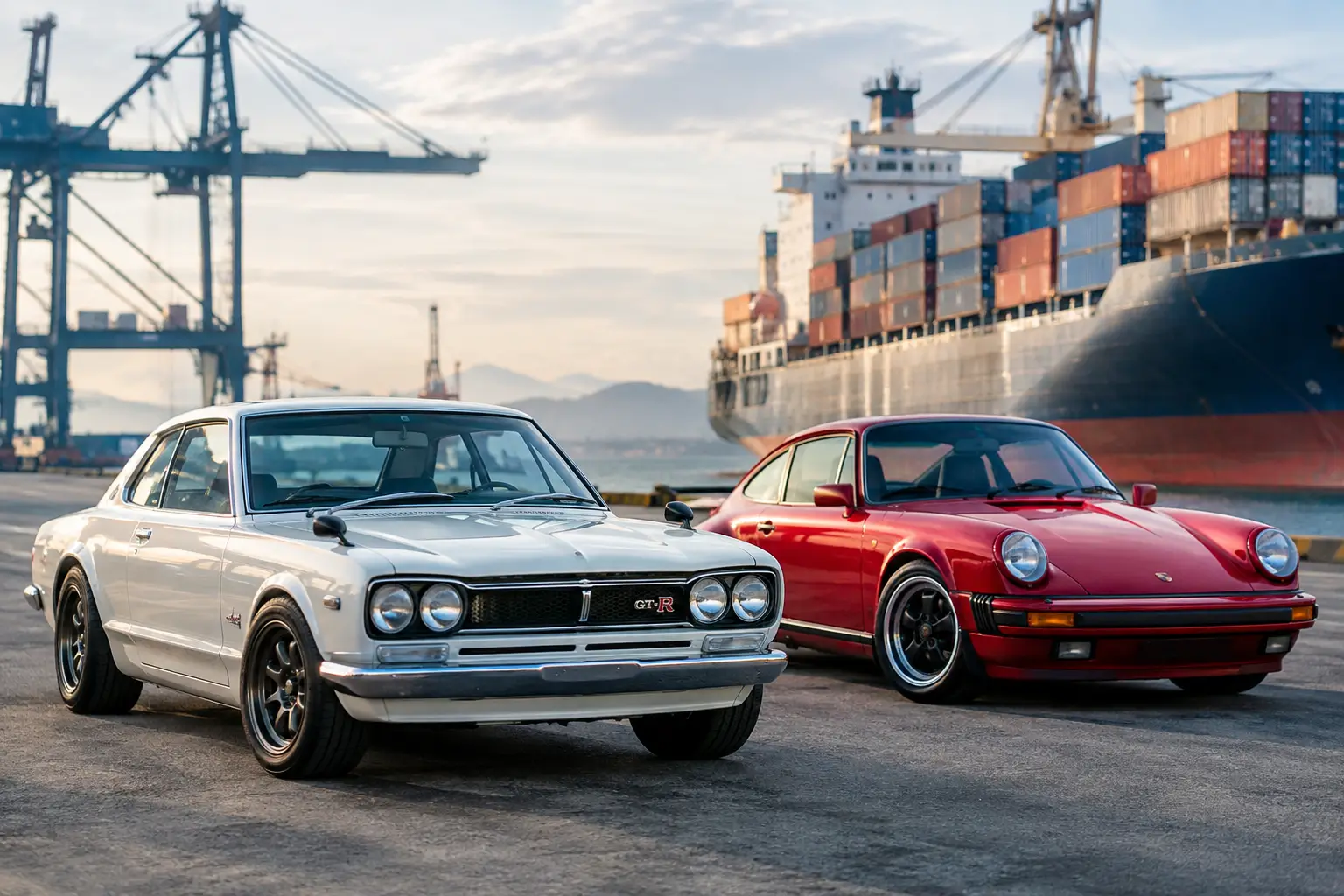
Neither method is automatically “better.” RoRo may offer a lower base price, while a container can provide more control for a rare Skyline GT-R, a low-clearance build, or a vehicle traveling to a port with limited RoRo calls. The vehicle’s value, condition, destination, and shipping schedule all matter.
The Charges Buyers Should Expect Around Shipping
A meaningful shipping estimate should identify the individual services involved. The final amount commonly includes several of the following items:
- Domestic transport from the auction, seller, or storage location to the export yard or Japanese port.
- Export handling, customs export declaration, deregistration where required, and document preparation.
- Ocean freight by RoRo or container, plus any carrier-specific surcharges.
- Japanese port and terminal handling charges before departure.
- Destination port handling, customs broker fees, and release charges after arrival.
- Import duty, sales tax, goods and services tax, excise charges, or other country-specific taxes.
- Inland delivery from the destination port to your home, workshop, dealership, or compliance facility.
Some costs are predictable before bidding. Others cannot be finalized until the carrier schedule, port, exchange rate, and local handling requirements are confirmed. That is why an honest estimate should show both the known charges and the items that remain subject to destination rules.
Vehicle size also changes the calculation. A compact kei car, a Toyota Crown wagon, and a Land Cruiser do not occupy the same space or fall into the same freight category. Modified vehicles can require additional review if they have very low ground clearance, inoperable condition, loose parts, fluid leaks, or non-standard loading needs. A vehicle that cannot be driven safely onto a RoRo vessel may require special handling or container transport.
Japan Vehicle Shipping Cost by Destination Rules
Freight is only half the landed-cost picture. The other half is whether the vehicle can enter, clear, and be registered in the destination country without expensive surprises.
For U.S. buyers, a vehicle generally needs to be at least 25 years old from its manufacture date to qualify for the federal motor vehicle safety exemption. EPA requirements have their own framework, and state registration rules still apply after the vehicle arrives. Import duty and port charges should be calculated before purchase, particularly for trucks and commercial-type vehicles that may face different tariff treatment. A vehicle can be legally imported at the federal level yet still require research before it can be titled in a specific state.
In Canada, the common age threshold is 15 years from the month of manufacture, but provincial registration, inspection, and insurance requirements can add costs after customs clearance. In Australia, the import pathway depends heavily on the vehicle’s age, eligibility, and current road vehicle approval requirements. Compliance work can be a substantial part of the budget for vehicles that do not qualify under an age-based route.
Buyers importing to the United Kingdom or Europe should budget for customs duty, VAT, port fees, and any applicable approval, testing, or registration steps. Right-hand-drive suitability, lighting changes, and local technical requirements can affect the final figure. The practical lesson is simple: confirm eligibility and tax treatment before bidding, not after the car is already at the Japanese port.
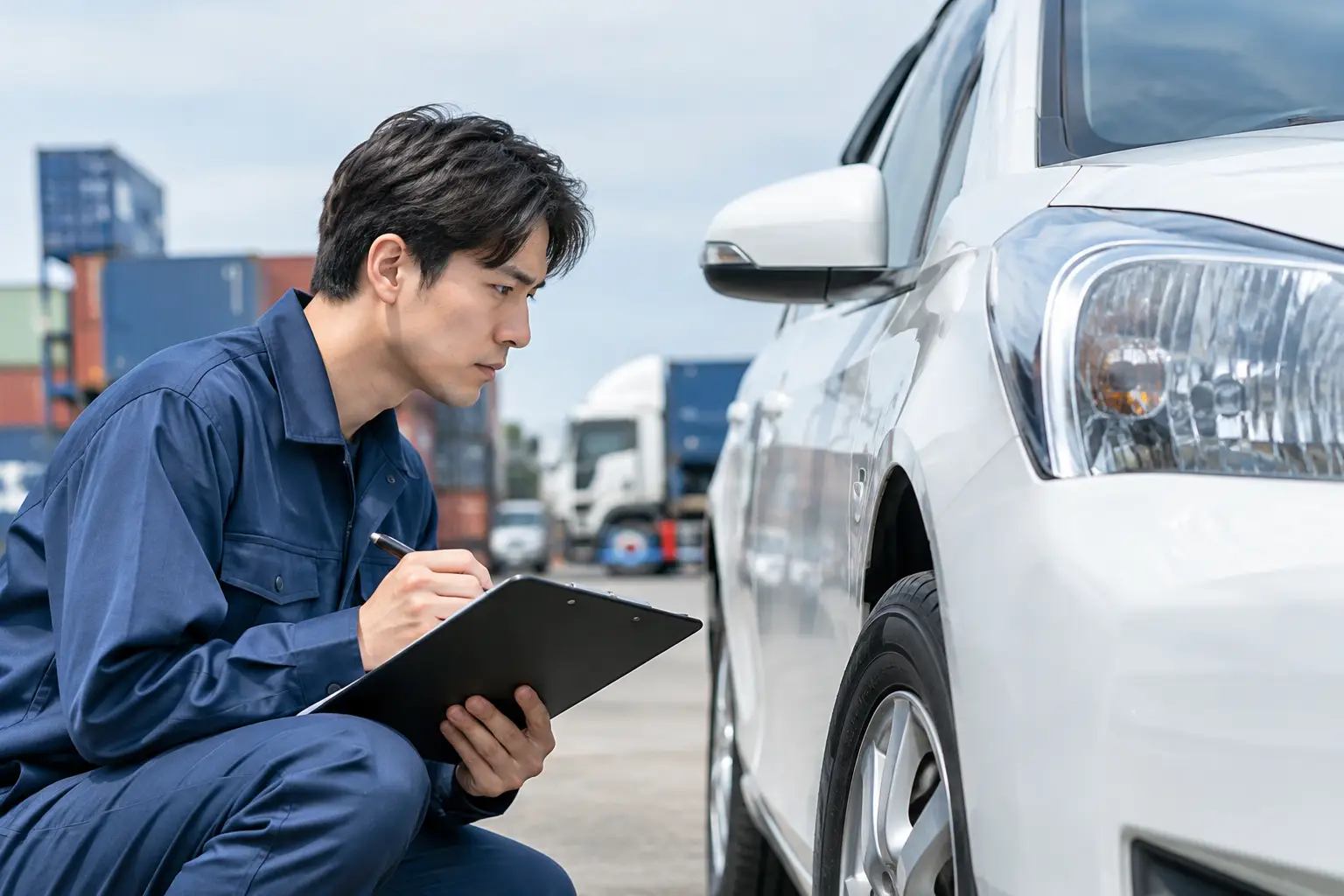
Pre-shipment requirements can also matter. Certain destinations require approved inspections or certifications before departure, such as JEVIC, QISJ, or EAA services depending on the country and vehicle type. These checks are not a place to cut corners. A missing or incorrect inspection can delay release, create reinspection costs, or leave a vehicle sitting at port while storage charges grow.
How to Keep Import Costs Under Control
The least expensive auction purchase is not always the least expensive import. Buying a vehicle close to an export port, selecting an operational example suitable for RoRo, and choosing a destination port with regular vessel service can all reduce the total. So can avoiding rushed decisions that force expensive storage, rebooking, or inland transport.
Condition matters as much as price. A cheap car with auction-note corrosion, a questionable odometer, mechanical faults, or a poor repair history can create costs that are not visible in the freight quote. Physical auction inspection, translated reports, high-resolution photos, and odometer verification help you make the purchase decision with the full picture in view.
At Direct Imported Japan, the goal is to give buyers an itemized path from auction purchase through export, not a vague number that changes once money has been sent. We attend auctions, inspect vehicles in person, and explain what the paperwork and shipping process require before the car leaves Japan. That hands-on work is especially valuable when you are buying remotely and cannot inspect the vehicle or speak directly with the auction staff yourself.
Ask for a Landed-Cost Estimate Before You Bid
Before placing a bid, provide the vehicle type, auction location, intended destination port, and final delivery area. Ask whether the estimate is for port-to-port freight only or includes Japanese export services, destination handling, customs clearance support, taxes, and inland delivery. If the destination country requires a pre-shipment inspection or compliance approval, include that in the calculation from the start.
A well-planned import does not depend on finding the lowest shipping line. It depends on knowing what each stage costs, confirming the vehicle is eligible, and having an experienced team handle the details before a small unknown turns into a costly delay at the port.