Japan Export Agent & Vehicle Import Broker | Direct Imported Japan
A low auction price is not the same thing as a good import purchase. The best import agent for your needs should protect you from the expensive surprises that happen between a Japanese auction listing and delivery at your port. Direct Imported Japan has your back from vehicle purchase through export, shipping, and assistance with importing into your country.
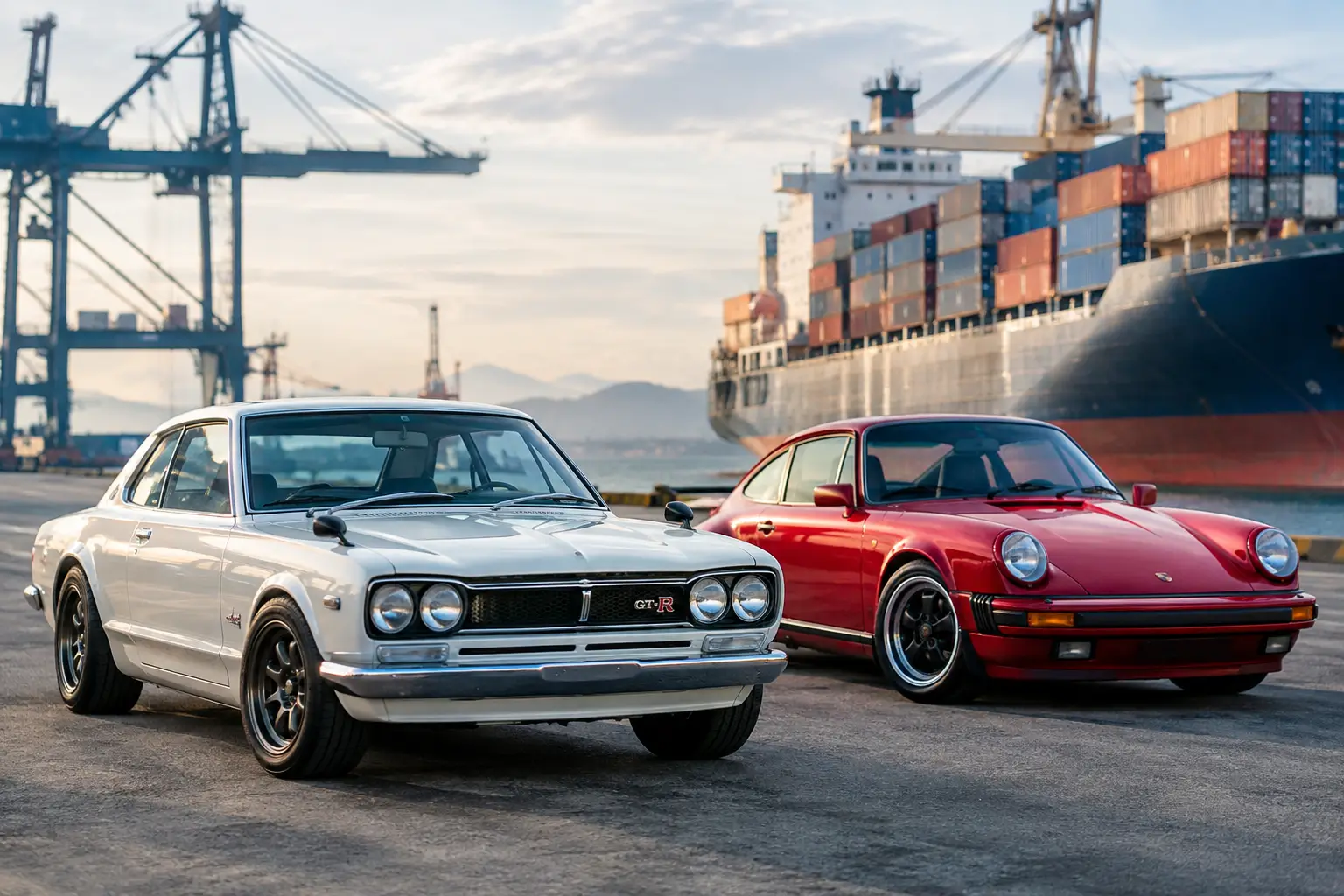
For a collector, that may mean confirming a Skyline GT-R has genuine mileage and the condition claimed on paper. For a dealer, it may mean building a predictable inventory pipeline without guessing at repair costs, shipping timing, or document requirements. In both cases, the broker’s job is not simply to place a bid. It is to represent your interests in Japan when you cannot be there yourself.
What the Best Import Broker/Agent for Your Needs Actually Does
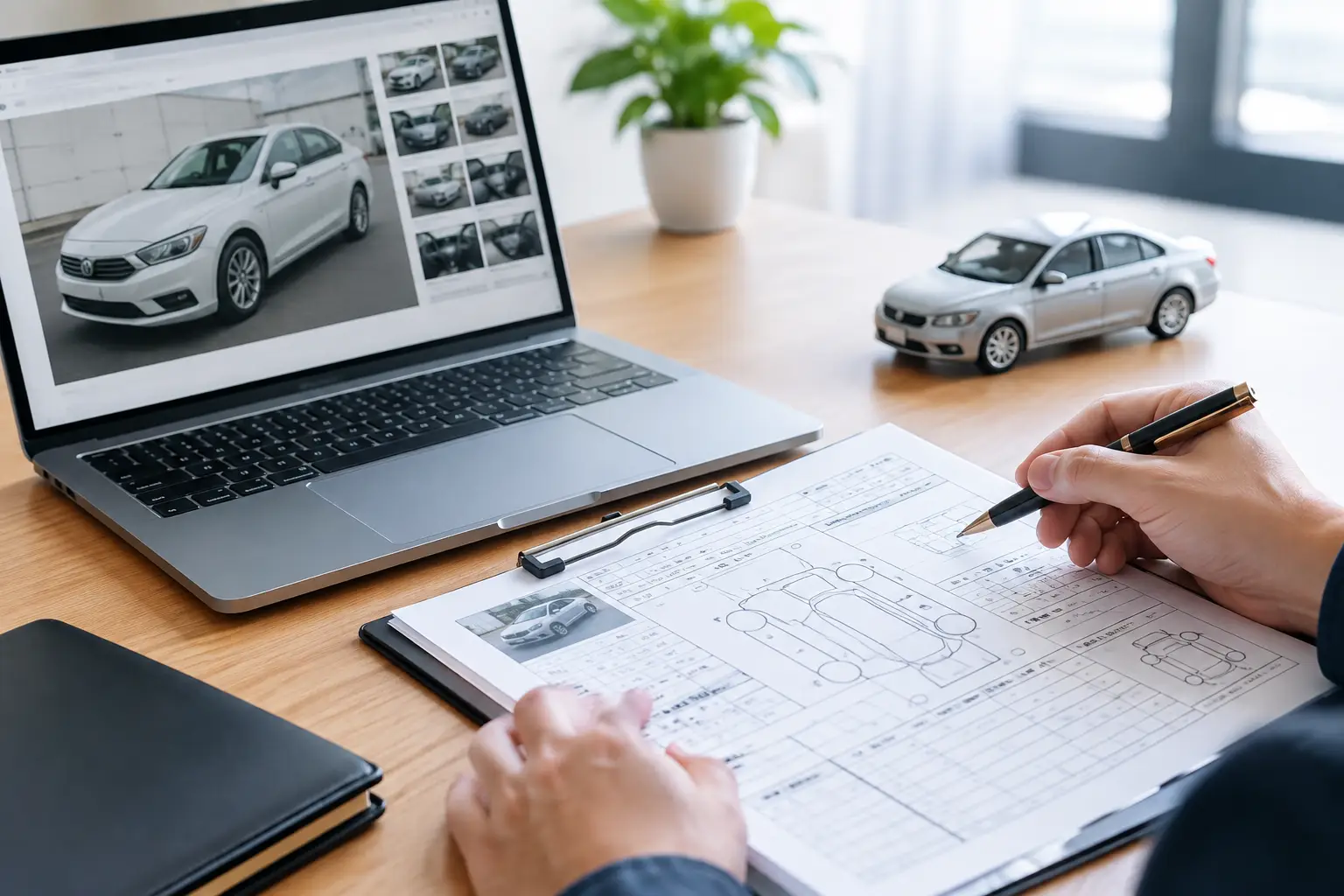
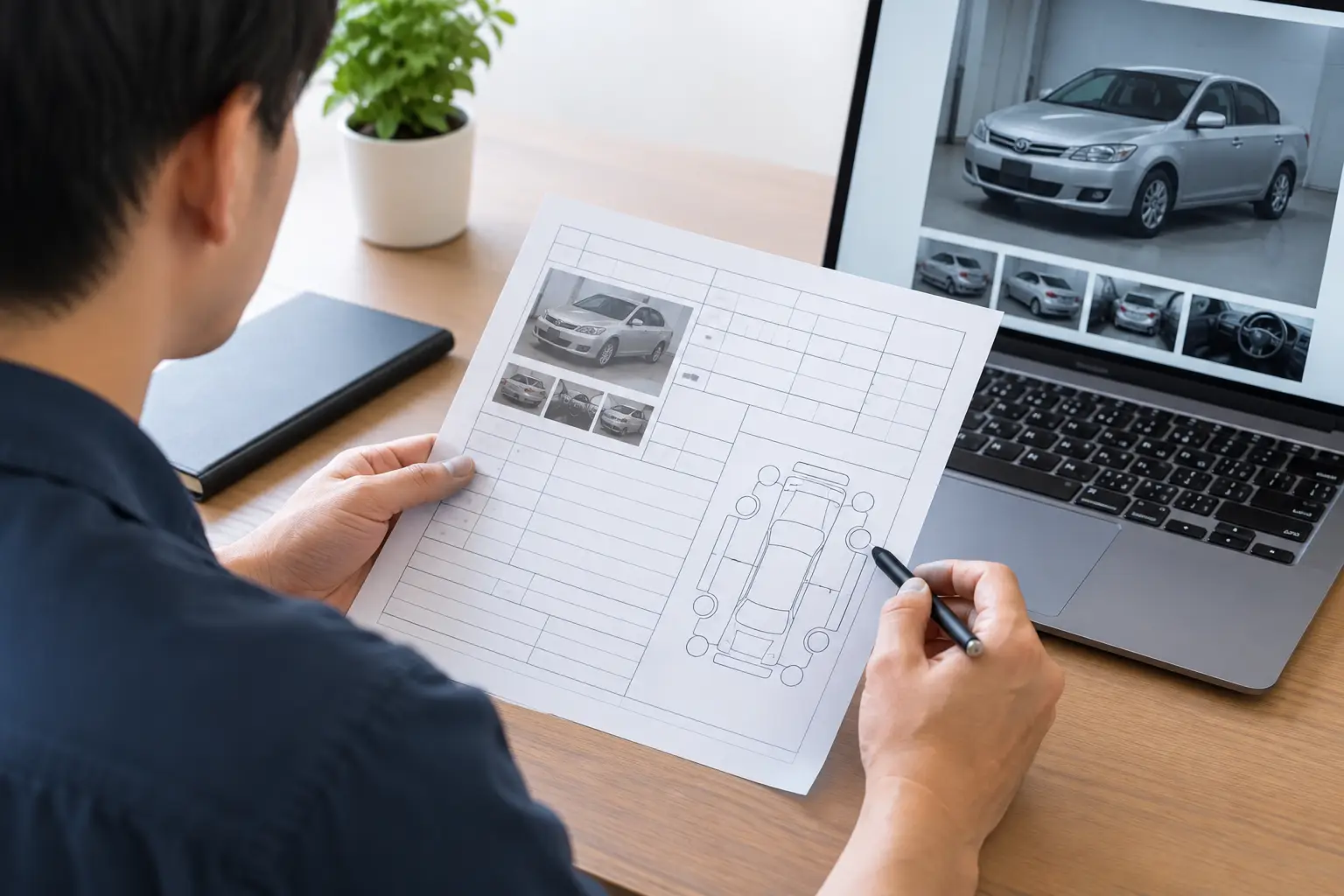
Japanese vehicle auctions offer exceptional selection, but auction sheets are not a warranty. A grade 4 car can still have prior paintwork, aging rubber, underbody corrosion, interior wear, or modifications that affect value in your market. Translation alone is not enough when the decision involves thousands of dollars and a vehicle you may not see for months.
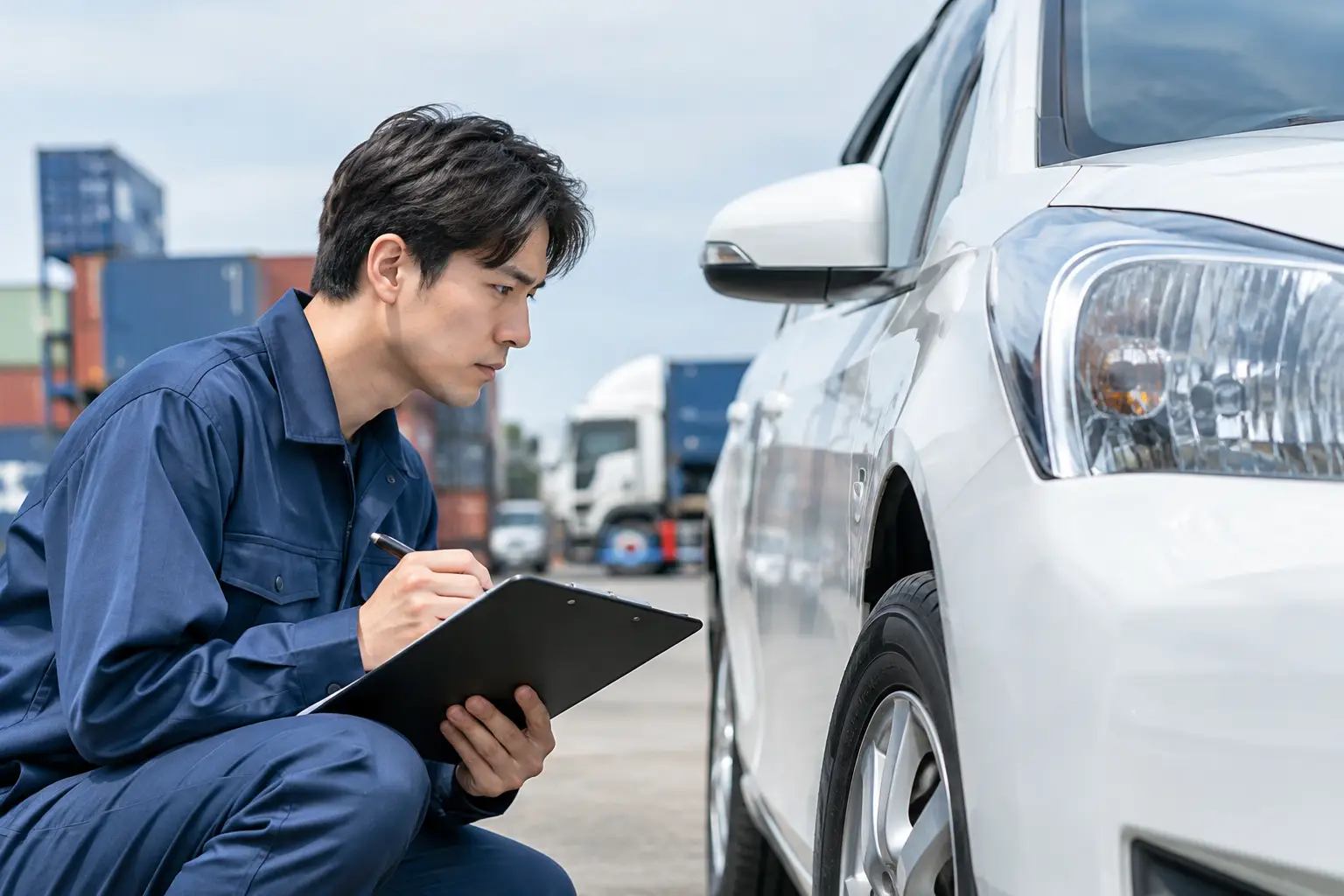
A capable Agent/broker combines auction access with physical inspection. That means reviewing the auction sheet, inspecting the vehicle in person when appropriate, checking visible condition concerns, listening for mechanical issues where possible, and reporting what the listing does not make obvious. High-resolution photos and candid feedback give buyers the information needed to bid with discipline instead of emotion.
This matters most with enthusiast vehicles. A clean-looking turbocharged performance car may have aftermarket tuning, signs of hard use, poor-quality repairs, or rust beginning underneath. None of those findings automatically makes it a bad purchase. They do change the right price and may change whether the vehicle fits your plans.
Clear bidding and condition reporting prevent costly assumptions
A trustworthy import partner should explain auction grades in plain English, translate seller comments, and identify concerns before bidding. They should also be upfront when a vehicle is not worth pursuing. Walking away from the wrong car is often the best result.
Ask how a Agent handles price limits. Your maximum bid should account for the auction purchase price, auction fees, inland transport, export handling, shipping, insurance if selected, port charges, taxes, duties, compliance work, and any repairs or conversion work after arrival. Clear and honest pricing helps you compare vehicles based on their actual landed cost, not an attractive opening number.
Purchase Is Only the Start of the Import Process
Once a vehicle is purchased, the work shifts from evaluation to execution. The vehicle must be collected, prepared for export, documented correctly, and delivered to the shipping line. A missed detail can delay departure or create problems when the vehicle reaches its destination.
A full-service export agent/broker coordinates the essential export steps: ownership and deregistration paperwork, export certificates, commercial invoices, bills of lading, port delivery, and shipping arrangements. Depending on the destination, the vehicle may also require pre-shipment inspections or certificates. JEVIC odometer certification, for example, can provide useful mileage verification and may be required or strongly advisable for certain markets.
Shipping is not one-size-fits-all. Roll-on/roll-off shipping is often cost-effective for running vehicles, while container shipping can make sense for high-value cars, non-running projects, parts, or buyers consolidating more than one vehicle. The lower freight quote is not always the better choice. Transit schedule, port availability, vehicle protection, and destination handling charges all deserve consideration.
Import Rules Depend on Where You Live
A broker based in Japan can manage the export side, but a good partner also helps you understand what will be needed at home. U.S. buyers, for example, need to consider the 25-year federal import exemption, EPA and DOT rules, Customs entry requirements, duty, and state title or registration standards. A vehicle can be legal to import federally yet still require extra attention for registration in your state.
Australia, Canada, the United Kingdom, New Zealand, and European markets each have their own age rules, inspections, taxes, safety requirements, and clearance procedures. Never assume that a model commonly imported elsewhere can be imported and registered in your country without issue. Confirm eligibility before bidding, especially on newer vehicles.
The right Agent like Direct Imported Japan will provide the export documents and practical guidance needed for your destination, while being honest about where a local customs broker, compliance specialist, or port agent must take over. That is not a gap in service. It is the responsible way to manage a cross-border transaction.
Questions Worth Asking Before You Commit
Before choosing an import broker or your agent, ask whether they attend auctions physically, how they document condition, how they verify odometer readings, and what happens if an inspection reveals a concern. Ask for a complete cost outline and whether they can explain likely destination-side charges. You should also know who communicates with you after the bid is won and while the vehicle is on the water.
Experience matters, but accountability matters just as much. A broker and an export company Direct Imported japan with more than 25 years of auction and export experience should still be willing to explain the details of your specific vehicle, not hand you a generic answer.
The right vehicle is out there, but it is worth buying only when the condition, total cost, and import path all make sense. Choose a broker who will tell you when to bid, when to wait, and when to walk away.