Japan to Trinidad and Tobago Car Import Rules
A clean Japanese auction grade and a right-hand-drive layout may make a vehicle look like an obvious fit for Trinidad and Tobago. But the purchase only works if the vehicle qualifies before it leaves Japan. The real answer to how to import a car from Japan to Trinidad and Tobago import rules is not “buy, ship, clear.” It is verify eligibility, secure approval, inspect the car properly, and ship only when the documents match the vehicle.
For a private buyer, one missed requirement can turn a good deal into a costly problem at the port. For a dealer, the same mistake can tie up capital, disrupt inventory plans, and create an avoidable compliance issue. Regulations, tax treatment, and licensing conditions can change, so confirm the current requirements with the relevant Trinidad and Tobago authorities and a qualified customs broker before you bid or pay for any vehicle.
Start With Trinidad and Tobago Import Eligibility
Trinidad and Tobago regulates the importation of used vehicles. An import license is generally required, and the vehicle must meet the conditions attached to that license. Do not treat the license as paperwork to sort out after the auction. It should be in place, or its requirements clearly confirmed, before the vehicle is purchased and scheduled for shipment.
Used-vehicle eligibility commonly centers on the vehicle’s age, class, engine displacement, and intended use. Passenger-car imports may be subject to age limits and engine-capacity restrictions, while pickups, vans, commercial vehicles, and specialty vehicles can fall under different rules. The precise cutoff can depend on the vehicle category and the applicable policy at the time of import.
That distinction matters in Japan, where an attractive vehicle may be registered late but manufactured earlier. Customs and licensing authorities may use the manufacture date, model year, or another prescribed date standard when determining eligibility. Ask for the chassis number and confirm the production date before buying. A registration document alone is not enough to make that judgment.
Japan’s right-hand-drive vehicles are generally suited to Trinidad and Tobago’s left-side traffic system. That does not remove the need to verify all other standards. A vehicle can be correctly configured for the road yet still be ineligible because of its age, engine size, documentation, or license conditions.
Get the Import License Before the Car Ships
The import-license process should guide the purchase, not follow it. Your application needs to describe the vehicle accurately, including the make, model, chassis number, engine size, year details, and value where required. A mismatch between the license, export paperwork, and physical vehicle is exactly the kind of issue that delays clearance.
If you are still selecting a car, establish the permitted category, age range, and engine-size limit first. Then source within those parameters. This is particularly relevant for popular Japanese domestic market vehicles, where trim names can hide meaningful differences in displacement, seating, body style, hybrid equipment, or commercial classification.
Avoid relying on a seller’s statement that a car is “Trinidad eligible.” A Japanese dealer, auction seller, or exporter may know the market generally, but the importer remains responsible for meeting local rules. Good sourcing support means checking the chassis data and flagging concerns early, not making promises based on a listing headline.
Choose a Vehicle That Will Pass Inspection
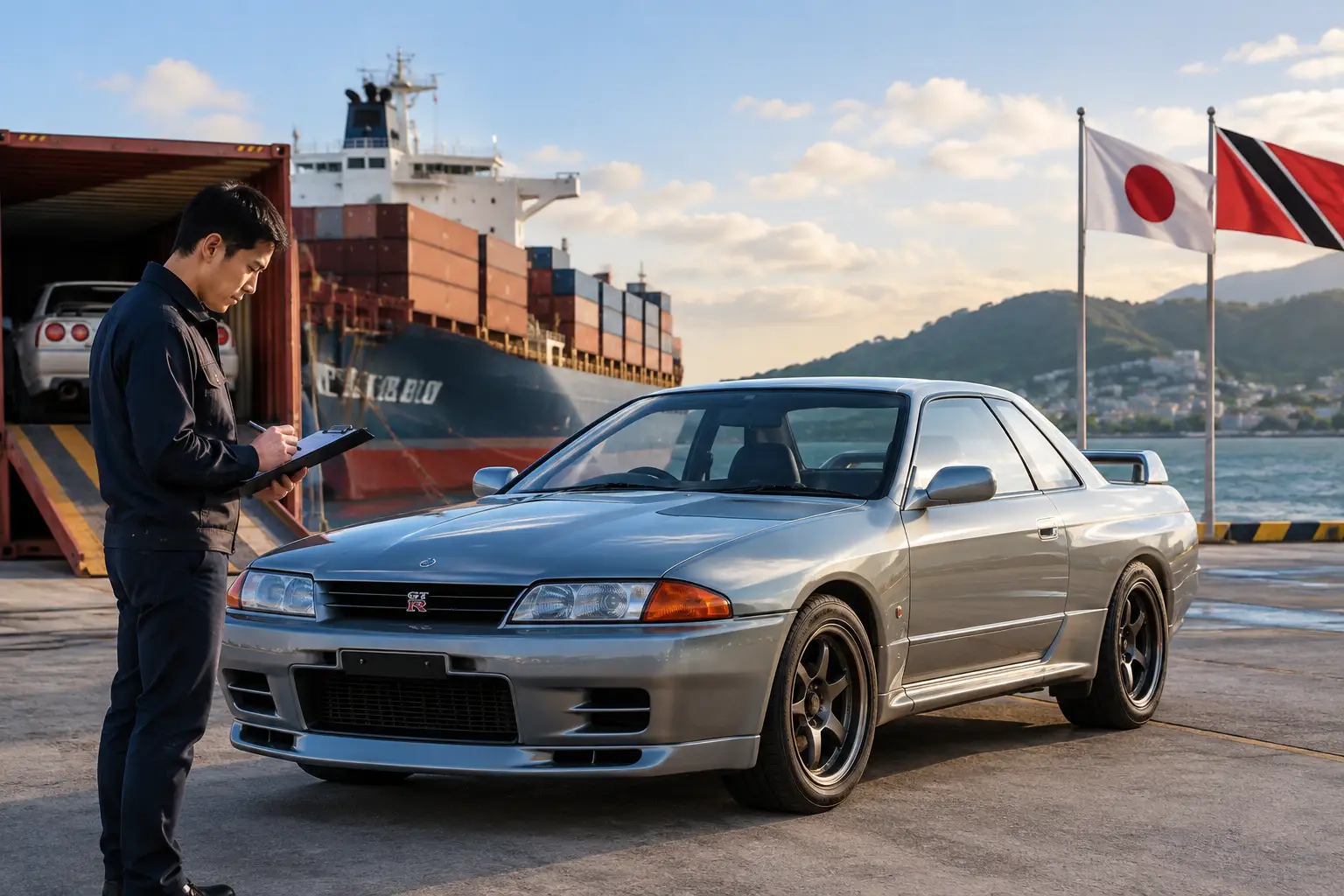
Pre-shipment inspection is more than a formality. Trinidad and Tobago may require a recognized inspection certificate for used vehicles exported from Japan, commonly associated with JEVIC inspection procedures. Confirm the currently approved inspection provider, inspection scope, and certificate format for your vehicle before booking shipping.
The inspection process can address identification, odometer information, safety-related condition, and emissions or environmental requirements, depending on the applicable program. It is not a substitute for a detailed pre-purchase inspection. Its purpose is compliance. Your own inspection is meant to protect you from buying a vehicle with rust, accident repairs, transmission faults, warning lights, worn tires, or other condition issues that may not be obvious in auction photos.
This is where auction-grade interpretation matters. A grade 4 car can still have repairs, worn interior trim, or underbody corrosion. A low-mileage reading is valuable only when the history supports it. Ask for a translated auction sheet, high-resolution photos, chassis confirmation, and a clear report on defects. For higher-value vehicles, physical auction attendance and an in-person check can reveal details that digital listings do not.
Direct Imported Japan can assist buyers with on-site auction inspection, translated condition reporting, and odometer verification so the vehicle selected for export is not simply compliant on paper but understood in real condition.
Budget for More Than the Auction Price
The hammer price is only the opening number. Your landed cost may include the vehicle purchase price, auction charges, inland transport in Japan, inspection charges, export documentation, shipping, marine insurance, port charges, customs brokerage, duties, taxes, and local registration expenses.
Customs normally assesses the vehicle using a declared customs value, often based on the cost of the vehicle plus insurance and freight. Duty, VAT, motor vehicle tax, environmental levies, and other applicable charges may then be calculated according to the vehicle type, engine capacity, age, fuel type, and tariff classification. Rates and tax bases can change, and some charges are not calculated in the same way as others.
Do not build a purchase decision around a generic online duty estimate. Give your broker the exact chassis number, engine displacement, body type, purchase price, shipping quote, and proposed port of arrival. Then ask for a written estimate that identifies each expected charge and clearly states what is an estimate versus a confirmed fee.
A small-displacement car may be cheaper to tax and easier to fit within import rules, but it may not suit the buyer’s use case. A larger SUV may offer more utility but produce a sharply higher total landed cost or fall outside the permitted category. The right vehicle is the one that fits both your requirements and the regulations, not simply the one with the lowest auction price.
Prepare the Documents Before Arrival
Document readiness determines whether the car clears efficiently. Your customs broker should review the full file before the vessel arrives. While exact requirements should be confirmed for each shipment, the file commonly includes the approved import license, commercial invoice, bill of lading, Japanese export or deregistration certificate, inspection certificate, insurance and freight information, identification documents, and any customs declarations or tax documents required for clearance.
Make sure names, chassis numbers, engine details, and values are consistent across every document. One digit wrong in a chassis number can create a major delay. Keep original documents secure and send copies to your broker early enough for review.
Japanese paperwork deserves careful translation and checking. The chassis number is the key identifier for many Japanese vehicles, and it may not look like a conventional 17-digit VIN. A knowledgeable exporter can match the auction record, registration history, export certificate, inspection certificate, and shipping instructions so there is no confusion about the car being shipped.
Ship With the Port Process in Mind
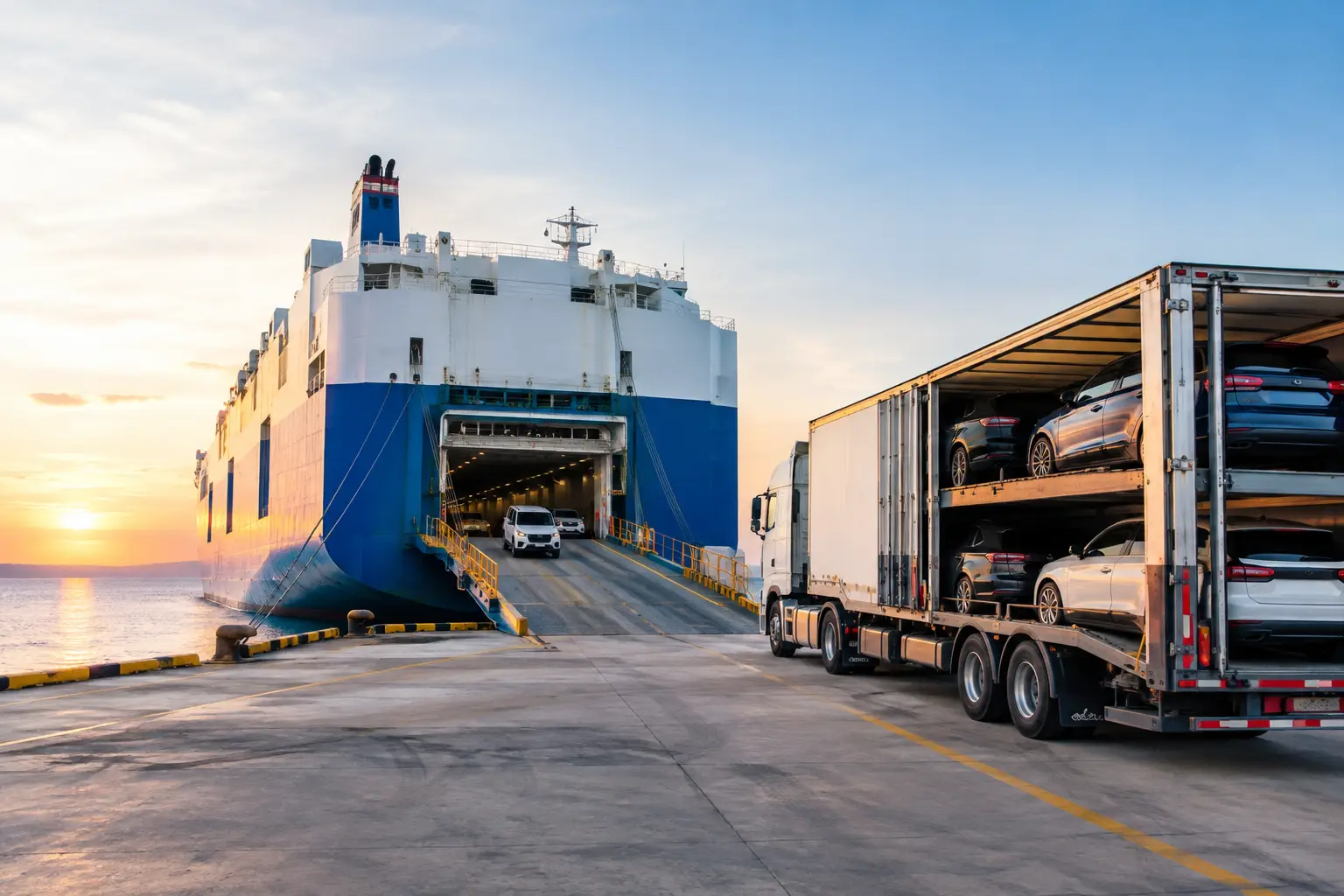
Most vehicles move from Japan by roll-on/roll-off vessel or in a container. RoRo is often the straightforward choice for a running vehicle, while container shipping can make sense for high-value vehicles, multiple units, or shipments requiring additional control. The best method depends on cost, schedule, port handling, and the car’s condition.
Before booking, confirm the destination port, shipping line requirements, cut-off dates, and who is responsible for port release and local delivery. A non-running car, modified vehicle, or vehicle with loose parts may require different shipping arrangements. Do not leave personal belongings in the car. They can create customs issues and may not be covered by marine insurance.
Once the vehicle arrives, your broker coordinates customs processing, payment of assessed charges, and port release. Plan for storage risk. If documents or funds are not ready, demurrage and port storage can build quickly. Arrange onward transport and registration steps before the car is released, rather than after it is sitting at the terminal.
Common Mistakes That Cost Buyers Money
The most expensive error is buying first and checking eligibility later. Close behind it are trusting an unverified odometer reading, underestimating taxes, accepting incomplete paperwork, and assuming an auction-grade report tells the whole story.
Be especially careful with modified cars. Engine swaps, altered suspension, deleted emissions equipment, aftermarket lighting, and nonstandard wheels may affect inspection, valuation, roadworthiness, or registration. A modified JDM vehicle can be an excellent purchase, but only if its condition and compliance position are assessed honestly before export.
The practical path is simple: confirm the import category and license requirements, identify a qualifying vehicle, inspect it beyond the listing, obtain the required pre-shipment certification, verify the full landed cost, and have the documents reviewed before sailing. A disciplined process gives you a far better chance of enjoying the car on Trinidad and Tobago roads instead of watching it sit at the port.