Importing Toyota Hiace Campervan From Japan to Australia
A clean, well-equipped Hiace campervan at a Japanese auction can look like a straightforward buy. The real work begins before you bid. Importing Toyota Hiace campervan from Japan to Australia involves more than arranging a vessel booking: the van must have a legal pathway into Australia, meet biosecurity requirements, and be capable of registration in the state or territory where you will use it.
That does not mean the process is out of reach. It means the vehicle must be evaluated as an Australian import first and an appealing Japanese camper second. A low auction price is not a bargain if the conversion, compliance work, tax, or cleaning requirements erase the saving after it arrives.
Start with the Australian import pathway
Australia regulates used vehicle imports through the Road Vehicle Standards framework. In most cases, a vehicle needs the appropriate approval before it is shipped from Japan. Do not treat this as paperwork to solve once the van is on the water. Without the correct import pathway, you can face delays, storage charges, or a vehicle that cannot be registered as intended.
The available pathway depends on the Hiace's build date, model, vehicle category, and how it is configured. Older vehicles may qualify under age-based arrangements, while later models may need to be eligible through a concessional pathway and handled by an approved specialist. A camper conversion adds another layer because the imported vehicle is not simply a standard cargo van or people mover.
The key question is not just, “Can I import a Toyota Hiace?” It is, “Can this exact Hiace, with this camper body and these modifications, be entered, complied, and registered?” Confirm that answer before bidding. Requirements can change, and the final decision rests with the relevant Australian authorities and registration body.
Why the camper conversion matters
Japanese campervans range from factory-built motorhomes to basic Hiace vans fitted with a bed platform, cabinets, and an auxiliary battery. Australian compliance and registration treatment may differ based on seating capacity, gross vehicle mass, body type, gas installations, electrical work, and whether the vehicle is presented as a motorhome.
A conversion that is perfectly usable in Japan may require changes in Australia. Common pressure points include seat belts and seating positions, child-restraint anchorages, lighting, glazing, gas certificates, 240V electrical systems, and weight limits. If a van has a pop-top roof, roof bed, aftermarket swivel seats, or a rear kitchen, obtain detailed photos and measurements early. These are not cosmetic details when a compliance engineer or registration inspector is assessing the vehicle.
Choose the right Hiace before you buy
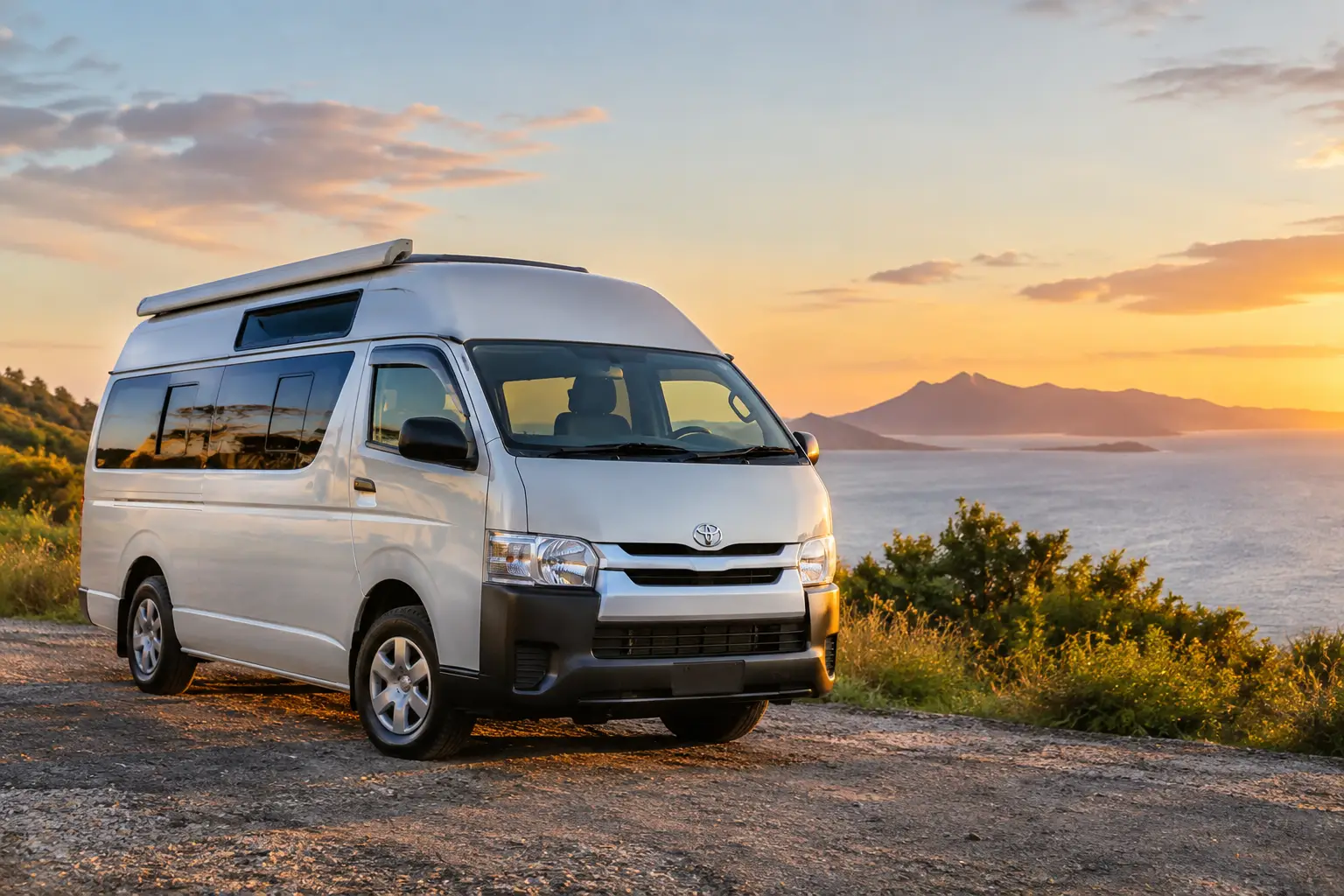
Hiace campervans are popular for good reason. They are compact enough for daily use, supported by a broad mechanical parts network, and available in many layouts. But “Hiace camper” describes a wide variety of vehicles, from a modest two-berth van to a high-roof, four-wheel-drive tourer with a full interior conversion.
For Australian touring, check the drivetrain, engine, and practical payload rather than focusing only on the interior. A diesel four-wheel-drive model may suit unsealed roads and remote travel, but it can cost more to buy, consume more fuel, and command a premium in the Japanese market. A two-wheel-drive model may be the more sensible choice for coastal trips, city use, and paved campground travel.
Auction grade is useful, but it is not a mechanical guarantee. Grade 4 or 4.5 can describe a tidy vehicle while still leaving room for underbody corrosion, worn tires, aging suspension bushings, or camper equipment that no longer functions properly. On a converted van, inspection should cover both the base vehicle and the habitation equipment: fridge operation, water pump, battery charging, roof mechanism, heater, cabinetry, leaks, and signs of previous repairs.
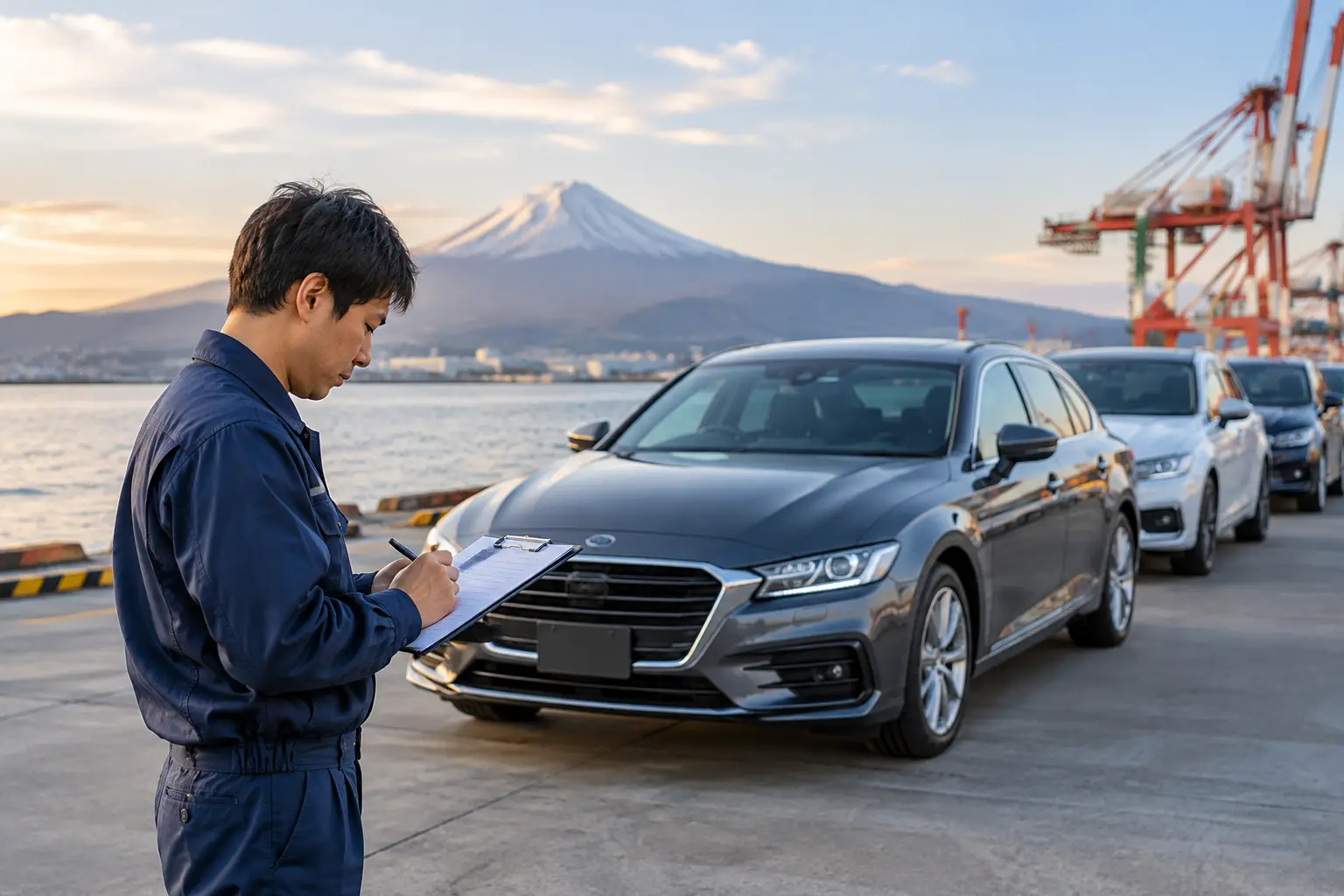
At Direct Imported Japan, physical auction attendance and pre-purchase reporting help buyers see beyond a translated auction sheet. A clear report should identify faults and uncertainty, not merely repeat the seller's description. This is particularly valuable on older campervans, where condition varies far more than the auction photos suggest.
Budget for the landed cost, not the hammer price
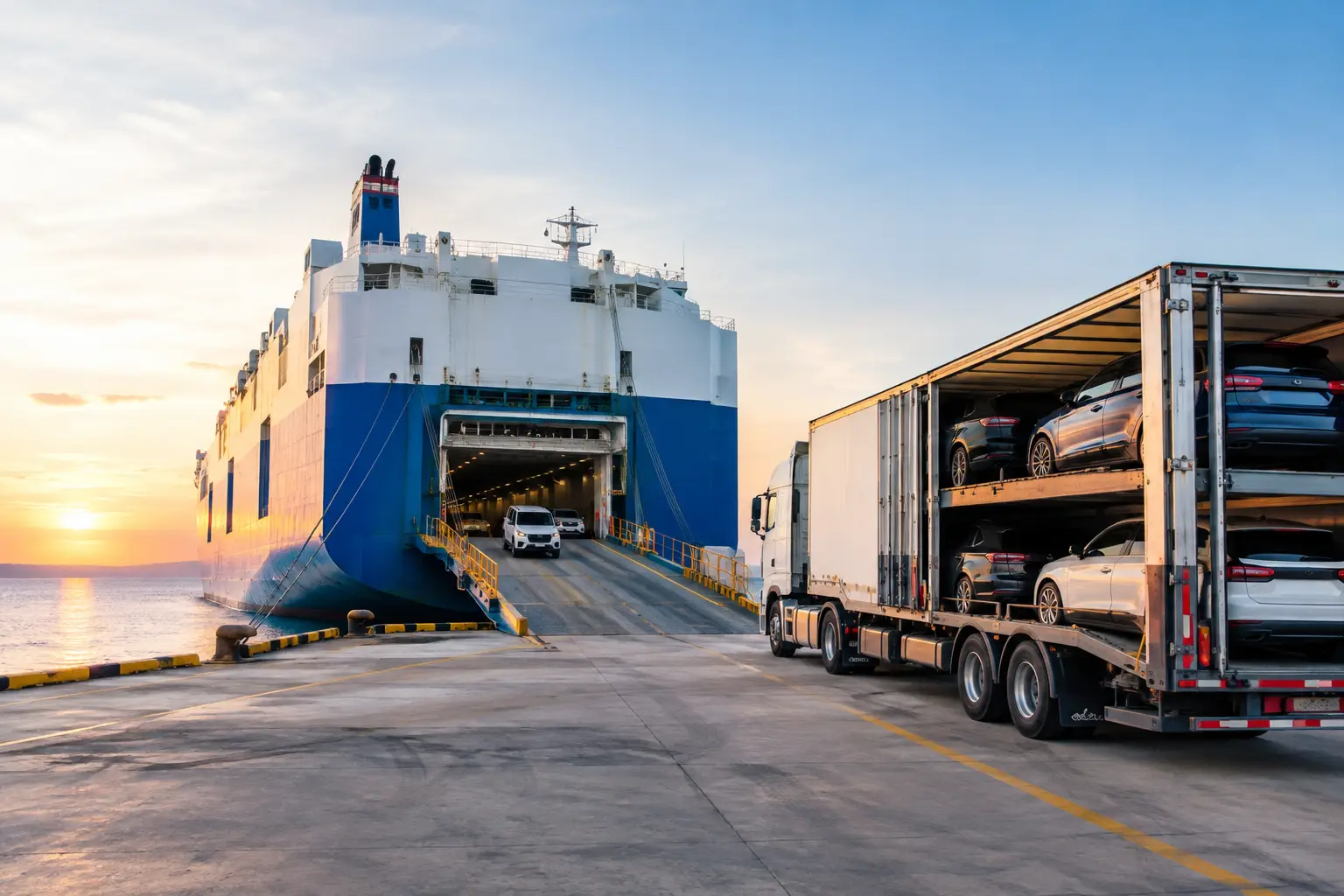
The hammer price is only one line in the budget. A realistic landed-cost calculation includes the Japanese purchase price, auction and export fees, inland transport, shipping, marine insurance, inspections, Australian port and handling charges, customs clearance, taxes, compliance work, and delivery from the port.
Australian Goods and Services Tax is generally 10% and is calculated on more than the vehicle purchase price. Customs value, duty where applicable, international freight, and insurance can all affect the taxable amount. Import duty may apply unless a valid preferential tariff claim is available and supported by the correct origin documentation. Do not assume that a vehicle exported from Japan automatically receives a preferential duty rate.
Luxury Car Tax can also be relevant on higher-value vehicles, depending on classification, value, and current thresholds. Many older Hiace campers will not trigger it, but a newer or highly specified motorhome should be checked by an Australian customs professional before purchase.
Budget a contingency. Shipping schedules shift, ports charge storage when clearance is delayed, and a vehicle may need additional cleaning or compliance rectification. A transparent exporter can quote the Japan-side charges clearly, but no responsible supplier should promise an exact Australian landed figure without the vehicle details, shipment terms, and advice from the parties handling the Australian side.
Biosecurity is not optional
Australia's biosecurity standards are among the strictest in the world. Used vehicles are inspected for soil, seeds, insects, animal material, leaves, mud, and contamination in areas that are easy to overlook. Underbody cavities, wheel arches, engine bays, spare-wheel carriers, roof gutters, awnings, and camper storage lockers all deserve attention.
A pre-export inspection and cleaning process through an approved provider such as JEVIC is often part of preparing a used Japanese vehicle for Australia. It helps, but it is not a free pass at the Australian port. The vehicle can still be inspected on arrival, and further cleaning or treatment can be ordered if contamination is found.
Be cautious with accessories. Camping gear, used bedding, food, dirty recovery boards, and loose items stored in cupboards can create unnecessary biosecurity issues. The safest approach is to ship the campervan clean, empty, and honestly declared. A few forgotten items can delay release more than most buyers expect.
Documentation must match the vehicle
Accurate documents are essential for customs, biosecurity, compliance, and future registration. The export certificate, bill of lading, purchase invoice, odometer evidence, import approval, and vehicle identification details should all align. Any mismatch in chassis number, model description, or declared value invites questions at exactly the point when storage charges may be accumulating.
Odometer verification is also worth treating seriously. Japan has a strong auction system, but kilometers can still be misrepresented in the broader used-vehicle market. Independent JEVIC odometer certification, auction-history checks, and a review of the auction sheet provide a stronger record for an Australian buyer. This matters both for your own confidence and for resale down the track.
Keep copies of the original Japanese documents, translated condition information, inspection photos, and invoices. If the Hiace is an older vehicle or a specialized conversion, this file can be useful when an engineer, insurer, or future buyer asks how the vehicle entered Australia and what work was completed.
Plan for arrival and registration before shipping
Import clearance is not the same as registration. Once the campervan reaches Australia, it may need customs release, biosecurity clearance, compliance steps, a roadworthiness inspection, engineering documentation, and state or territory registration inspections. The sequence and evidence required can vary between jurisdictions.
Speak to the Australian compliance workshop, engineer, customs broker, and registration authority relevant to your destination before buying. Give them the chassis number where available, build date, photos of the conversion, seat layout, weights, and any modifications. Their answers will help you avoid choosing a vehicle that is attractive in Japan but impractical to put on Australian plates.
The best Hiace import is not necessarily the lowest-priced van at auction. It is the one with a verified history, a clean and well-documented conversion, a confirmed import route, and enough budget left to bring it through Australia properly. Get those points settled before the bid, and the first trip in your campervan can start on the road rather than in a port storage yard.