Import Brokers: Do You Need Them? Yes, We Can Help

A low auction price is not the true cost of a Japanese import. The moment a vehicle is purchased, someone must verify its condition, secure the correct paperwork, book transport, manage export procedures, and make sure it can be legally admitted at the destination. So, regarding import brokers, do you need them, can we help, and is the answer yes? For most buyers bringing a vehicle from Japan to the United States, experienced support is not just convenient. It is the practical way to reduce expensive mistakes.
The key is understanding that “import broker” can describe two different jobs. A Japan-based export and sourcing partner works on the vehicle purchase and export side. A licensed U.S. customs broker works on the U.S. entry side. Depending on the vehicle, port, and your comfort level with import filings, you may need one, both, or a coordinated team that handles the moving parts properly.
Import Brokers: Do You Need Them?
You are not legally required to hire a customs broker for every vehicle imported into the United States. An individual can act as the importer of record and submit entry documentation directly to U.S. Customs and Border Protection. In theory, that can save a service fee.
In practice, vehicles are not ordinary cargo. A filing error, missing document, incorrect vehicle identification number, or improper declaration can delay release at the port while storage charges accumulate. Federal requirements may involve Customs and Border Protection, the Environmental Protection Agency, and the National Highway Traffic Safety Administration. State registration rules apply after federal entry and can add another layer.
A customs broker is particularly worthwhile when you are importing commercial inventory, bringing in multiple vehicles, using container shipping, or dealing with a vehicle that does not fit a straightforward age-based exemption. Dealers benefit from repeatable processes and clean records. Individual buyers benefit from having a professional check the entry before a long-awaited car arrives at the port.
There is also a second question: who is protecting you before the vehicle ever leaves Japan? A U.S. customs broker generally does not attend Japanese auctions, translate an auction sheet, inspect underbody corrosion, or question an inconsistent mileage history. That work belongs with an export-side partner that knows the Japanese market and can physically evaluate the car.
What a Japan-Based Export Partner Actually Does
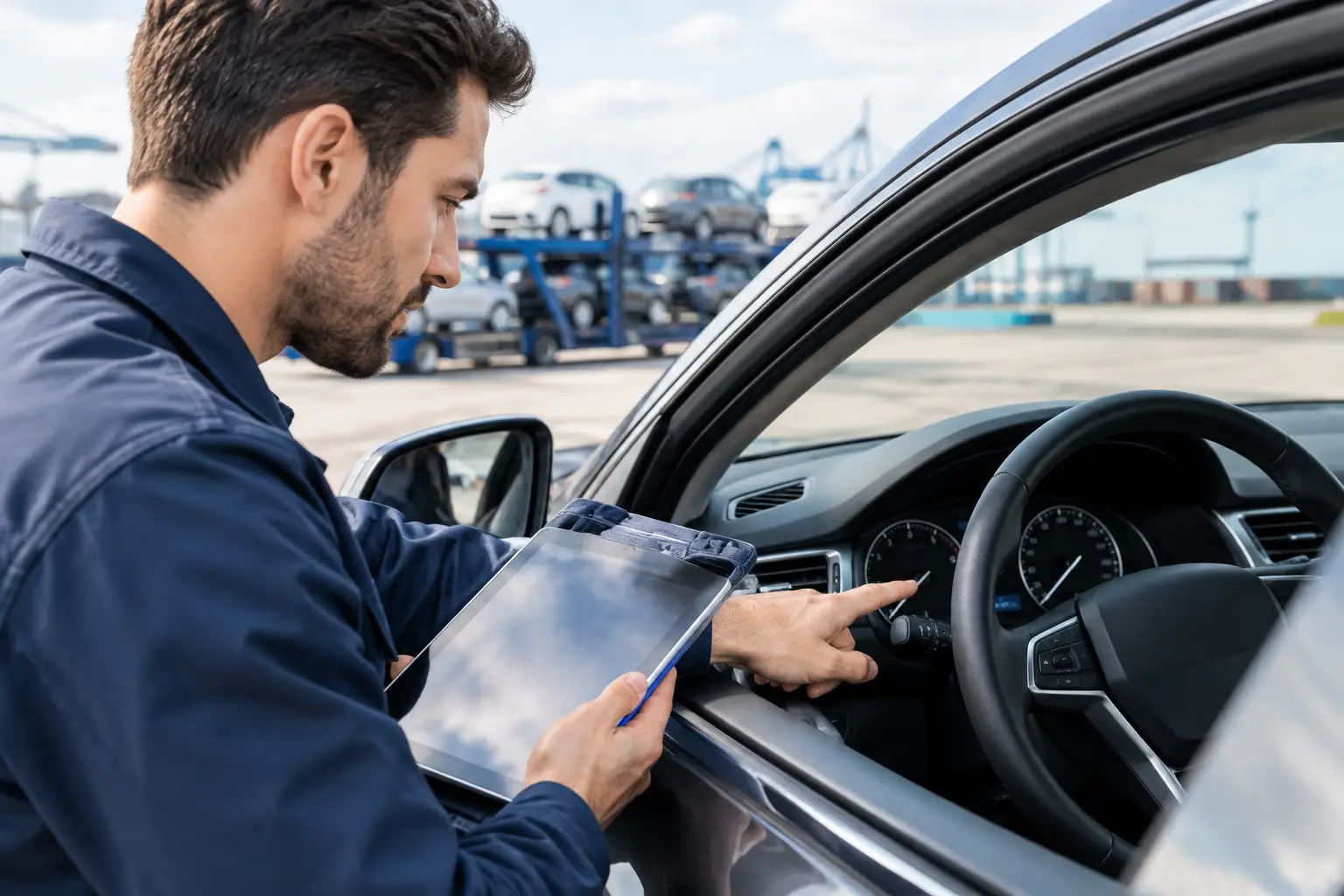
Buying from an auction listing is not the same as buying a car you have personally inspected. Auction grades are useful, but they are not a substitute for a thorough buyer-focused assessment. A grade can summarize overall condition while leaving important details in the comments: prior repair evidence, paint defects, interior wear, oil seepage, corrosion, warning lights, tire condition, or modifications that affect value and compliance.
A capable Japan-based partner should translate and interpret the auction report, not simply forward it. They should explain what the grade means in context, identify concerns visible in person, and tell you when the car is not the right buy. That candor matters more than winning every auction.
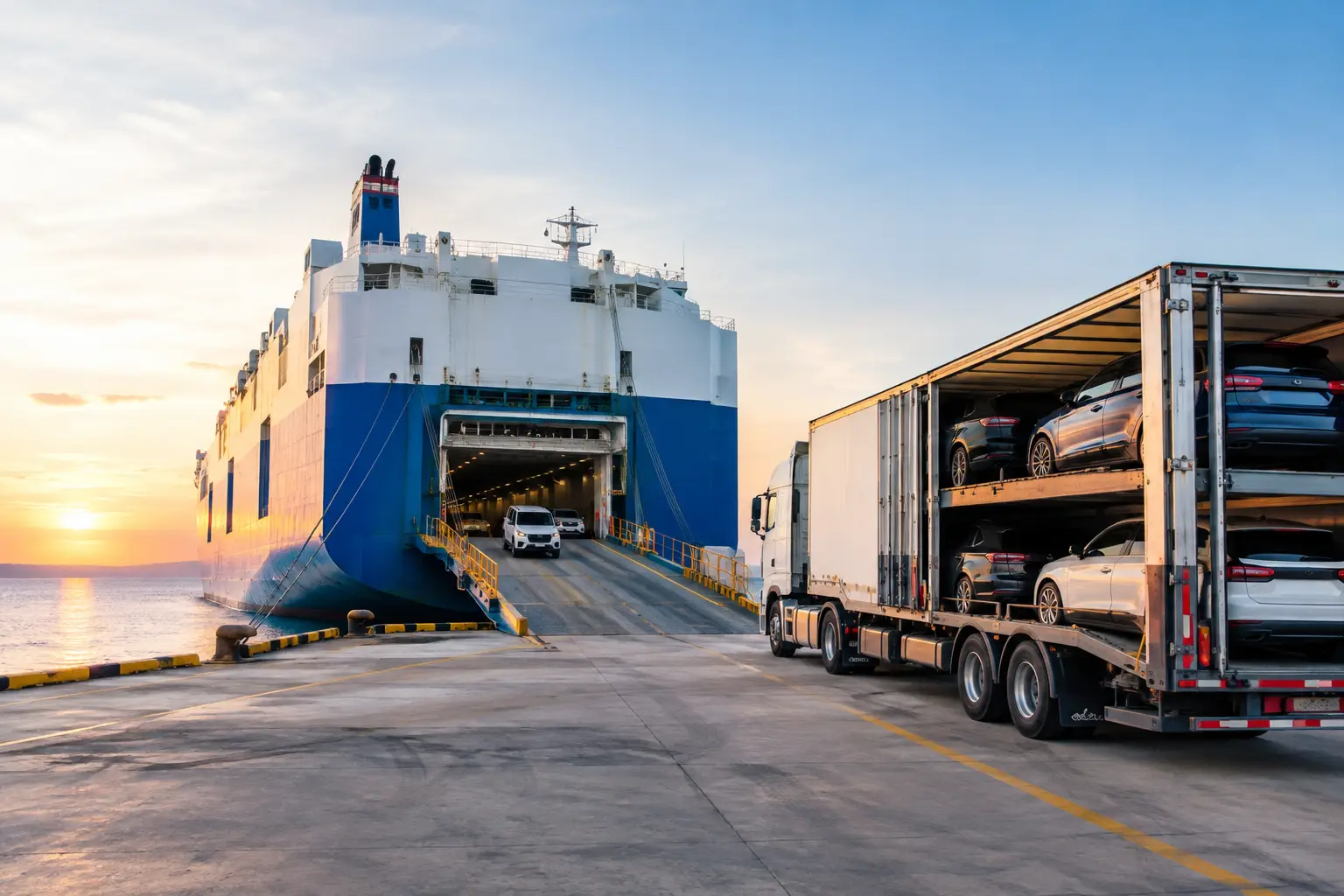
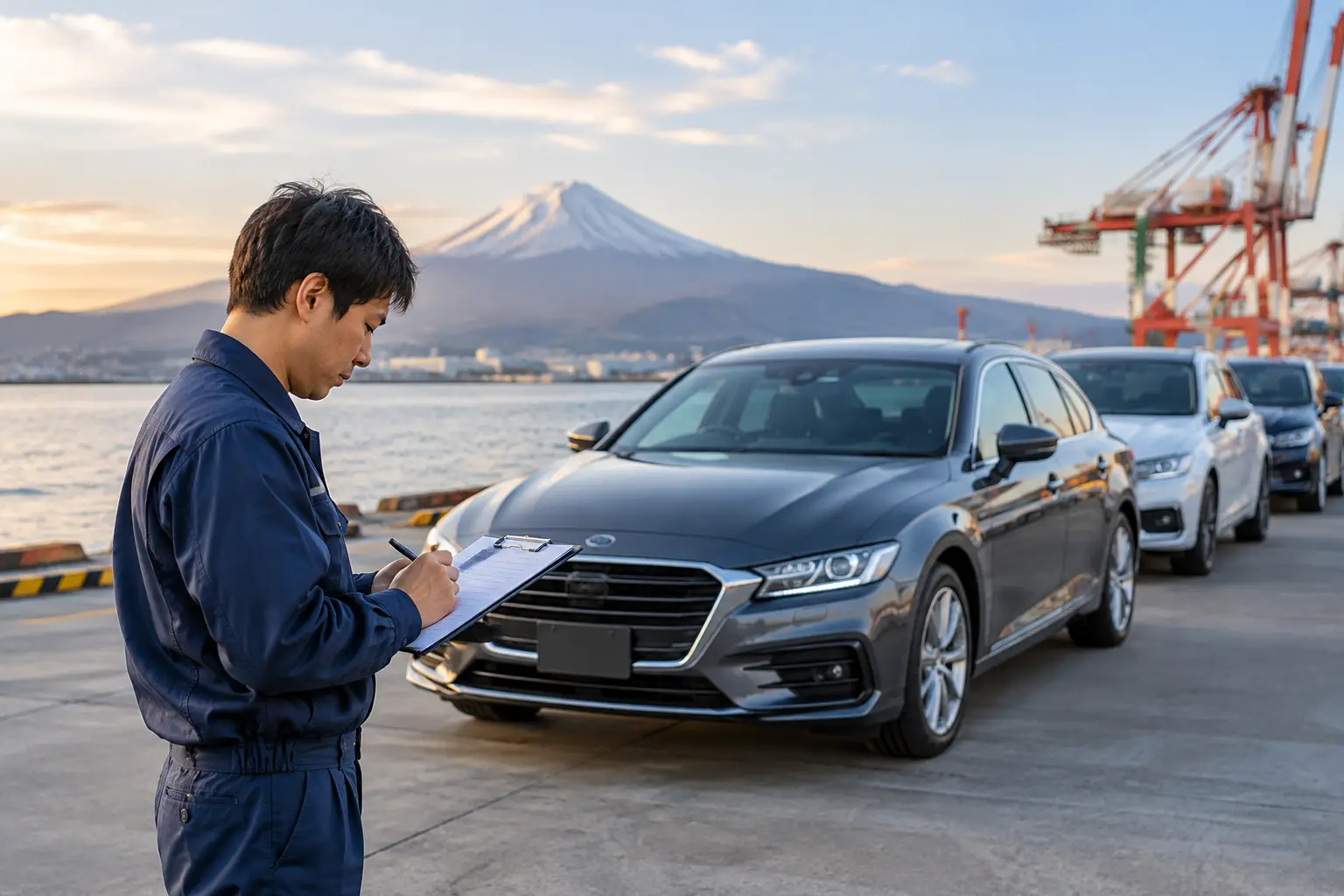
The export side also covers the operational work that follows a purchase. This includes collecting the vehicle, arranging necessary inspections, preparing export documentation, coordinating inland transport and port delivery, and booking ocean freight. For buyers who want direct auction access, it also means having someone on the ground who can inspect the exact vehicle before bidding rather than relying on listing photos alone.
Direct Imported Japan provides this hands-on representation from Japan, including auction inspections, translated condition reporting, odometer verification options, documentation, and shipping coordination. The purpose is simple: you should know what you are buying, what it will cost, and what still needs to happen before it reaches your port.
The U.S. Rules That Change the Answer
For many enthusiasts, the 25-year rule is the starting point. A vehicle that is at least 25 years old from its date of manufacture is generally exempt from Federal Motor Vehicle Safety Standards administered by NHTSA. That is why vehicles such as early Skyline GT-Rs and other qualifying Japanese-market cars can be imported without being brought into full U.S. safety compliance.
That does not mean every 25-year-old vehicle automatically clears every requirement. EPA emissions rules are separate from NHTSA safety rules. Importers must use the correct EPA declaration, and the applicable exemption or compliance pathway depends on the vehicle and its age. Customs entry also requires accurate declarations, the bill of lading, foreign registration or export certificate, purchase documentation, and other records requested for entry.
Vehicles under 25 years old require far more caution. Some can be imported temporarily or through narrow compliance pathways, but a car being available at a Japanese auction does not make it eligible for permanent U.S. road use. Do not bid first and investigate federal admissibility later. Confirm the exact model year, manufacture date, emissions status, and legal import route before funds are committed.
State rules deserve the same respect. A federally admissible car may still need a title inspection, emissions testing, VIN verification, or other documentation before it can be registered in your state. Your customs broker handles customs entry, not necessarily title and registration at home.
When You Can Manage More Yourself
Some experienced buyers choose a lighter-touch approach. If you have imported before, understand auction grading, have a trustworthy inspection contact in Japan, and can confidently manage a customs entry, you may decide to handle certain steps yourself.
That approach can work best with a simple import: one clearly eligible vehicle, a known shipping route, complete documents, and a buyer prepared to respond quickly to requests from the carrier, port, or government agencies. Even then, do not confuse familiarity with certainty. A missed deadline at the port can cost more than the professional assistance you declined.
Self-management becomes less attractive when any detail is uncertain. Examples include a modified vehicle, questionable auction comments, an unusual model, a title-document discrepancy, a container shipment with multiple parties, or a purchase intended for resale. These are the situations where knowledgeable review pays for itself.
Ask Who Owns Each Step
The best arrangement is not necessarily a single company doing everything. It is an arrangement where responsibility is clear. Before purchasing, know who is inspecting the vehicle, who is checking the auction report, who is confirming the export certificate, who is booking shipping, who will file the customs entry, and who will contact you if the port asks a question.
Ask for pricing to be separated clearly. The auction purchase price is only one part of the transaction. Additional costs may include auction fees, inland transport in Japan, export service charges, documentation, ocean freight, marine insurance, port handling, customs brokerage, duty, taxes, and inland delivery in the United States. Honest pricing does not mean every cost is fixed. Freight and port charges can change. It does mean you can see which party is charging for what.
Also ask what happens when an inspection finds a problem. A broker or exporter who only tells you positive news is not protecting your budget. You need someone willing to say that the underbody condition is worse than expected, the repair history affects value, or the car should be passed over. Walking away before a bid is often the cheapest decision in the whole import process.
Build the Import Around the Vehicle, Not the Hype
A rare JDM vehicle can be a rewarding purchase, but it deserves the same discipline as any major acquisition. Start with eligibility, then condition, then total landed cost. Put trusted people in place on both sides of the ocean before the auction date, not after the vessel has departed.
The right broker and export partner do more than move paperwork. They give you clear answers when the auction sheet is vague, the shipping timeline shifts, or a customs question needs attention. That practical support lets you focus on the car you chose, with a realistic understanding of what it takes to get it home.