How to Import Kei Trucks to Australia Safely
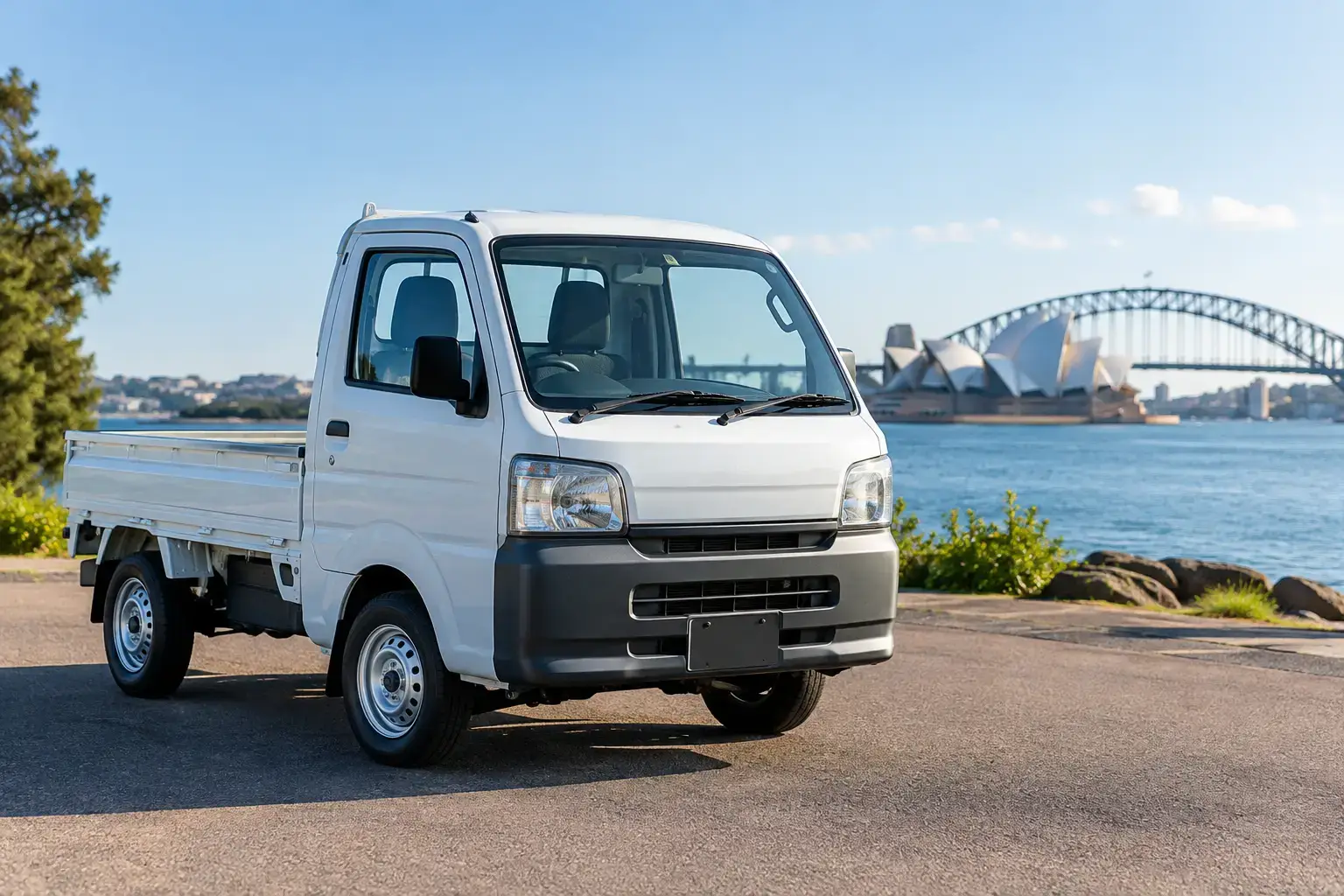
A Japanese kei truck can be one of the most useful small vehicles you will ever own. Its compact footprint, four-wheel-drive options, folding bed sides, and simple mechanical design make it a practical fit for acreage, worksites, resorts, and niche commercial use. But importing kei trucks to Australia is not simply a matter of winning an auction and booking a vessel. The vehicle’s age, import pathway, condition, biosecurity status, and state registration rules must all line up before it leaves Japan.
The right approach is to confirm eligibility first, inspect the specific truck second, and treat shipping and customs as a controlled process rather than an afterthought. That order protects you from buying a good-looking truck that cannot be used as intended after arrival.
Import Kei Trucks Australia Buyers Can Register
The first question is not whether you can buy the truck. It is whether you can import and register that exact truck in the Australian state where it will live.
For many buyers, a kei truck that is at least 25 years old is the most straightforward option. Vehicles 25 years or older are generally outside the Road Vehicle Standards framework that applies to newer imports. That can remove a major hurdle at the federal level, but it does not create an automatic right to register the vehicle for road use.
Each state and territory applies its own registration, inspection, modification, and safety requirements. A 1990s Suzuki Carry, Daihatsu Hijet, Honda Acty, Subaru Sambar, or Mitsubishi Minicab may be eligible for registration in one jurisdiction yet require additional evidence, engineering, or changes in another. Intended use matters too. A truck bought for farm or private-property use may have a different practical path than one intended for daily urban driving.
Newer kei trucks need extra caution
A newer kei truck is not necessarily impossible to import, but it must fit an approved import pathway before shipment. That may involve the Specialist and Enthusiast Vehicle Scheme or another applicable approval route. Do not assume that because a model is common in Japan, or available for sale through an exporter, it can be privately imported and registered in Australia.
Confirm the exact model, build date, chassis number, compliance situation, and intended state of registration before bidding. This is particularly important with late-model automatic, turbocharged, hybrid, or heavily optioned trucks, where the details can affect eligibility.
Start With the Truck’s Real Condition
Kei trucks are affordable in Japan partly because many were working vehicles. A low auction price can reflect cosmetic wear, corrosion, prior repairs, a tired clutch, worn suspension, or an underbody that will create problems during Australian inspection. A clean cabin and fresh paint do not settle those questions.
Japanese auction grades are useful, but they are not a mechanical warranty. A grade 4 truck can still have underbody rust, oil seepage, worn tires, air-conditioning faults, or a noisy transmission. Conversely, a grade 3.5 work truck may be an honest, well-maintained vehicle with the superficial bed and cabin wear expected of its age.
A proper pre-purchase inspection should focus on the areas that auction photos routinely miss: chassis and cab-floor rust, frame repairs, suspension mounts, oil and coolant leaks, clutch operation, gearbox noise, CV boots, tire age, bed condition, and signs of hard agricultural use. For four-wheel-drive models, the selector operation and front driveline should be checked as well.
This is where physical auction attendance has real value. A translated auction sheet tells you what was declared. An experienced inspector can tell you whether the declared condition matches the vehicle in front of them and whether a flaw is minor, expensive, or likely to affect import and registration plans.
Treat Odometer and Documentation as Separate Checks
A kei truck may show modest kilometers because it spent its life on a farm, construction site, or local delivery route. It may also have spent years in stop-start, heavy-load service. Mileage alone is not condition.
Ask for the auction history where available, service records, and independent odometer verification. JEVIC odometer certification can provide valuable evidence of recorded mileage history, but it should be considered alongside the auction report and physical inspection. Inconsistencies deserve an answer before you purchase, not after the truck reaches an Australian port.
The export file should also be complete and consistent. Chassis number, engine number where required, build date, exporter details, bill of lading information, and export certificate all need to match the vehicle and the import approval pathway. Small paperwork errors can create delays that cost far more than correcting them in Japan.
Pre-Shipment Inspection, Biosecurity, and Asbestos
Australia takes biosecurity seriously, and kei trucks are frequent targets for extra attention because they are commonly used in rural or industrial environments. Mud in the wheel arches, grass beneath the bed, seeds in the cabin, animal hair, insects, and oily underbody buildup can lead to cleaning directions or inspection delays on arrival.
Cleaning needs to be more than a quick exterior wash. The undercarriage, engine bay, tray, spare-wheel area, wheel wells, cabin floor, and any toolboxes should be checked before loading. If the truck has spent time on a farm, expect that it may need a more thorough clean than a city-use vehicle.
Depending on the vehicle and its import pathway, a pre-export inspection may be required through an approved provider such as JEVIC, QISJ, or EAA. Requirements can change, so confirm the current process for your specific shipment rather than relying on a forum post or an old quote.
Asbestos compliance also requires care. Australia prohibits the import of asbestos-containing materials. Older Japanese vehicles can raise questions around components such as gaskets, heat shields, friction materials, and insulation. A supplier should not make casual assumptions. Obtain the appropriate declarations and supporting evidence for the vehicle’s age and components, then keep the documents with the import file.
Shipping and Customs Costs Need a Full Budget
Most kei trucks move to Australia by roll-on/roll-off shipping or in a container. RoRo can be economical for a single running vehicle, while a container may make sense for a higher-value truck, a non-running vehicle, spare parts that are permitted to ship with it, or a consolidated purchase. The right choice depends on the departure schedule, destination port, truck condition, and your risk preference.
Your landed-cost budget should include the purchase price, auction and export fees, inland transport in Japan, inspection costs, shipping, marine insurance, customs brokerage, port handling, biosecurity charges, local delivery, and registration work. The purchase price is only one line item.
Customs duty may apply depending on tariff classification, the truck’s origin, and whether the required documentation supports preferential treatment under an applicable trade agreement. GST is generally charged at 10 percent on a customs-calculated value that includes more than the auction hammer price. Luxury Car Tax is unlikely to affect a kei truck in most cases, but tax and duty treatment should be confirmed with a qualified Australian customs broker before the vehicle ships.
A candid importer will show these items separately. Clear pricing lets you compare vehicles honestly and prevents a cheap auction win from becoming an expensive surprise at the port.
Plan Registration Before the Vessel Sails
Once the truck lands, it may need customs clearance, biosecurity release, state inspection, identity checks, roadworthy work, insurance, and registration. Requirements vary by state, and some vehicles may need items such as compliant lighting, tires, glass, seatbelts, or other safety-related repairs before they pass.
Do not order accessories, lift kits, oversized tires, or aftermarket lighting for immediate installation without checking the local rules. Modifications that are acceptable in Japan can complicate inspection in Australia. A largely original, mechanically sound truck is usually the easiest starting point.
For buyers who want a truck for a business fleet or resale inventory, build the process around repeatable documentation. Keep inspection reports, shipping records, odometer evidence, customs documents, and invoices organized by chassis number. That discipline protects the resale story and gives the next owner confidence in what they are buying.
Direct Imported Japan can provide the hands-on Japan-side work that makes this process more controlled: auction access, physical inspections, translated reports, odometer verification, export documents, and shipping coordination. The Australian approval, customs, and registration side still needs to be planned for the destination and vehicle in question.
A kei truck is a small purchase only on paper. Buy the right age and model, insist on an honest condition report, and clear the import path before you bid. Done carefully, you will have a compact Japanese workhorse that earns its place long after the novelty wears off.