Export Logistics for Japanese Vehicle Buyers

A vehicle can be bought at a Japanese auction in minutes. Getting it legally, safely, and predictably to your driveway or dealership is the longer job. Export logistics is the chain of inspections, paperwork, port handling, ocean freight, customs processing, and final delivery that begins after the winning bid. When one link is overlooked, a good purchase can turn into avoidable storage fees, delays, or a vehicle that cannot be released from the port.
For buyers outside Japan, the practical question is not simply, “Can this vehicle ship?” It is whether the car meets your country’s import rules, has the right documentation, and can move through each handoff without surprises. That requires planning before bidding, not after the vessel has departed.
What Export Logistics Covers After You Buy
The export process starts with a confirmed purchase and payment, but auction settlement is only the first milestone. The vehicle must be collected from the auction, moved to secure storage or a preparation yard, checked against the auction sheet and chassis number, and prepared for export. A professional exporter should confirm the exact vehicle received, not assume the auction listing tells the whole story.
Condition still matters after the hammer falls. A vehicle may need an additional inspection, photos of underbody rust or repairs, confirmation of accessories, and a battery or tire assessment before shipment. This is especially relevant for older JDM vehicles, where auction grade alone does not explain the full condition of suspension components, rubber seals, paintwork, or previous modifications.
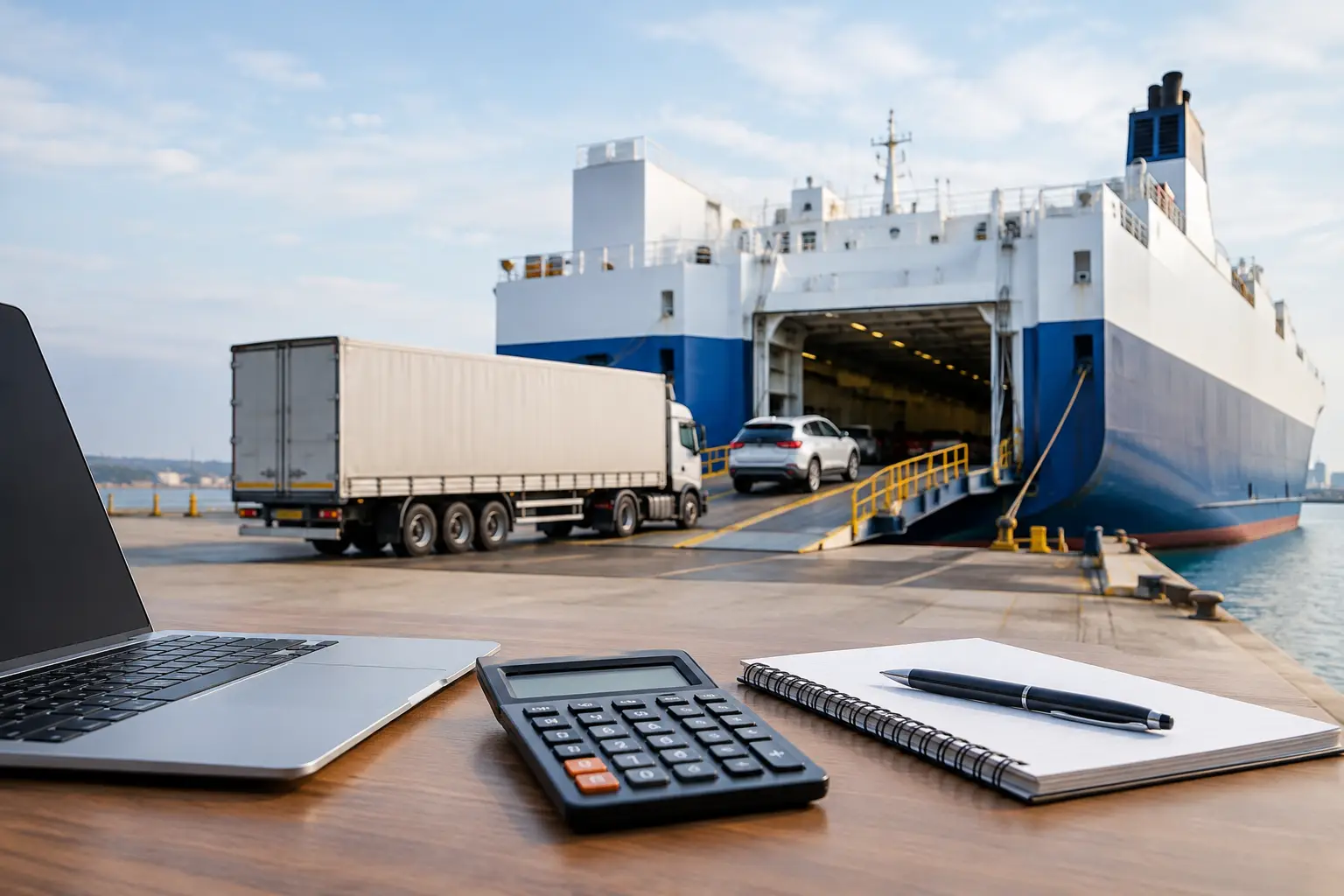
From there, the shipment must be booked. Most vehicles move by roll-on/roll-off, commonly called RoRo, where the car is driven onto and off the vessel. RoRo is usually the most economical option for a running vehicle, but it does not offer the same level of enclosed protection as container shipping. A container can be the better choice for a high-value collector vehicle, a non-running project, or a shipment that includes properly declared parts. The right choice depends on the vehicle, route, budget, and risk tolerance.
Confirm Import Eligibility Before You Bid
The biggest export logistics mistake is treating eligibility as a port-side issue. It is a buying decision. Import rules differ sharply by destination, and an exporter in Japan cannot make an ineligible vehicle legal once it arrives overseas.
For U.S. buyers, the 25-year federal exemption is central to many JDM purchases. The exact manufacturing month matters, not just the model year shown in a listing. A vehicle advertised as a 2001 model may not be eligible until its true production date reaches the 25-year threshold. State registration requirements can add another layer, particularly for emissions testing, inspections, title processes, or right-hand-drive use.
Australia, Canada, the United Kingdom, New Zealand, and European markets each have their own age thresholds, compliance pathways, inspections, tax treatments, and registration standards. Canada’s 15-year rule is different from the U.S. rule. Australia may require eligibility and compliance approvals before shipping. The United Kingdom and European destinations can involve vehicle approval, tax, and registration procedures that vary by country.
Do not rely on a forum post, a seller’s statement, or a model-year badge. Confirm the chassis number, build date, and destination-specific import route before placing a bid. If the vehicle is modified, assess those modifications early as well. Non-original lights, exhausts, seats, wheels, suspension, and engine changes may be accepted for export from Japan but create registration or inspection issues at destination.
The Documents That Keep the Shipment Moving
A shipment cannot clear on verbal assurances. Customs authorities, shipping lines, port operators, and registration agencies work from documents, and a mismatch can hold a vehicle up.
The core export file commonly includes the bill of lading, commercial invoice, export certificate or deregistration paperwork, and translated documents where needed. Depending on the destination, the buyer may also need proof of identity, a customs entry, an import declaration, tax records, safety or compliance approvals, and odometer evidence.
The bill of lading deserves particular attention. It identifies the shipper, consignee, vessel, destination port, and vehicle details. The consignee information must match the party clearing the vehicle or the clearance arrangement used by the customs broker. A simple spelling error, outdated address, or incorrect chassis number can cause frustrating delays when the vehicle arrives.
Odometer verification is another area where careful buyers should demand evidence rather than assumptions. Japanese auction records can be useful, but they are not always enough for a destination’s requirements or for a buyer who intends to resell the vehicle. JEVIC certification, where applicable, adds an independent inspection record that can support confidence in the reported mileage. It is not a substitute for evaluating overall condition, but it is valuable documentation.
Pre-Shipment Inspections Are Not a Formality
Some destinations require a recognized pre-shipment inspection before the vehicle leaves Japan. Depending on the market, this may involve organizations and programs such as JEVIC, QISJ, or EAA. Requirements can change, and the needed inspection depends on both the destination and the type of vehicle.
The timing is critical. If an inspection is mandatory, arranging it after the vehicle is already delivered to the port can mean missing the intended vessel. If the vehicle fails because of contamination, damaged glass, tire condition, or another correctable issue, there needs to be enough time for repairs and reinspection.
A thorough exporter also looks beyond mandatory inspection requirements. Underbody photos, cold-start videos, paint observations, tire date codes, fluid leaks, warning lights, and signs of corrosion give a remote buyer information that auction photos rarely provide. This is where physical presence in Japan matters. Do we sit behind a computer? No. The vehicle needs real eyes on it before it is committed to an ocean crossing.
Shipping Schedules and Port Reality
Ocean transit is not the only time in the shipping schedule. A vehicle may wait for inland transport, an inspection appointment, a vessel booking, port acceptance, loading, and customs release at destination. Seasonal congestion, weather, vessel rollovers, labor disruptions, and port backlogs can all affect the timeline.
RoRo schedules are route-dependent. A direct sailing may be available to a major port, while another destination requires transshipment or inland movement after arrival. Container schedules can offer different routing options but may involve loading coordination, securing costs, and longer handling time. The lowest freight quote is not always the best value if it leaves the buyer with unclear delivery terms or high destination charges.
Ask early whether the quote covers freight only, shipment to the destination port, customs clearance, or delivery to a final address. Those are very different services. Clear and honest pricing means separating the Japanese-side costs from destination-side costs rather than making a low initial number look more attractive than it is.
Customs Clearance and Final Delivery
Once the vehicle reaches the destination, the importer or customs broker must submit the required entry documents, pay applicable duty, taxes, and fees, and obtain release. For U.S. imports, buyers should also account for federal entry forms and any state-level requirements that follow. A customs broker can be extremely helpful, but the importer remains responsible for accurate information and compliance.
Port storage is where poor preparation becomes expensive. Most ports and terminals allow limited free time. If original documents are missing, payment has not cleared, customs is waiting for a correction, or a transporter has not been arranged, daily charges can build quickly. The same applies when a buyer assumes the port will hold the vehicle until they are ready to collect it.
Before the vessel arrives, have a named customs broker, a plan for duty and tax payment, insurance for inland transport, and a carrier booked or ready to dispatch. If the vehicle is headed to a dealership, confirm who will inspect it on arrival and document any transit damage immediately. If it is headed to a private buyer, confirm whether it can be driven from the port or needs to be trailered because of registration, insurance, mechanical condition, or local rules.
A Better Way to Manage Vehicle Export Logistics
The strongest export process starts before a buyer commits to a car. Verify eligibility, inspect the actual vehicle, choose the shipping method with full destination costs in view, and prepare the customs file before the vessel sails. That order reduces risk because it addresses the decisions that cannot be fixed cheaply later.
Direct Imported Japan approaches the process as a sourcing and export partnership, not a listing transaction. Auction access is useful, but the real value is knowing what is behind the grade, what must be documented, and what needs to happen before the vehicle reaches a port.
A good Japanese vehicle deserves more than a quick purchase and a vague shipping estimate. Give the logistics the same scrutiny you give the chassis, condition report, and auction grade, and the vehicle is far more likely to arrive as the purchase you intended to make.