How to Import Car From Japan to Australia Under SEVS
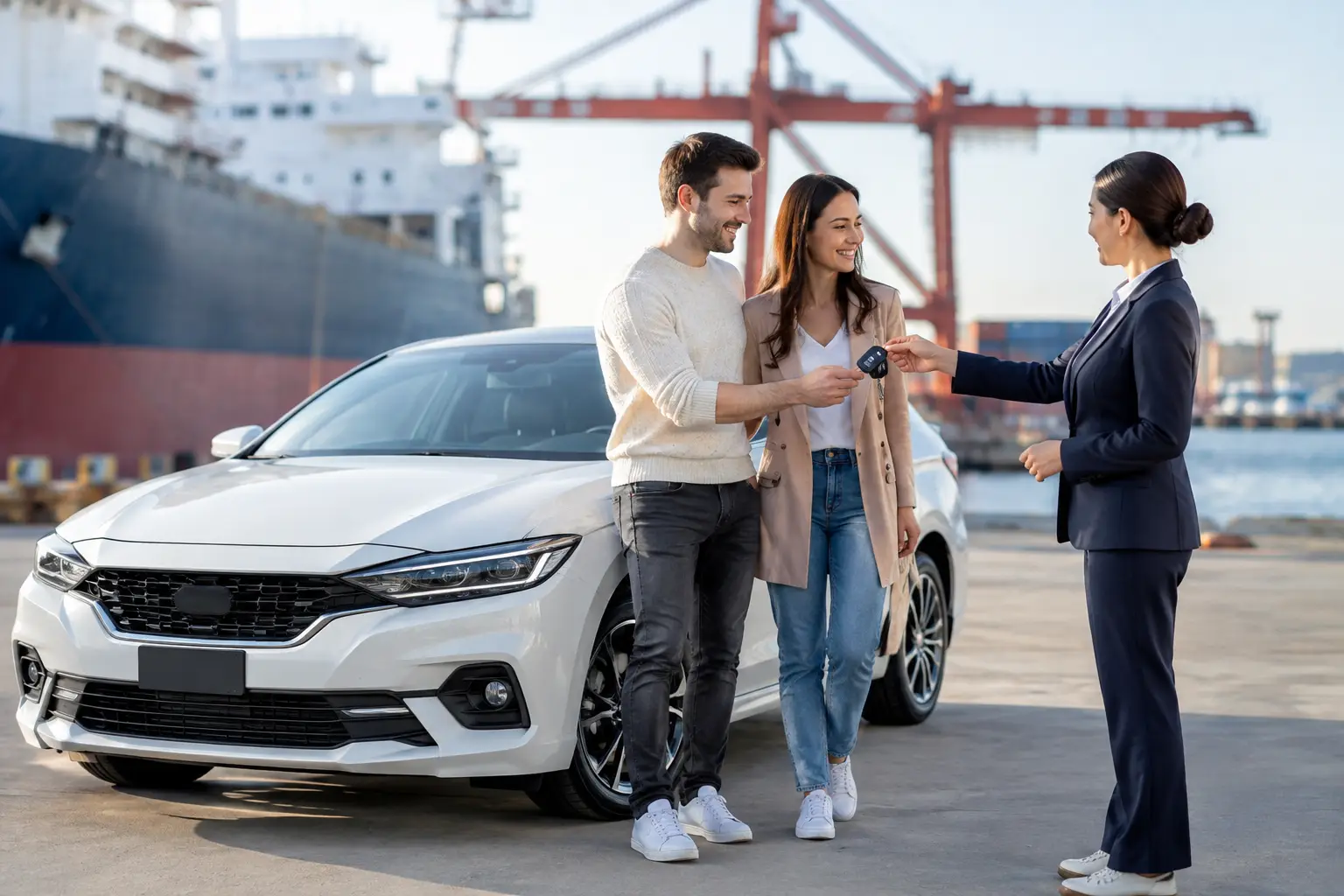
A Japanese-market performance car can look like a straightforward auction purchase until Australian compliance enters the picture. If you are researching how to import car from Japan to Australia under SEVS, the first rule is simple: do not bid on the vehicle until you know its exact model, variant, and build details can be processed through the Specialist and Enthusiast Vehicle Scheme.
SEVS is not a shortcut around Australian standards. It is the regulated pathway that allows eligible specialist vehicles to be imported, modified where required, entered on the Register of Approved Vehicles (RAV), and registered for road use. The right car, the right workshop, and accurate documents all matter.
What SEVS Actually Covers
The Specialist and Enthusiast Vehicle Scheme is designed for vehicles that offer characteristics not readily available in the Australian market. Eligibility can be based on performance, specialist construction, environmental performance, mobility features, or other criteria set by the Australian Government.
For a buyer sourcing in Japan, the practical point is this: a vehicle must be on the SEVS eligibility list in the relevant make, model, and variant configuration. A similar-looking car is not automatically eligible. Drivetrain, engine code, body style, transmission, production date, and factory specification can change the result.
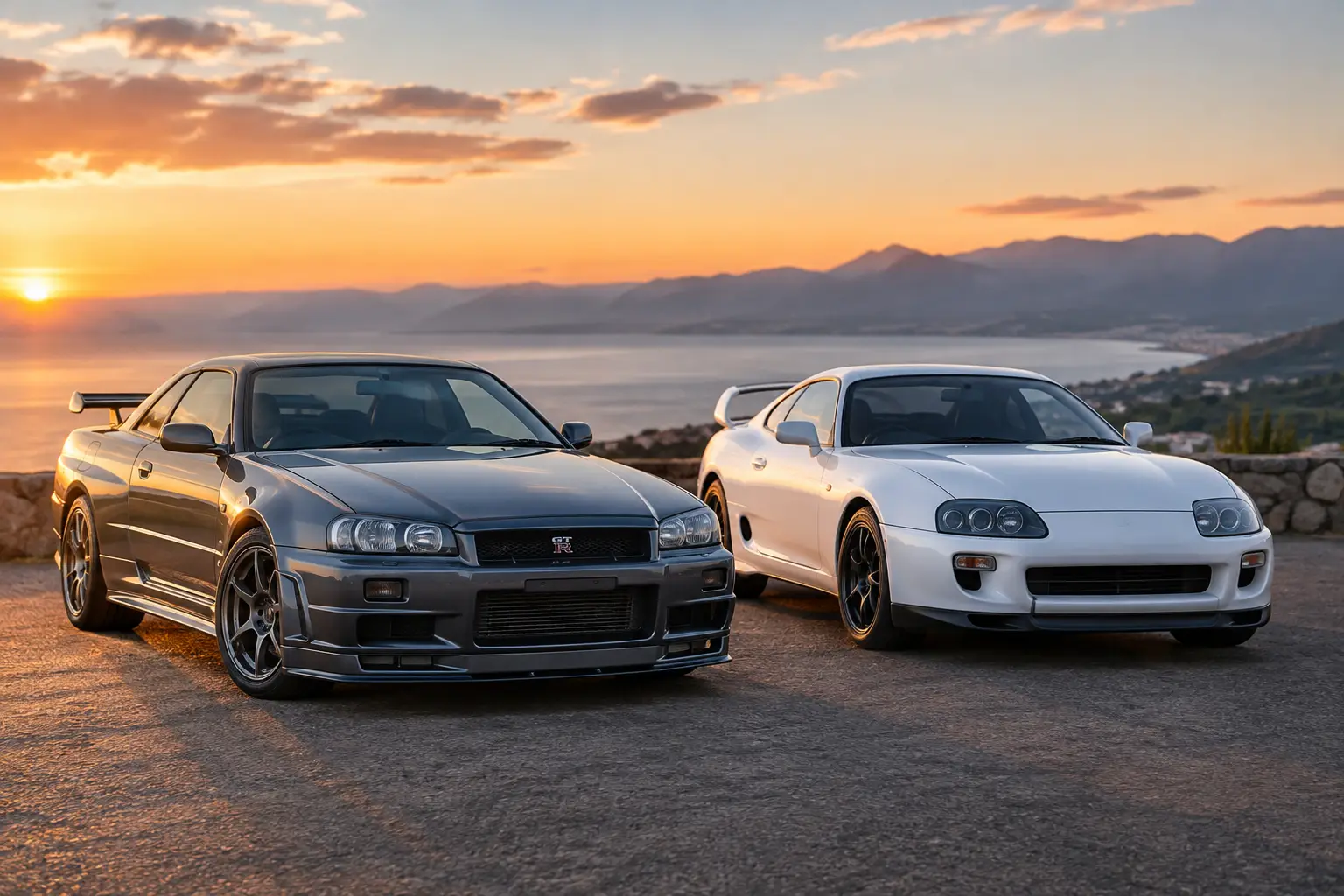
A Nissan Skyline, Toyota Supra, Honda Civic Type R, Mitsubishi Lancer Evolution, Subaru WRX STI, or European performance model sold in Japan may be eligible under SEVS, but you must verify the individual configuration. Never rely on a forum post, a seller description, or a broad statement that a model is “SEVS approved.”
SEVS eligibility is not the same as registration
An eligible vehicle still needs to go through the correct compliance process after it arrives in Australia. It must be handled by a Registered Automotive Workshop (RAWS) approved for that particular vehicle type. The workshop completes the required work and enters the vehicle on the RAV before it can be supplied to the market and registered.
That distinction catches many first-time buyers out. A car can be legal to source and ship yet still become expensive, delayed, or impractical if no suitable RAWS is available, the compliance package is unavailable, or the car has been altered beyond what the workshop will accept.
How to Import a Car From Japan to Australia Under SEVS
Start by identifying the exact vehicle you want, then speak with an Australian RAWS before you commit to a purchase. Give the workshop the full details you have available: chassis number format, model code, engine, transmission, year and month of manufacture, body type, and any modifications.
Ask whether it is eligible under the current SEVS criteria, whether the workshop has approval to process that vehicle, what compliance work it expects, and whether it will accept a privately sourced auction vehicle. Some workshops only take cars they source themselves. Others will accept outside vehicles but may refuse examples with extensive modifications, accident history, rust, missing components, or non-standard engine work.
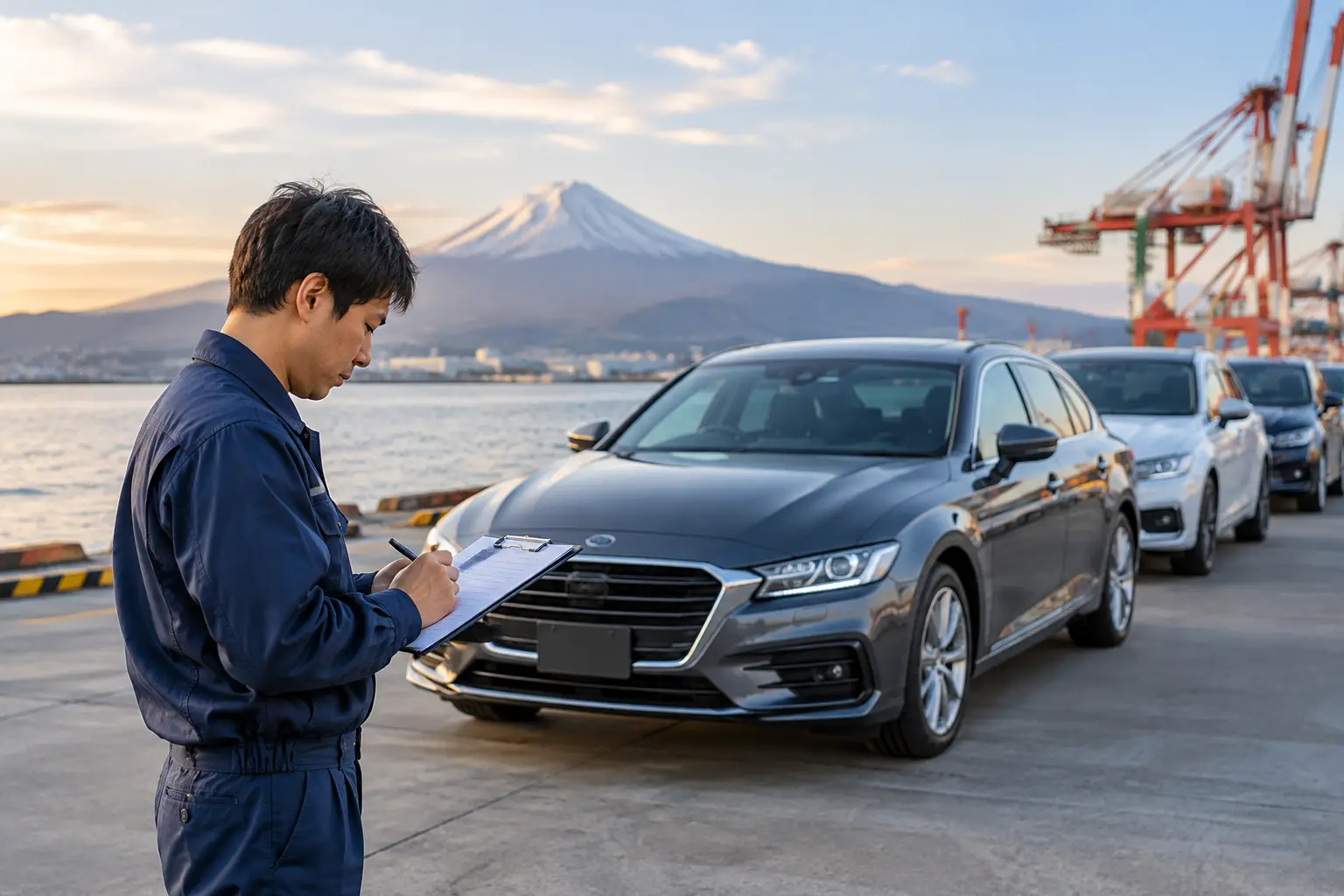
Once the compliance route is confirmed, the Japanese purchase process can begin. This is where an experienced exporter earns their place. Auction sheets need to be translated correctly, condition grades need context, and the car needs a physical inspection where the value or risk justifies it.
A high auction grade does not mean flawless. It may still have underbody corrosion, old tires, leaking suspension, aftermarket wiring, worn interior trim, paintwork, or modifications that complicate compliance. Conversely, an honest Grade 3.5 or 4 car can be a better buy than a polished example with incomplete history. The goal is not simply to buy the lowest-mileage car. It is to buy one that can be complianced without surprises.
Check the Car Before You Bid
Japanese auction catalogs are useful, but they are not a substitute for seeing the vehicle. The auction sheet records visible condition at the time of inspection, and it does not guarantee that every mechanical or compliance issue has been identified.
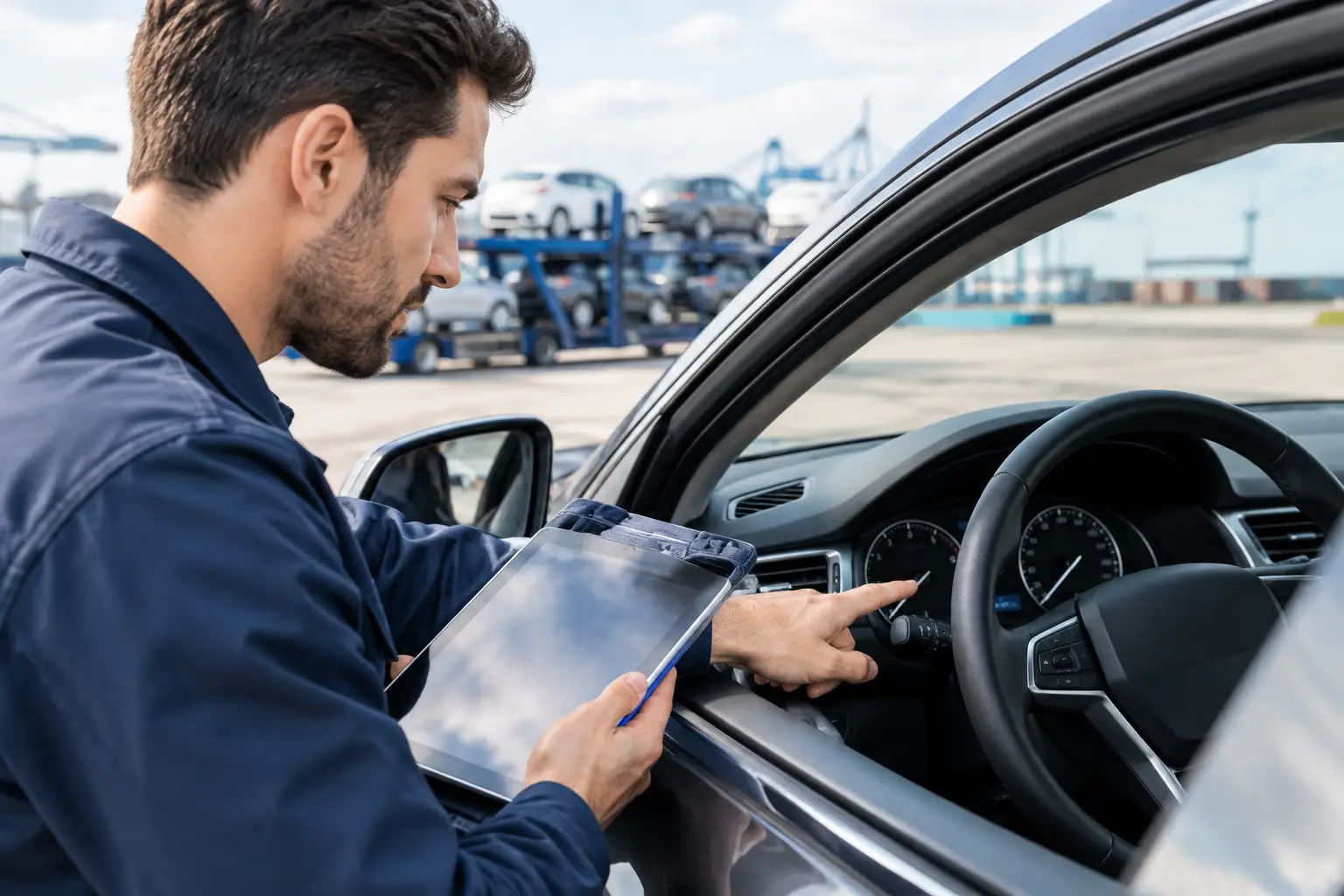
Before bidding, confirm the auction grade, repair history notation, chassis number, odometer reading, service records, and modification list. Request clear photos of the underbody, engine bay, suspension, wheels, interior, trunk floor, and any marked damage. For higher-value cars, an in-person inspection can reveal oil leaks, corrosion, poor previous repairs, smoke on start-up, warning lights, and modifications that may not be obvious in standard auction photos.
Pay particular attention to changes that can create Australian compliance problems. These include non-original seats or steering wheels, aftermarket headlights, loud exhaust systems, altered suspension geometry, removed catalytic converters, engine swaps, and damaged or missing safety equipment. Buying a heavily modified Japanese street car can look attractive at auction, but returning it to an acceptable standard can cost more than buying a cleaner original example.
Odometer verification also deserves careful attention. A credible export partner should compare auction history, inspection records, and available documentation rather than accepting a dashboard reading at face value. Where applicable, JEVIC odometer certification adds another layer of confidence for buyers who need a documented record.
Arrange Compliance, Shipping, and Documents in the Right Order
After purchase, your exporter should organize the export certificate or deregistration paperwork, bill of lading, commercial invoice, packing information where applicable, and other documents required by the shipping line, customs broker, and compliance workshop. Names, VIN or chassis details, and values must match across the file. Small paperwork errors can delay customs processing at the port.
Your RAWS will manage the concessional RAV entry approval and compliance side of the process for the vehicle it is accepting. Confirm its instructions before booking shipment. Australia’s road-vehicle rules are detailed, and requirements can change. The workshop is responsible for its approved process, so its requirements take priority over assumptions made at the time of purchase.
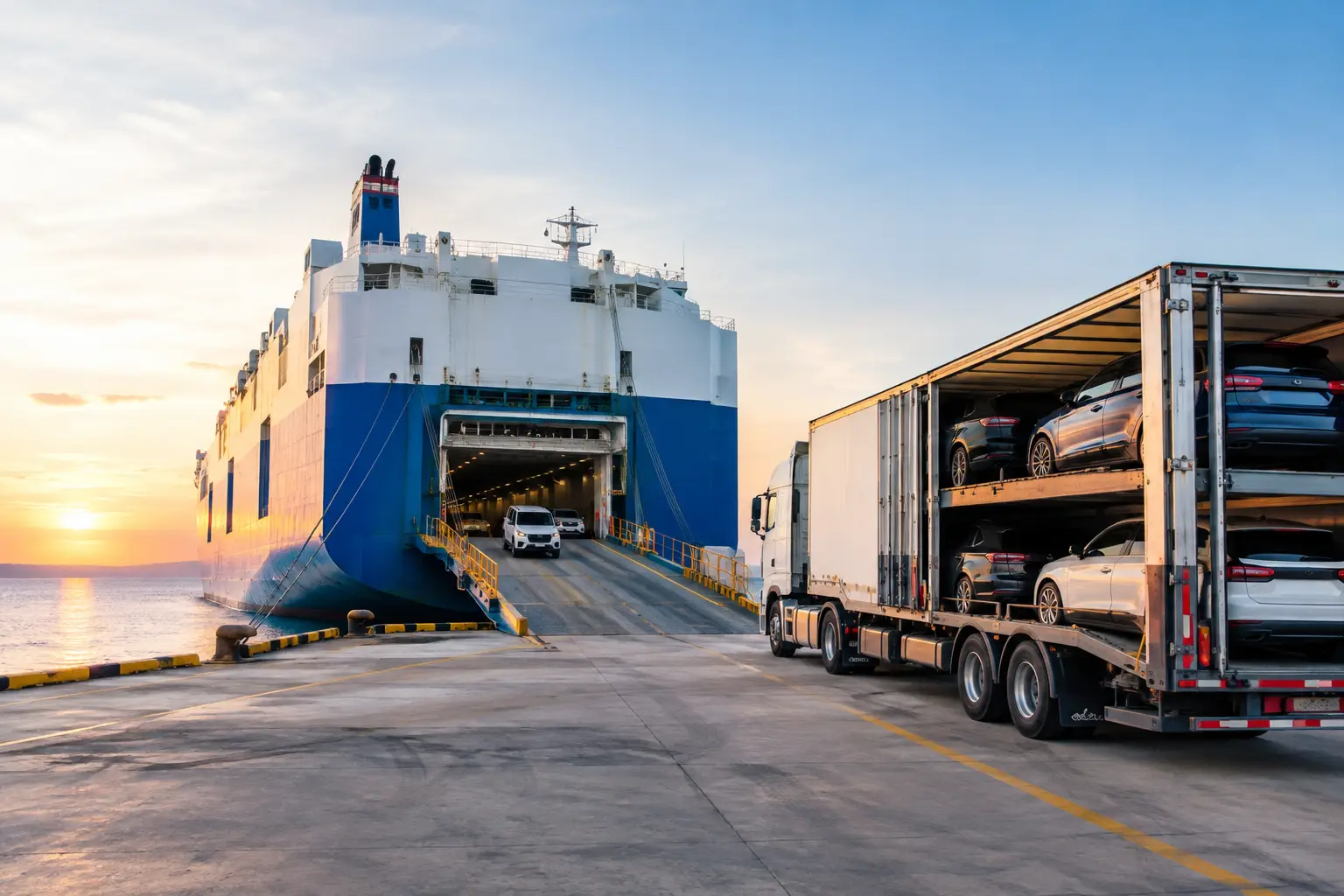
Shipping is usually arranged as either roll-on/roll-off or container freight. Roll-on/roll-off can be cost-effective for a standard running vehicle, while a container may suit valuable vehicles, non-runners, loose parts, or buyers who want additional handling control. Neither method makes a car immune to transport risk, so photograph the vehicle before it leaves Japan and make sure marine insurance is considered.
Do not fill the vehicle with personal items. Australian border requirements are strict, and undeclared goods or dirty vehicles can create avoidable problems.
Budget Beyond the Japanese Purchase Price
The auction hammer price is only the beginning. A realistic Australian SEVS budget includes Japanese auction and export charges, inland transport, shipping, marine insurance, port charges, customs broker fees, biosecurity inspection or cleaning if required, customs duty where applicable, GST, Luxury Car Tax if the relevant threshold and conditions apply, RAWS compliance, RAV entry, state inspection, registration, and stamp duty.
Duty and tax calculations depend on the vehicle, its customs value, freight and insurance, applicable tariff treatment, and current Australian rules. Do not assume a flat figure based on another buyer’s experience. Ask your customs broker for an estimate using the specific vehicle price and shipping quote.
Compliance costs also vary widely. A clean, standard vehicle that a workshop processes regularly is usually the lower-risk proposition. An uncommon variant, a car with accident repairs, a heavily modified example, or one requiring replacement parts can change the cost and timeline quickly.
Biosecurity Is a Real Port Risk
Australia takes biosecurity seriously, and Japanese vehicles are regularly inspected for soil, leaves, insects, animal material, and contamination in areas such as wheel arches, undertrays, engine bays, trunks, and interiors. An otherwise excellent car can be held for cleaning if it arrives dirty.
Have the vehicle cleaned properly before export, including the underbody. This is not cosmetic detailing. It is a practical step that can reduce inspection issues and unexpected costs after arrival.
Avoid the Most Expensive Mistake
The biggest mistake is buying first and asking compliance questions later. A low auction price does not make a car a bargain if the RAWS will not take it, the variant is not eligible, or the modification history makes compliance uneconomic.
The safer process is to line up the Australian workshop, verify the precise SEVS eligibility, inspect the actual Japanese vehicle, then bid to a budget that includes every landed and compliance cost. Direct Imported Japan can support that Japan-side work with auction access, physical inspections, translated reports, documentation, and export coordination, while your Australian RAWS handles the regulated local pathway.
A well-bought Japanese import should arrive as a vehicle you are excited to own, not a file of unexpected invoices. Put the verification work ahead of the auction bid, and you give yourself the best chance of bringing the right car into Australia legally and with clear eyes.