How to Import a Car From Japan With Confidence
A clean auction sheet can look reassuring from thousands of miles away. It is not a substitute for someone standing beside the vehicle, checking its condition, reading the Japanese notes correctly, and asking the questions a photo cannot answer. If you plan to import a car from Japan, the vehicle itself is only one part of the purchase. Inspection quality, export paperwork, shipping, and your country's import rules determine whether the experience feels controlled or expensive.
Japan offers an exceptional supply of well-kept vehicles, rare JDM models, performance cars, vans, trucks, and low-mileage daily drivers. It also has a fast-moving auction system built for trade professionals. Buyers outside Japan can access that market successfully, but they need a process that replaces the visibility they lose by buying remotely.
Start With Import Eligibility Before You Choose a Car
The first question is not whether a vehicle is available. It is whether you can legally register and use it where you live.
For US buyers, the 25-year rule is often central to the decision. A vehicle that is at least 25 years old is generally exempt from Federal Motor Vehicle Safety Standards, while the Environmental Protection Agency has its own age-based exemption framework. The exact model year, production date, emissions status, state registration rules, and any modifications still matter. California buyers, in particular, should verify state emissions requirements before committing to a vehicle.
Australia, New Zealand, Canada, the United Kingdom, and other markets each have separate age thresholds, approved-vehicle pathways, compliance requirements, and inspection rules. Do not assume that a car commonly imported into the United States will be simple to import elsewhere.
Confirm the following before bidding or placing a deposit: whether the vehicle is eligible, what documents your port and local registration authority require, the duty and tax treatment, and whether modifications will create a compliance issue. A good exporter can prepare the Japanese-side documents, but the buyer should understand the destination-country rules before the purchase becomes nonrefundable.
Set a Landed-Cost Budget, Not Just a Vehicle Budget
Auction results and advertised prices do not represent the amount you will have invested when the car reaches your driveway or dealership. The right budget accounts for the entire chain from purchase to release at the destination port.
Your landed cost usually includes the vehicle price, auction or sourcing fees, inland transport in Japan, export handling, ocean freight, marine insurance if selected, port charges, customs duty, taxes, broker fees, and transport from the arrival port. Repairs, tires, batteries, detailing, inspections, and state registration can add more after arrival.
There is no honest single price for every import because the destination, vehicle size, shipping method, exchange rate, and port all change the number. A kei truck moving in a shared container has different economics than a Skyline GT-R shipped roll-on/roll-off. The useful question is not, “What is the cheapest car?” It is, “What will this particular car cost me, delivered and ready for the next step?”
Ask for pricing that separates the vehicle cost from the services around it. Clear pricing makes comparisons possible and helps prevent a low initial quote from becoming a high final invoice.
Choose the Right Way to Import a Car From Japan
Most international buyers purchase through a Japanese exporter or auction agent. This is not simply a convenience. Japanese dealer auctions generally require local trade access, deposits, knowledge of auction rules, and fast decisions on auction day.
A full-service sourcing partner can search auction inventory, advise on market values, translate auction sheets, inspect selected vehicles, bid within an agreed limit, arrange payment, prepare export documents, and coordinate shipping. That structure is especially useful for first-time buyers, dealers working remotely, and collectors targeting vehicles with condition-sensitive value.
Available-stock listings can be a better fit when you want to move quickly or prefer a known, fixed vehicle over an auction bid. Auctions offer volume and variety, but no guarantee that a specific car will be won at your target price. A listed vehicle may cost more than a favorable auction purchase, yet it can reduce timing uncertainty.
Neither path is automatically better. Auction buying suits buyers who can wait for the right specification and accept that some bids will be unsuccessful. Stock vehicles suit buyers who prioritize a specific unit and a more predictable purchase timeline.
Treat the Auction Sheet as the Beginning of Due Diligence
Auction grades are useful, but they are shorthand. A grade does not tell the full story of paint quality, prior repairs, underbody corrosion, smoke odor, aftermarket wiring, clutch wear, turbo condition, or how a modified engine behaves under load.
The auction sheet should be translated and interpreted in context. Japanese notes may identify repainting, oil seepage, panel replacement, interior wear, warning lights, corrosion, accident history, or equipment issues. Diagram codes matter too, but their meaning is not always obvious to a first-time international buyer.
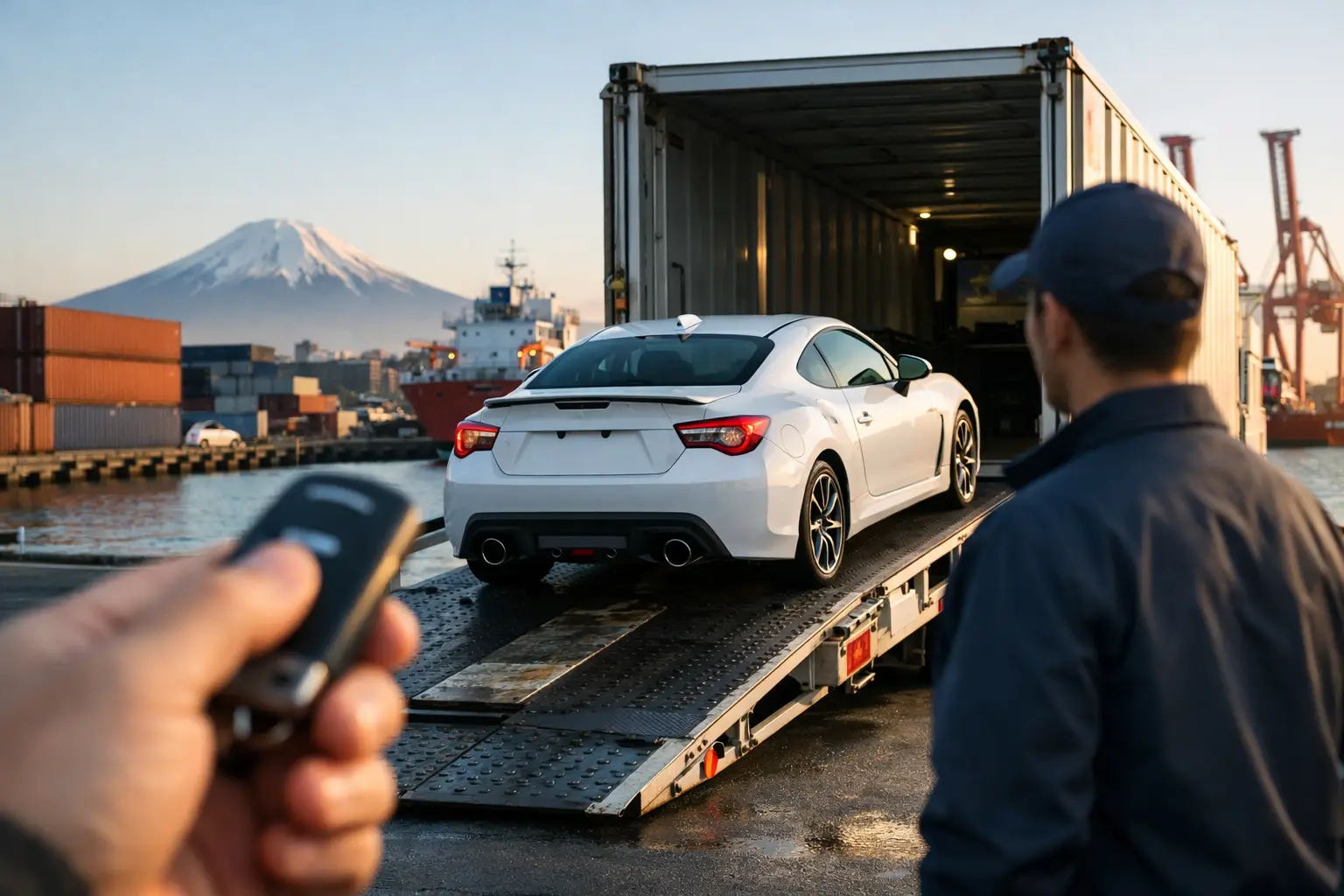
A physical inspection is where remote buying becomes more defensible. The inspector should compare the vehicle to the auction sheet, review the exterior and interior, check for visible rust and repairs, assess tires and basic mechanical condition, confirm chassis information, and provide high-resolution photos or video where practical. For enthusiast models, mechanical knowledge matters because modifications can either add value or create expensive unknowns.
Mileage deserves the same attention. Japan has a strong reputation for accurate records, but buyers should not treat any market as risk-free. Odometer verification and available maintenance history provide another layer of confidence. If a seller cannot clearly explain how mileage is checked, that is a reason to slow down.
Bid With Discipline, Especially on Popular JDM Cars
The excitement of a live auction can work against the buyer. This is common with sought-after cars such as Skyline GT-Rs, Supras, Aristos, Evos, and clean four-wheel-drive vans. A vehicle can look inexpensive before the bidding begins and finish well above its expected price once multiple buyers pursue it.
Set a maximum bid based on the complete landed cost, not on the auction screen alone. Factor in the auction grade, mileage, color, transmission, originality, modifications, and comparable recent sales. Leave room for the work that older Japanese vehicles often need after arrival, even when they present well.
Be candid about your priorities with your exporter. If you will accept a repaint but not rust, say so. If factory originality matters more than low mileage, make that clear. If you are a dealer, define the condition standard needed for your retail market. The more specific the brief, the better the search and inspection decisions will be.
Get Documentation and Shipping Right
After purchase, the vehicle must be released from the auction or seller, prepared for export, transported to the port, and loaded for shipment. The exporter typically manages the Japanese export certificate, bill of lading, invoice, packing details where applicable, and other required paperwork. Your customs broker or destination-side representative will use those documents to clear the vehicle on arrival.
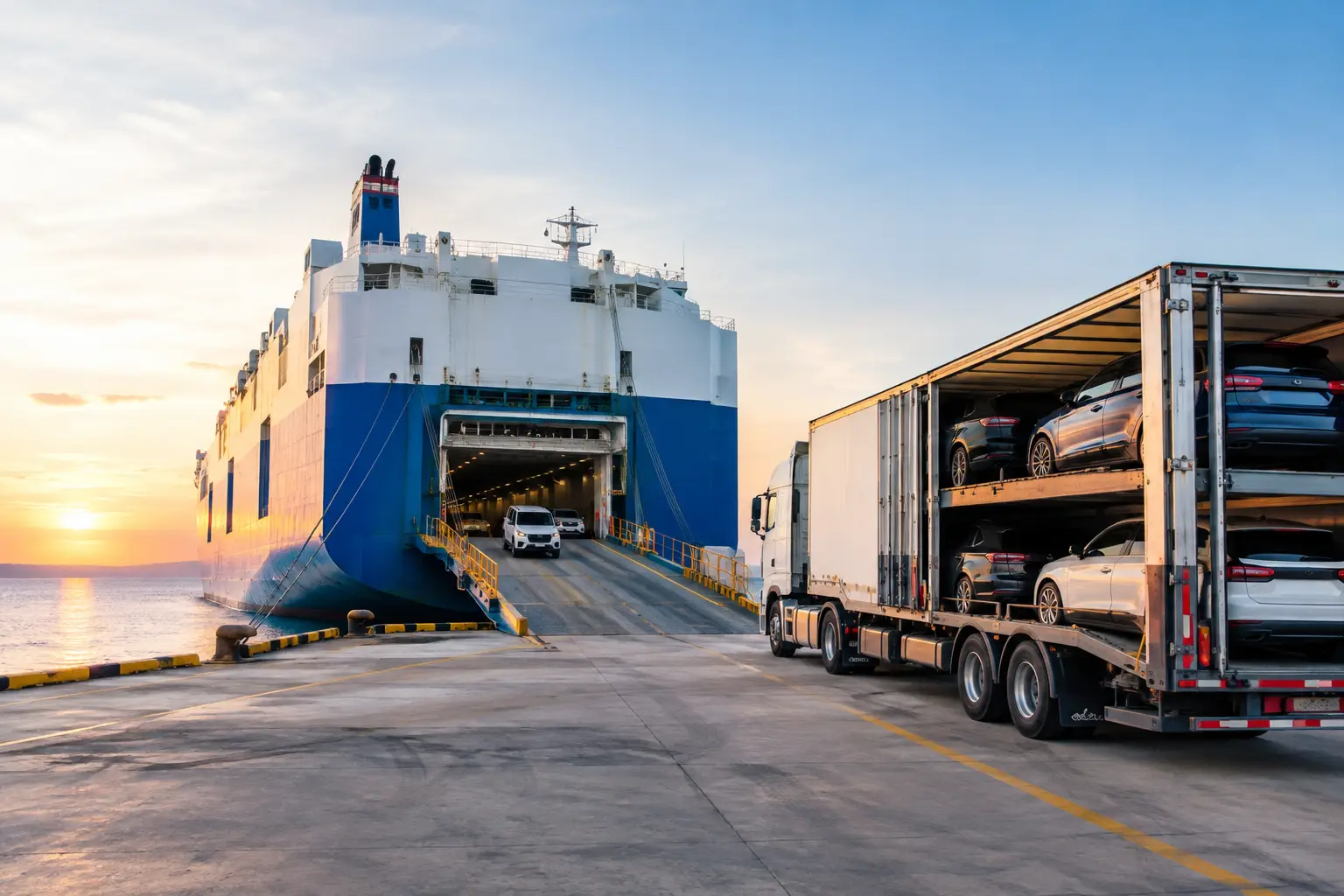
Shipping usually comes down to roll-on/roll-off or container service. Roll-on/roll-off is often cost-effective for operable vehicles and common routes. Container shipping can offer additional protection and may work well for higher-value vehicles, non-running vehicles, parts, or multiple units. Availability, price, port access, and transit time vary by route.
Keep every document organized from the start. A missing original document, a mismatch in chassis information, or an incorrect consignee detail can delay release at the port. Confirm who is responsible for customs entry, port storage risk, domestic transport, and insurance before the vessel sails.
Work With a Partner Who Is Present in Japan
The difference between a listing platform and an export partner becomes clear when the vehicle has a question mark. Photos may be incomplete. The auction sheet may contain a note that needs interpretation. A condition grade may not match the standard you need for a retail customer or personal collection.
International Auto Select Japan works from the Japanese market itself, with physical auction involvement, English-language communication, pre-purchase reporting, mileage verification support, and export coordination. That hands-on approach is designed to give overseas buyers a clearer view of what they are buying before money and shipping commitments are made.
A trustworthy partner will not promise that every vehicle is perfect. Older cars have wear, auction vehicles have limits, and shipping schedules can move. What they should provide is a straight answer, evidence behind the recommendation, and a process that keeps you informed when a decision matters.
The right Japanese car is worth waiting for. Buy the one that fits your import rules, your real budget, and your condition standard, then let careful inspection and complete documentation carry it the rest of the way.