How to Import a Car From Japan to St. Lucia

A Japanese-market vehicle can be an excellent fit for St. Lucia: right-hand-drive, well-equipped, and often available in better condition than comparable local stock. But knowing how to import car from Japan to St. Lucia means more than winning an auction or finding a clean listing. The vehicle must meet local import rules, arrive with the right inspection and export documents, and clear the port without costly surprises.
The strongest imports are planned backward from St. Lucia's requirements, not forward from a tempting auction price. Confirm what can be registered before you bid, then build a realistic landed-cost figure that includes shipping, duty, taxes, port charges, and local handling.
Start With St. Lucia Vehicle Eligibility
Before selecting a vehicle, verify the current import conditions with the relevant St. Lucia licensing, customs, and trade authorities. Requirements can change, and a rule that applied to one import category may not apply in the same way to another.
Used-vehicle age restrictions are one of the first items to check. St. Lucia has historically applied limits to the age of used vehicles entering the country, so use the vehicle's actual manufacture date and not simply its first registration year. A car that appears to be within the permitted range based on model year can still create a problem if the production date falls outside the allowed period.
Also confirm the treatment of right-hand-drive vehicles, engine size, fuel type, hybrids, and commercial vehicles. Most Japanese Domestic Market vehicles are right-hand drive, which is generally suitable for left-side-driving Caribbean roads, but registration requirements should be confirmed before purchase. Modified cars deserve extra care. Aggressive suspension changes, non-standard lighting, missing emissions equipment, or heavily altered engine swaps can complicate inspection and registration even when the car is otherwise desirable.
If you are importing for resale, ask whether your business registration, dealer status, or import licensing affects the process. A private buyer and a commercial importer do not always follow the same path.
Choose the Right Vehicle, Not Just the Lowest Price
Japanese auctions offer enormous choice, but auction grade is not a substitute for an independent assessment. A grade is a broad snapshot of the vehicle's presentation. It does not tell the full story behind prior paintwork, underbody corrosion, smoke odor, warning lights, mechanical noise, or modifications.
For a St. Lucia-bound car, condition matters even more because the island environment is hard on vehicles. Salt air, steep grades, heat, and frequent short trips can expose weak cooling systems, tired transmissions, worn tires, and poor-quality repairs quickly. A cheap car that needs suspension, air-conditioning, or rust repair after arrival is rarely a bargain.
Ask for a translated auction sheet, high-resolution photographs, and a physical inspection when the vehicle justifies it. An on-site inspector can check areas that online listing photos often miss: chassis rails, wheel arches, engine bay condition, tire date codes, fluid leaks, cold-start behavior, and evidence of accident repair. Direct Imported Japan can provide auction representation and hands-on reporting, which is particularly valuable when you are buying from thousands of miles away.
Odometer credibility should be part of the decision, not an afterthought. Request JEVIC odometer verification where available and appropriate. It provides an additional record for your files and can support buyer confidence if you later sell the vehicle.
Build Your Landed Cost Before You Commit
The purchase price is only the first line of the budget. Your landed cost is the total amount paid to place the vehicle in your possession in St. Lucia, ready to proceed with local registration. It commonly includes the auction or vehicle price, exporter fees, inland transport in Japan, inspection charges, ocean freight, marine insurance, customs duty, applicable taxes, port fees, broker fees, and local delivery.
Do not assume a lower auction hammer price will create the lowest final bill. A vehicle located far from the export port may cost more to move domestically. A high-displacement model may also attract significantly different duty and tax treatment than a modest 1.3-liter or 1.5-liter car. Confirm current tariff classification and tax calculations with St. Lucia Customs or a qualified local customs broker before bidding.
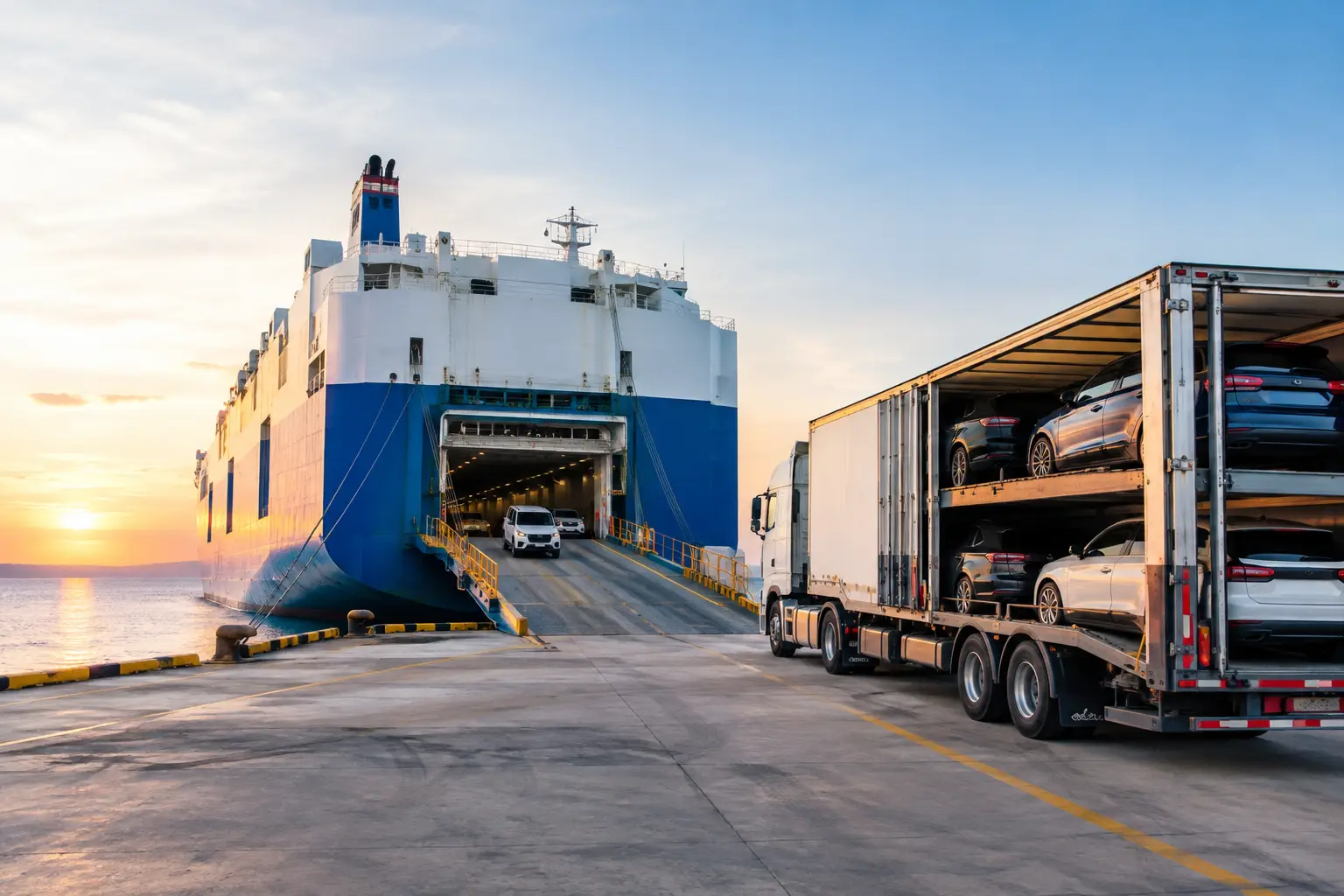
Shipping rates also vary by vessel availability, Japanese port, vehicle dimensions, and whether you use roll-on/roll-off or container shipping. Roll-on/roll-off is often cost-effective for an operable standard vehicle. A container can make sense for a high-value collector car, a non-running vehicle, or a shipment that needs added protection, though the cost and handling requirements are usually higher.
Marine insurance is a sensible cost to include. Shipping is generally dependable, but vehicles are exposed to handling at multiple points. Read the policy carefully so you understand its exclusions, deductible, condition-report expectations, and claim process.
How to Import a Car From Japan to St. Lucia Step by Step
Once you have confirmed eligibility and budget, the process becomes much more manageable. The key is keeping each document and approval aligned with the vehicle's chassis number.
1. Secure the vehicle and verify its records
Whether you purchase from an auction, dealer stock, or a private source, confirm the chassis number, manufacture date, mileage, condition report, and known repairs before payment. If it is an auction vehicle, retain the original auction sheet and its translation. Never rely on a seller's verbal description alone.
2. Arrange required pre-shipment inspection
St. Lucia may require a pre-export inspection or specific certification for used vehicles. Confirm the currently accepted inspection provider, inspection timing, and paperwork before the vehicle ships. JEVIC is a recognized inspection name in many export markets, but acceptance and required certificate types must be verified for your particular shipment.
An inspection failure can delay export or force corrective work in Japan. It is much easier to identify an issue before loading than after the vehicle reaches port.
3. Prepare the export and shipping file
Your exporter should provide a complete, consistent file. At a minimum, expect the following documents:
- Commercial invoice showing the buyer, vehicle details, and purchase value
- Original Japanese export certificate or deregistration documentation with translation where needed
- Bill of lading issued by the shipping line
- Inspection and odometer certificates, if required or obtained
- Packing or shipment details, insurance certificate, and any import approvals requested by St. Lucia authorities
Check names, addresses, engine numbers where applicable, and chassis numbers line by line. A single digit error can delay customs release. Keep both digital copies and the original documents organized before the ship departs.
4. Send documents ahead and prepare for arrival
Give your customs broker or clearing representative the document package before the vessel arrives. They can review it, estimate charges, identify missing approvals, and prepare the customs entry. Waiting until the car is already at the port can lead to storage charges and unnecessary pressure.
Ask your broker what identification, tax number, import permit, or authorization you must provide personally. Also clarify whether original shipping documents are needed for release and how they must be delivered.
5. Clear customs, inspect the car, and complete registration
At arrival, customs will assess the vehicle based on its declared value and applicable import treatment. Authorities may request additional evidence of value, so retain the invoice, auction records, payment confirmations, and freight costs. Under-declaring value is not a shortcut. It can result in reassessment, delays, penalties, and difficulty with future imports.
Once released, inspect the vehicle before it leaves the port or collection yard. Photograph its condition, compare it with the Japanese pre-shipment report, and note any transport damage immediately. Then complete the local roadworthiness, licensing, insurance, and registration steps required to put the vehicle on the road legally.
Common Mistakes That Make Imports Expensive
The most expensive errors are usually made before the car ships. Buyers sometimes purchase a vehicle that is too old for the current rules, choose a modified car that cannot be easily approved, or budget only for freight and not for taxes and port charges.
Another frequent problem is treating an auction grade as a mechanical guarantee. A grade 4 vehicle can still have prior repair history, aging rubber components, or issues that only show up during a physical inspection. The opposite can also be true: a lower-grade vehicle may be a good buy when its defects are clearly documented and priced accordingly. Context matters more than the number alone.
Finally, do not allow documents to become an administrative afterthought. The car, invoice, inspection certificate, and bill of lading must describe the same vehicle. Clear records protect you at customs, during registration, and when you decide to sell.
A well-chosen Japanese import should arrive as a planned purchase, not a port-side gamble. Take the time to confirm St. Lucia's current rules, inspect the actual car, and set aside a realistic clearance budget before you bid. That preparation gives you the best chance of enjoying the vehicle as soon as it is legally on the road.