How to Choose a JDM Car Exporter in Japan
A Japanese auction sheet can show an appealing grade, low mileage, and a price that looks hard to refuse. But overseas buyers do not purchase a grade or a few photos. They purchase the actual vehicle, its history, its condition, and the exporter’s ability to deliver exactly what was represented. Choosing the right JDM car exporter Japan buyers can depend on is what turns a promising auction find into a confident import purchase.
For a private buyer, the risk may be a disappointing collector car that arrives with undisclosed corrosion or accident repairs. For a dealer, one poorly represented vehicle can consume margin, time, and customer trust. The right exporter is not simply a company that can bid on your behalf. It is a hands-on partner who can interpret the Japanese market, inspect vehicles in person, communicate clearly in English, and manage the details that matter after the hammer falls.
A JDM Car Exporter in Japan Should Be Present, Not Just Online
Japan’s vehicle auctions offer enormous selection, from clean Kei trucks and family vans to Skyline GT-Rs, Toyota Aristos, Land Cruisers, and newer performance models. Auction access is valuable, but access alone is not enough. Listings move quickly, descriptions are brief, and the information is written for buyers who understand the local auction system.
A dependable exporter should be able to explain what an auction grade means in practical terms. A grade 4.5 may indicate an excellent vehicle, but it does not mean flawless. A grade R or RA can point to repaired accident history, and the quality of that repair needs close assessment. Even a higher-grade vehicle can have paintwork, underbody corrosion, tire wear, smoke odor, interior damage, or modifications that are not obvious in standard listing photos.
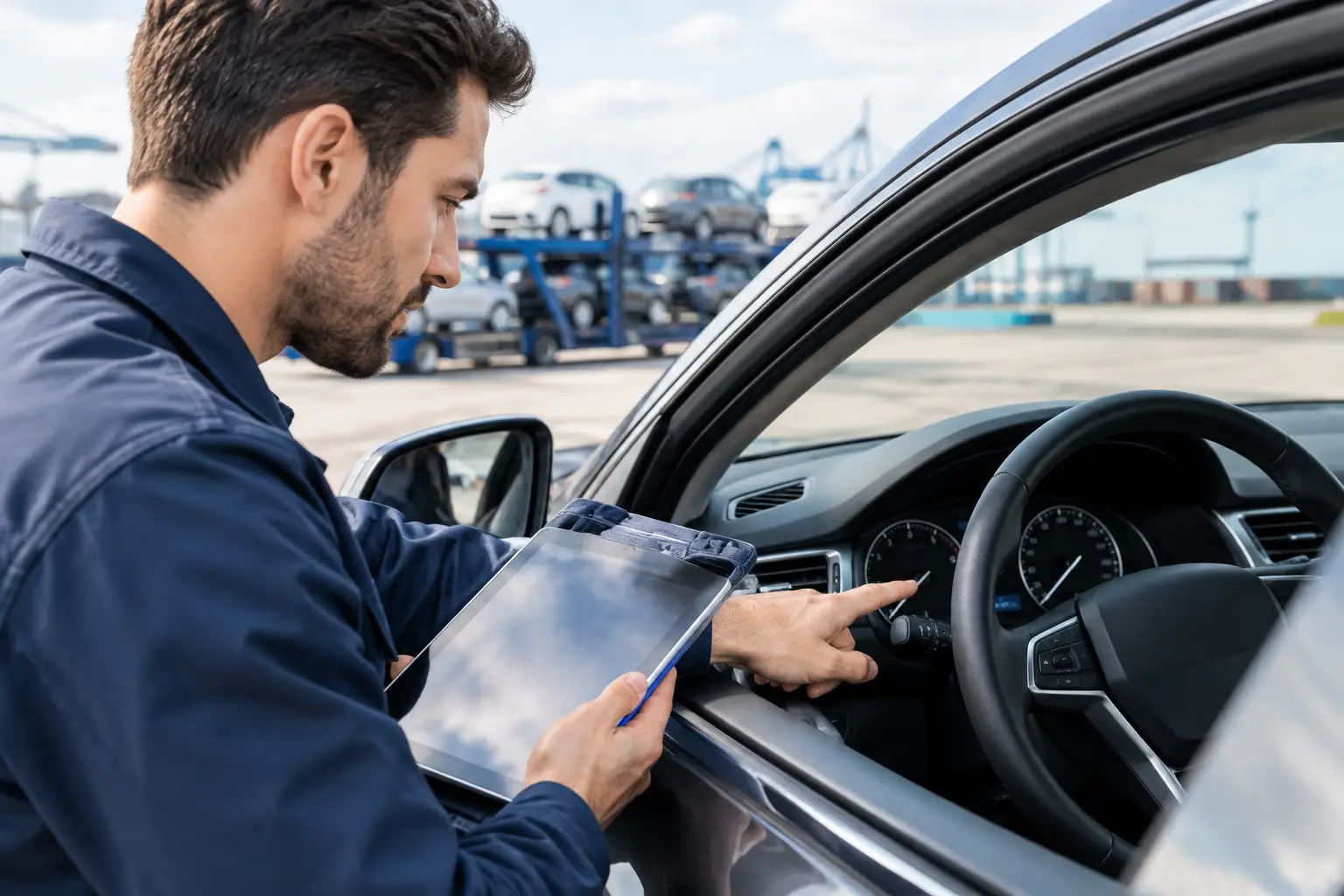
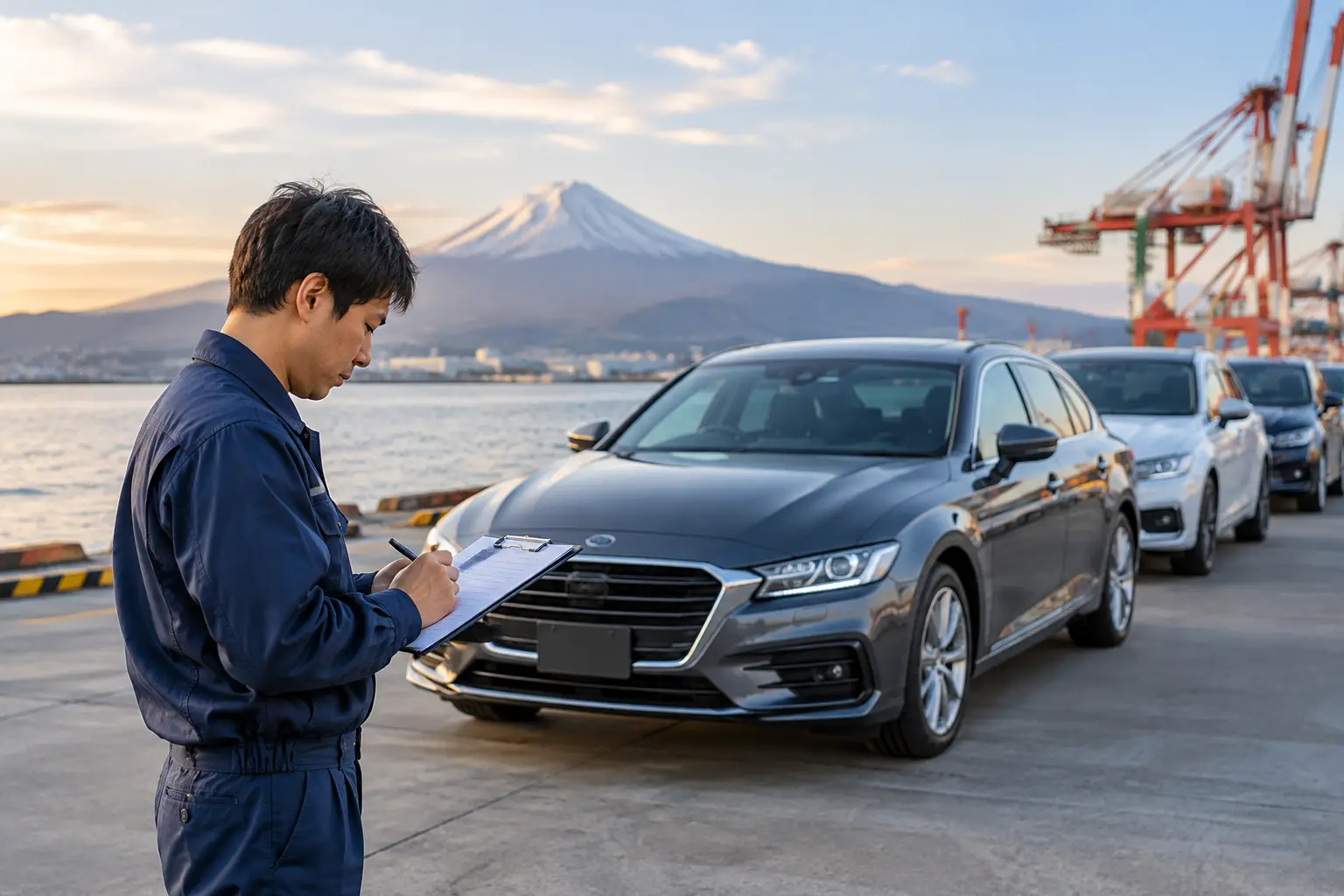
Ask whether the exporter physically attends auctions or relies entirely on auction data and third-party images. There is a major difference. An in-person inspection can identify concerns that are difficult to judge remotely: panel alignment, signs of overspray, cold-start behavior, engine noise, leaks, underbody condition, and whether the vehicle feels consistent with its mileage and grade.
At International Auto Select Japan LLC, operating through Direct Imported Japan, vehicle evaluation is built around physical auction involvement and mechanical knowledge, not just a computer screen. That approach gives buyers useful information before they commit, rather than explanations after the vehicle has been purchased.
Start With the Vehicle, Then Verify the Auction Information
Every buyer should have a clear target before bidding begins. That does not mean limiting yourself to one color or one exact example, particularly for older JDM vehicles. It means identifying the factors that cannot be compromised: model, model year, transmission, mileage range, accident history tolerance, condition expectations, and overall budget.
Once a likely vehicle appears, the auction sheet becomes the starting point for due diligence. A good exporter should translate and explain the inspector’s comments rather than merely sending an image of the sheet. The notes may disclose repainting, scratches, dents, cigarette burns, mechanical comments, aftermarket parts, or a repaired history. Those details affect both value and suitability for your market.
Mileage deserves its own scrutiny. Odometer discrepancies can occur on older Japanese vehicles, especially where servicing records are incomplete or instruments have been replaced. Ask how mileage is checked and whether JEVIC odometer certification is available or required for your destination. A low number on an instrument cluster is not, by itself, proof of verified mileage.
Photos also need context. High-resolution images are useful, but they should support an inspection report, not replace one. If the vehicle has damage, an honest exporter should show it clearly. If the vehicle has a modified suspension, non-factory wheels, aftermarket engine components, or a loud exhaust, you should know before you buy. Modifications can add appeal for an enthusiast, but they may create compliance, insurance, drivability, or resale considerations.
Clear Pricing Means Knowing What the Total Purchase Includes
The lowest auction bid is rarely the final landed cost. Buyers should expect several legitimate charges around a Japanese export transaction, including auction fees, domestic transport, inspection services, export documentation, port handling, shipping, insurance where selected, and destination-side costs.
The important question is not whether fees exist. They do. The question is whether they are clearly explained before you place a bid.
A professional exporter should provide a straightforward cost structure and explain which costs are fixed, which vary by vehicle, and which are controlled by the shipping line or destination port. If a quote looks unusually low, ask what has been excluded. Some buyers discover too late that inland transport, port fees, export certificates, or documentation charges were not included in the initial number.
Be equally realistic about the vehicle budget. Auction competition can be intense for desirable models, clean low-mileage examples, and vehicles eligible for import into the United States under the 25-year rule. Set a maximum bid that accounts for the vehicle, exporter fees, shipping, taxes, compliance work, and a contingency for the unexpected. A disciplined budget is especially important when bidding remotely, where it is easy to focus on the hammer price and overlook the full purchase cost.
Shipping and Documentation Are Part of the Service
A vehicle can be bought correctly and still face problems if the export process is poorly managed. The exporter should coordinate the paperwork required for shipment and provide documents accurately and on time. Depending on the vehicle and destination, this can include the export certificate, bill of lading, commercial invoice, and translated supporting documents.
For U.S. buyers, eligibility under the 25-year import rule is only one part of the process. The production month matters, documentation must align with the vehicle, and customs requirements still apply. Buyers in Australia, Canada, the United Kingdom, and Europe may face different rules on age, emissions, modifications, biosecurity, roadworthiness, and registration. A capable Japan-based exporter can guide the export side and help you understand what information your customs broker, compliance specialist, or local authority will need.
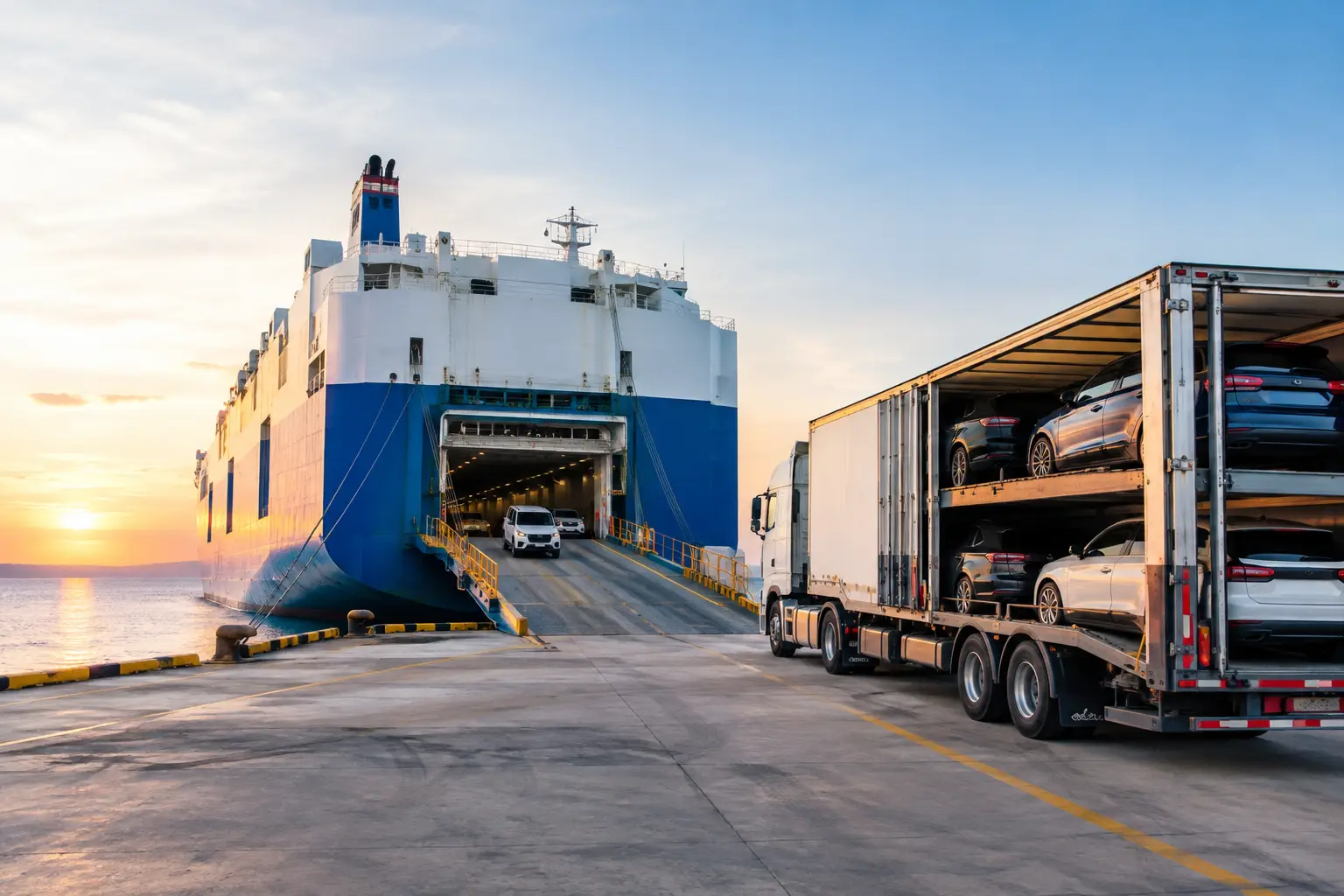
Shipping method also depends on the vehicle and your priorities. Roll-on/roll-off shipping is often cost-effective for operational vehicles, while container shipping can offer more control and may suit valuable vehicles, spare parts, or multiple purchases. Neither option is automatically better. The right choice depends on destination, schedule, budget, vehicle value, and available sailing routes.
Before payment, ask how the exporter handles port delivery, shipping bookings, document release, and communication if sailing dates change. International shipping is not always predictable, but buyers should never be left guessing where their vehicle is or what happens next.
Questions Worth Asking Before You Buy
A reputable exporter should welcome specific questions. Their answers will tell you far more than a polished website or a discounted service fee. Ask whether they inspect cars personally, how they report defects, how auction sheets are translated, and what happens if a vehicle differs materially from its auction description.
You should also ask how payments are handled, when the final invoice is issued, what documentation you receive, and whether photos are taken before shipment. For dealers, it is worth discussing repeat purchasing, inspection standards, and how the exporter can work within your inventory strategy. A good long-term relationship becomes more efficient because the exporter learns your preferred models, condition threshold, and customer expectations.
Be cautious when an exporter guarantees that every auction vehicle is perfect, dismisses auction-sheet concerns, or pressures you to bid without adequate information. Japanese auctions are an excellent source of quality vehicles, but they are not risk-free. Honest guidance includes pointing out when a vehicle is not the right one to buy.
Choose Representation, Not Just Auction Access
The strongest exporter relationships are built on accountability. You need someone in Japan who treats your money as carefully as they would treat their own, gives you the unvarnished condition report, and explains the costs before they become surprises.
The right JDM car exporter in Japan will not promise that every vehicle is flawless or that shipping will never change. They will provide the inspection, evidence, documentation, and communication needed to make a sound decision from thousands of miles away. When the right vehicle appears, that preparation lets you bid with clarity rather than hope.