How to Buy Cars From Japan With Confidence

A clean auction sheet can look reassuring from thousands of miles away. It is not the same as seeing the paint, hearing the engine on startup, checking for corrosion underneath, and confirming the vehicle is what the seller says it is. That is why buyers who want to buy cars from Japan need more than access to inventory. They need reliable information, a person on the ground, and a process that stays clear from first bid to final delivery.
Japanese inventory gives overseas buyers exceptional choice. You may be looking for a legal-to-import Skyline GT-R, a low-mileage Toyota Crown, a practical kei truck, or late-model stock for a dealership. Auctions, dealer networks, and private listings can provide options that are difficult to find at home. The opportunity is real, but so are the risks of buying remotely.
Why Buyers Choose Japanese Vehicles
Japan has a deep domestic market, frequent vehicle turnover, and an auction system that moves a huge range of cars every week. For collectors and enthusiasts, that often means better access to original JDM specifications, desirable trims, factory options, and vehicles that have not been heavily modified.
For dealers, Japan can be a consistent sourcing channel rather than a one-off purchase. The right vehicle can fill a gap in local inventory, particularly when customers are asking for Japanese performance cars, 4x4s, vans, hybrids, or specialty commercial vehicles.
Condition is another reason buyers look to Japan, but it should never be assumed. Many vehicles have been carefully maintained, yet Japanese roads, coastal environments, winter weather, and age all leave their mark. A high auction grade is useful, but it is not a guarantee that a vehicle needs nothing. Grade systems summarize condition. They do not replace a proper inspection.
How to Buy Cars From Japan Without Guesswork
The strongest buying process starts before you choose a car. First, establish what you can legally import and register in your destination country. In the United States, federal age rules, emissions requirements, state registration rules, and vehicle-specific eligibility can all affect the decision. A 25-year-old vehicle may meet federal import eligibility, but buyers still need to consider their state requirements, insurance, and parts support.
Australia, Canada, New Zealand, and other markets have their own rules. Never select a vehicle based only on its price or desirability before confirming the import pathway. The most exciting auction win becomes an expensive problem if it cannot be cleared, registered, or used as intended.
Once eligibility is clear, set a total landed budget. The hammer price is only one part of the purchase. Your budget should account for auction fees, exporter charges, inland transport in Japan, port handling, ocean freight, insurance if selected, customs duties and taxes, compliance work where required, and transport after arrival. A candid exporter will explain these costs before you bid, including which items are estimates and which are fixed.
Then decide whether an auction vehicle or an available stock vehicle makes more sense. Auctions offer volume and can be the best route for a very specific model, color, grade, or mileage range. They also move quickly. Available vehicles may cost more in some cases, but they can offer a simpler decision when the vehicle has already been inspected and documented.
Auction Sheets Need Translation and Context
An auction sheet is a valuable record, not a complete vehicle history. It generally identifies the auction grade, exterior and interior grade, mileage at the time of sale, noted damage, repairs, modifications, and inspector comments. However, shorthand notes and condition codes need accurate translation and real-world interpretation.
A repaired panel, paintwork, corrosion note, smoke odor, warning light, oil seepage, or aftermarket modification can materially change a vehicle's value. So can a note that appears minor on paper but reveals a bigger issue in person. Mileage should also be checked carefully. An auction record showing low kilometers is not the same as independent odometer verification.
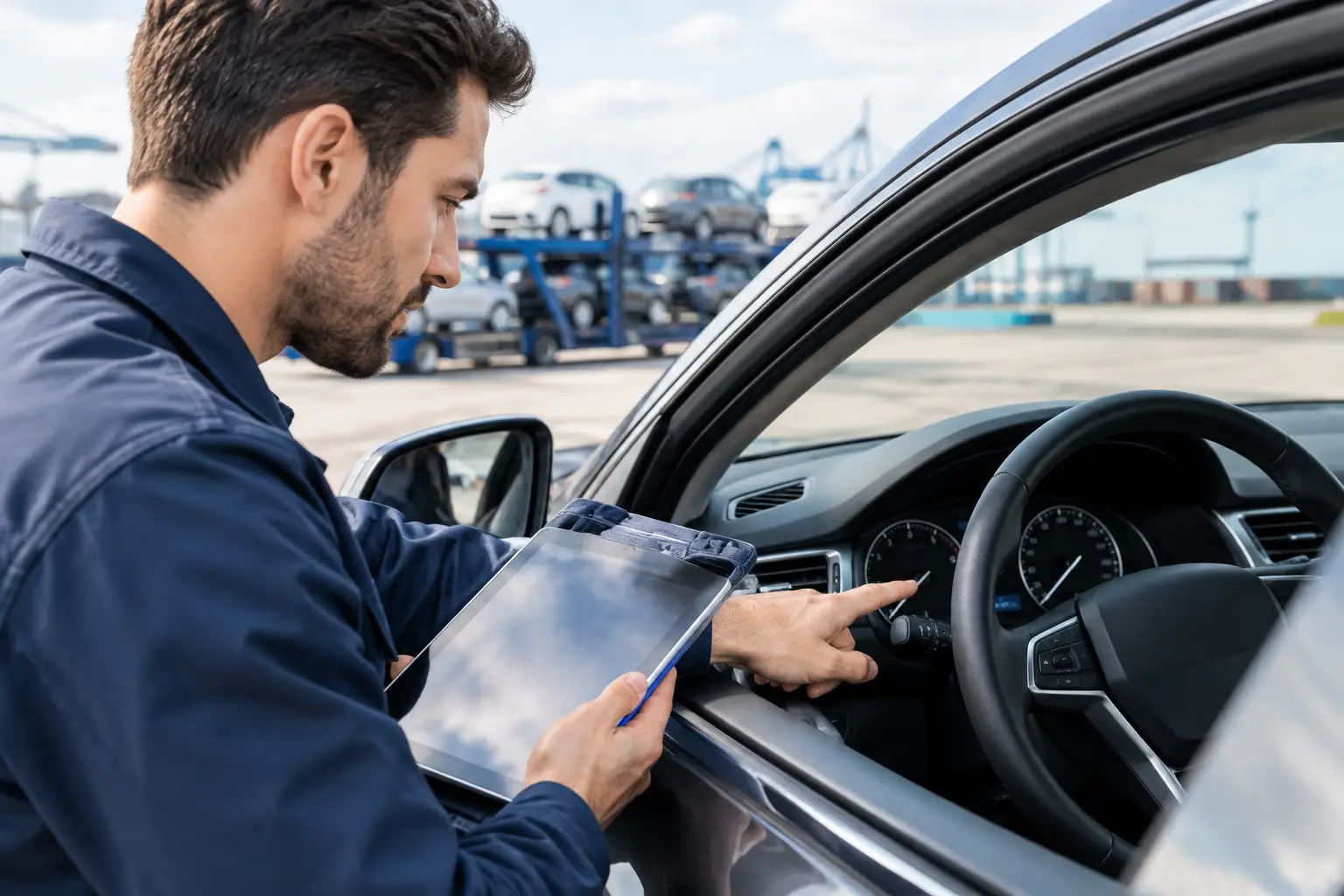
At International Auto Select Japan, physical auction attendance and high-resolution reporting are part of the practical difference. We do not sit behind a computer and treat auction photos as a full inspection. A hands-on review can identify concerns that deserve a closer look before a buyer commits funds.
What a Useful Pre-Purchase Inspection Should Cover
A professional inspection should be focused on the risks that matter to a remote buyer. It should confirm the vehicle identification details and mileage, assess the exterior and interior condition, and look beyond the attractive auction photos.
The inspection should include paint and body condition, signs of accident repair, rust and underbody corrosion, tire condition, glass damage, interior wear, odors, electronics, warning lights, engine operation, transmission behavior where testable, fluid leaks, suspension concerns, and visible modifications. For enthusiast vehicles, mechanical originality and the quality of any tuning work can be as important as cosmetic condition.
No inspection can promise that an older vehicle will never need maintenance. A 1990s performance car, for example, may be well presented but still require hoses, seals, bushings, tires, fluids, or preventive service after arrival. The goal is not to sell a fantasy. It is to give you a clear picture of what you are buying so you can bid intelligently.
Verify Mileage Before It Becomes Your Problem
Odometer fraud is a legitimate concern in any used-car market. Buyers should ask how mileage is verified, what documentation is available, and whether certification can be provided. JEVIC odometer certification can provide valuable additional assurance for eligible vehicles and destination requirements.
Mileage is only one measure of condition, but it strongly influences value and resale confidence. A transparent buying partner should raise mileage inconsistencies rather than hoping they go unnoticed. That honesty matters whether you are buying one personal vehicle or building inventory for customers who expect accurate disclosures.
Shipping and Documentation Are Part of the Purchase
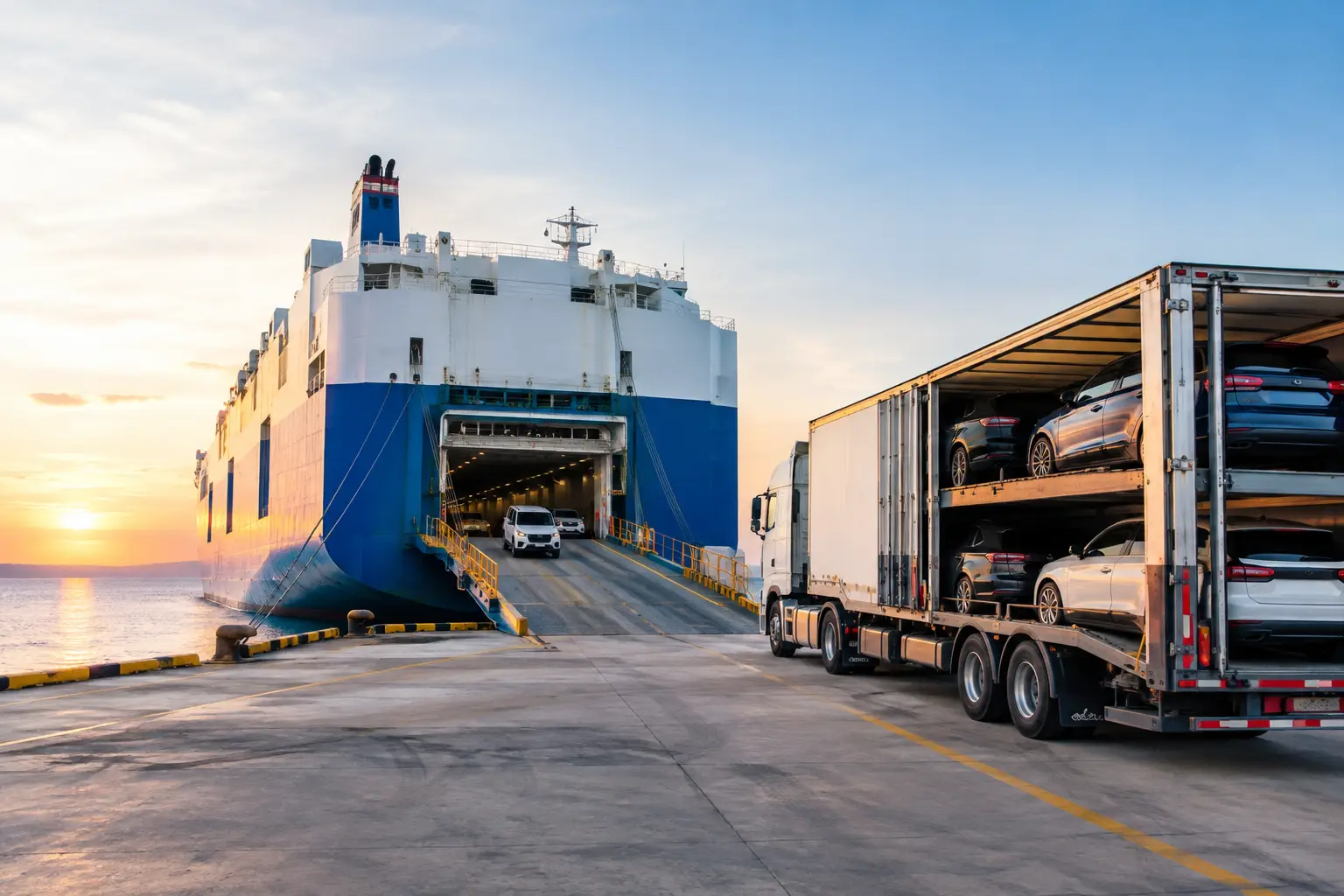
Once a vehicle is purchased, the export process begins. This is where many first-time importers discover that buying the vehicle was the easy part. The vehicle needs to be transported to port, prepared for shipment, booked on an appropriate vessel, and supported by the right export documents.
Shipping options depend on the vehicle, destination, timeline, and budget. Roll-on/roll-off shipping is commonly used for operational vehicles and is often cost-effective. Container shipping may suit high-value cars, non-running vehicles, parts, or buyers who want additional control over how a vehicle is loaded. Neither method is universally better. The right choice depends on the shipment and the level of protection or flexibility required.
Documentation commonly includes an export certificate or deregistration record, bill of lading, commercial invoice, and other paperwork required by the destination country. Customs clearance, duties, taxes, inspections, and local registration are separate stages that should be planned early. Good coordination reduces surprises, but it cannot erase country-specific rules.
Choose a Partner Who Is Accountable
The cheapest quote is not always the lowest-cost purchase. A low service fee means little if the auction sheet was poorly translated, the car was not inspected, shipping charges appear later, or questions go unanswered after payment. Remote buying depends on accountability.
Ask direct questions before you send a deposit. Will someone physically inspect the vehicle? Will you receive clear photos and a translated report? How are bids approved? What fees are included? How is odometer mileage verified? Who handles export documents and shipping communication? What happens if an inspection finds a serious issue before the auction closes?
The answers should be straightforward. A dependable exporter will explain limitations as clearly as advantages. They will not claim that every Japanese vehicle is perfect, every auction grade is absolute, or every shipping timeline is guaranteed.
Buying from Japan can be one of the most rewarding ways to find a vehicle with real character, strong value, or commercial potential. Start with import eligibility, insist on eyes-on inspection and honest condition reporting, and keep your decisions tied to total landed cost. When the process is handled carefully, the vehicle that arrives at your port should feel like the vehicle you agreed to buy.