How a Japanese Car Auction Agent Protects Buyers

A clean auction sheet and a strong grade can make a Japanese vehicle look like an easy purchase. But a sheet is not a road test, photographs do not show every repair, and an online auction screen cannot tell you whether a car has signs of corrosion underneath. For an overseas buyer, a Japanese car auction agent is not simply someone who places a bid. The right agent is your eyes, technical filter, translator, and export partner in Japan.
That distinction matters whether you are buying one R32 Skyline GT-R for a personal collection or sourcing regular inventory for a dealership. Japanese auctions offer exceptional selection, but they move quickly and are built for professionals who understand the grading language, auction-house procedures, and the limits of what is disclosed. Buying well requires more than access. It requires informed judgment before the hammer falls.
What a Japanese Car Auction Agent Actually Does
At the most basic level, an auction agent registers you for auction access, receives your bid instructions, and purchases a vehicle on your behalf if the bid succeeds. That service alone can be useful, but it is not enough protection for a remote buyer.
A full-service agent should help you identify suitable vehicles, translate the auction sheet accurately, inspect cars in person when appropriate, explain the realistic condition, confirm costs, arrange payment handling, and prepare the vehicle for export. After purchase, the work continues with deregistration, export documentation, shipping coordination, and support for the requirements of the destination country.
The quality of service is most visible before bidding. Anyone can report that a vehicle received a 4 grade. A capable representative explains what that grade means on this specific car: whether prior paintwork is minor or extensive, whether the interior wear fits the claimed mileage, whether the tires, suspension, clutch, cooling system, or underbody deserve closer attention. Auction grades are useful indicators, not guarantees.
Why Live Auction Access Is Only the Starting Point
Live access gives buyers visibility into a large and constantly changing pool of Japanese Domestic Market vehicles. It is a major advantage over relying only on dealer listings, especially when you are looking for uncommon specifications, low-production performance models, vans, trucks, or clean late-model inventory.
However, access can create false confidence. Auction listings are brief, photos may be limited, and the bidding window is short. Notes are written for the Japanese trade and often use abbreviations or language that loses meaning in a basic machine translation. A note about corrosion repair, smoking odors, panel replacement, engine noise, warning lights, or modified components can materially change a vehicle's value.
This is where a hands-on agent earns their place. The question is not whether they can show you auction inventory. The question is whether they can interpret it honestly and tell you when a vehicle is not worth chasing.
For some vehicles, a desktop review and complete auction report may be enough. For a collectible, older JDM car, high-value sports car, or vehicle with unclear history, physical inspection is usually the better decision. It adds time and cost, but it can prevent a far more expensive mistake after the vehicle reaches your port.
The Inspection Standard You Should Expect
Ask direct questions about how inspections are performed. Do they sit behind a computer and repeat auction information, or do they attend the auction site and inspect the vehicle themselves? Do they provide their own photos and videos? Can they identify previous repairs, paint discrepancies, fluid leaks, smoke, unusual engine noises, or structural concerns? If they cannot inspect a vehicle, will they clearly say so rather than present assumptions as facts?
A useful inspection report should be practical, not promotional. It should cover exterior condition, interior condition, visible underbody condition, mechanical observations, modifications, tire condition, warning lights, and obvious signs of accident repair or corrosion. It should also separate confirmed facts from limitations. An inspector may not be able to conduct a full compression test or prolonged road test at an auction, and a candid agent will not pretend otherwise.
High-resolution images matter because they give you something concrete to review with your agent. So does a translated condition report that preserves the auction inspector's comments rather than reducing them to “good condition.” The goal is not to make every car appear perfect. The goal is to give you enough accurate information to make a confident buying decision.
Mileage Verification Is Not a Detail
Odometer accuracy has a direct effect on vehicle value, particularly with older performance cars and collector-grade examples. Japan has a strong auction system, but mileage questions still need proper verification. A vehicle can have a low reading on its gauge while its history, paperwork, or condition raises concerns.
Your agent should explain what evidence is available for the car you are considering. Auction history may help establish consistency, while JEVIC odometer certification provides an additional level of verification for applicable exports. The appropriate process depends on the vehicle and destination, but the principle is simple: do not treat mileage as confirmed solely because it appears on an auction listing.
Be equally cautious with vehicles that have replacement instrument clusters, unclear service records, or unusual wear relative to the stated mileage. These are not always automatic deal-breakers, but they deserve a clear conversation before bidding.
Clear Pricing Prevents Bad Surprises
The purchase price at auction is only one part of the cost. Your final landed cost can include auction fees, agent fees, inland transport, export preparation, documentation, shipping, marine insurance if selected, port charges, customs duties, taxes, and destination-side compliance work. The exact mix varies by vehicle, shipping route, and country.
A trustworthy Japanese car auction agent will set out their pricing structure clearly and explain which charges are known, estimated, or paid after arrival. Beware of a very low initial quote that excludes ordinary costs until the vehicle is already purchased. Clear pricing is not about promising the lowest number. It is about allowing you to compare opportunities on a realistic basis.
For dealers, this clarity protects margin planning. For private buyers, it prevents the frustration of falling in love with a vehicle that no longer fits the budget once shipping and clearance are added. Set a maximum all-in budget before you bid, then work backward to a sensible auction limit.
Export Support Is Part of the Purchase
Buying a car in Japan and receiving it legally in the United States are connected but separate tasks. A good export partner manages the Japanese side carefully, including title-related export documents, deregistration, port delivery, and shipping arrangements. They should also provide the documentation your customs broker and port representatives will need.
For US buyers, eligibility rules are especially important. Many Japanese-market vehicles become easier to import once they reach 25 years of age, but model year, production date, federal requirements, and state registration rules should be confirmed before purchase. Do not assume that a vehicle being available at auction means it is suitable for your intended use or registration state.
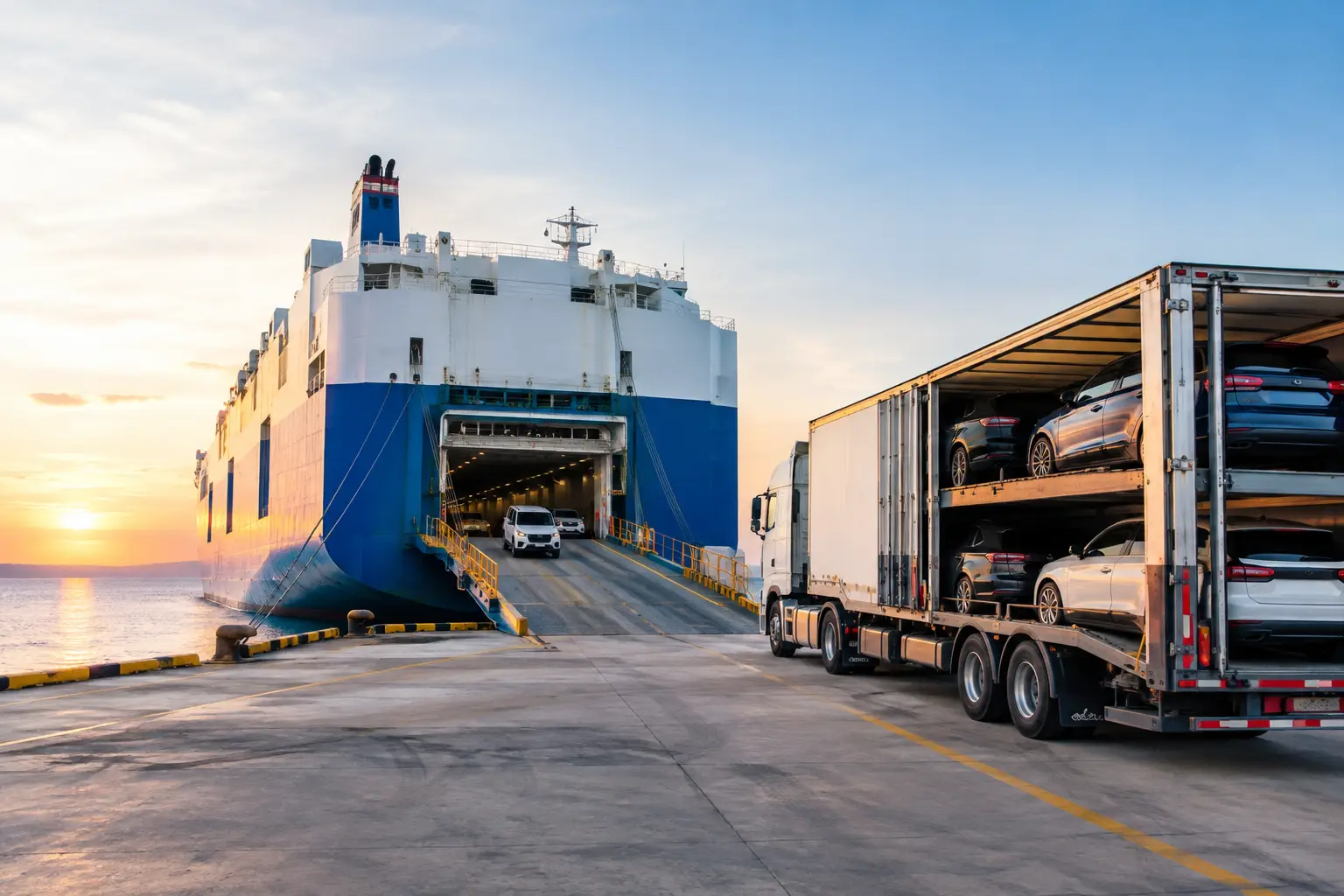
Shipping method also deserves a real conversation. Roll-on/roll-off shipping can be cost-effective for operable vehicles, while container shipping may suit higher-value cars, multiple vehicles, or buyers who want added control over loading. Neither is automatically best. The right choice depends on the vehicle, route, budget, and risk tolerance.
Questions Worth Asking Before You Commit
Before sending funds or setting a bid limit, establish how the agent works. Ask whether inspections are performed in person, how auction sheets are translated, what happens if a car differs materially from its listing, and whether you receive photos or video from the inspection. Ask for a written explanation of all expected fees and a realistic shipping timeline.
Also ask who remains responsible after the auction purchase. The strongest partners do not disappear once the bid is won. They keep you informed during transport to port, vessel booking, document preparation, and shipping. Delays can happen in international logistics, but silence and vague updates should not be part of the process.
Experience is valuable here because the Japanese auction market rewards judgment. An agent who has spent years evaluating vehicles can recognize when a seemingly cheap car is cheap for a reason and when a well-presented example is worth paying for.
Choose a Partner, Not Just an Account
The lowest fee is rarely the best measure of value. A small saving on representation means little if you buy a vehicle with undisclosed corrosion, questionable mileage, heavy repairs, or documentation problems. The cost of one bad purchase can exceed the difference between a basic bidding service and a thorough export partner.
At Direct Imported Japan, the focus is on clear communication, physical auction involvement, professional reporting, and support from vehicle selection through export. That approach is built for buyers who want access to Japan without accepting unnecessary guesswork.
The best vehicle is not always the first one available or the lowest-priced listing on the screen. Give yourself room to wait for the right example, insist on evidence before bidding, and work with an agent who is comfortable telling you to walk away. That is how a purchase from Japan arrives as an opportunity, not an expensive lesson.