Buying JDM Cars Directly From Japanese Auctions to USA

An auction sheet with a high grade can look reassuring from 6,000 miles away. It is not a substitute for seeing the car, checking its underbody, confirming its history, and understanding whether it can legally enter the country. Buying JDM cars directly from Japanese auctions to the USA can deliver access to better specifications, lower-mileage examples, and models rarely found in the domestic market, but the process only works when the vehicle, paperwork, and import plan are verified before the bid is placed.
Start With US Import Eligibility
The first question is not whether the car is available at auction. It is whether the car is eligible for permanent import into the United States.
For most JDM vehicles, the key federal requirement is the 25-year rule administered by the National Highway Traffic Safety Administration. A vehicle becomes exempt from Federal Motor Vehicle Safety Standards when it is at least 25 years old from its date of manufacture, not simply its model year. A car advertised as a 2001 model may not qualify until later in 2026 if it was built late in the year.
Environmental Protection Agency requirements are separate. Vehicles at least 21 years old may qualify for an EPA exemption if they remain in their original, unmodified configuration. Engine swaps, deleted emissions equipment, and heavily altered exhaust systems can create problems. When a vehicle must meet both exemptions, the 25-year safety threshold is usually the date that controls the import timing.
A newer Japanese-market vehicle is not automatically impossible to import, but the path is very different. Federalizing a nonconforming vehicle through a registered importer can be expensive, technically uncertain, and impractical for most individual buyers. Do not bid on a vehicle based on a seller's claim that it can be registered because it is "close enough" to 25 years old.
Federal entry is also not the final step. State registration rules, emissions testing, title requirements, and insurance availability vary. California buyers in particular should confirm the state-level path before committing to a vehicle, even when it is federally eligible.
How Japanese Vehicle Auctions Actually Work
Japanese auctions are wholesale marketplaces, not retail dealerships. Access generally requires a licensed exporter or auction member to place bids on a buyer's behalf. The volume is a major advantage: a buyer may see multiple examples of the same chassis in a single week, including stock cars, dealer trade-ins, specialty vehicles, and lower-volume trims that rarely appear on export listings.
The trade-off is that auction cars are sold largely as-is. The auction house provides a grade, condition diagram, mileage entry, and brief Japanese comments, but those documents have limits. An overall grade is useful, yet it does not guarantee a car is mechanically perfect, accident-free, rust-free, or free from future maintenance needs.
An auction grade 4 can still have repaired paintwork, worn tires, aged suspension bushings, or a noisy accessory bearing. A grade 3.5 car may be an honest, well-maintained driver with cosmetic flaws that are easy to address. R and RA grades require particular care because they indicate repair history. Some repaired vehicles are straight and properly restored; others show evidence of poor collision repair, uneven panel gaps, or structural concerns.
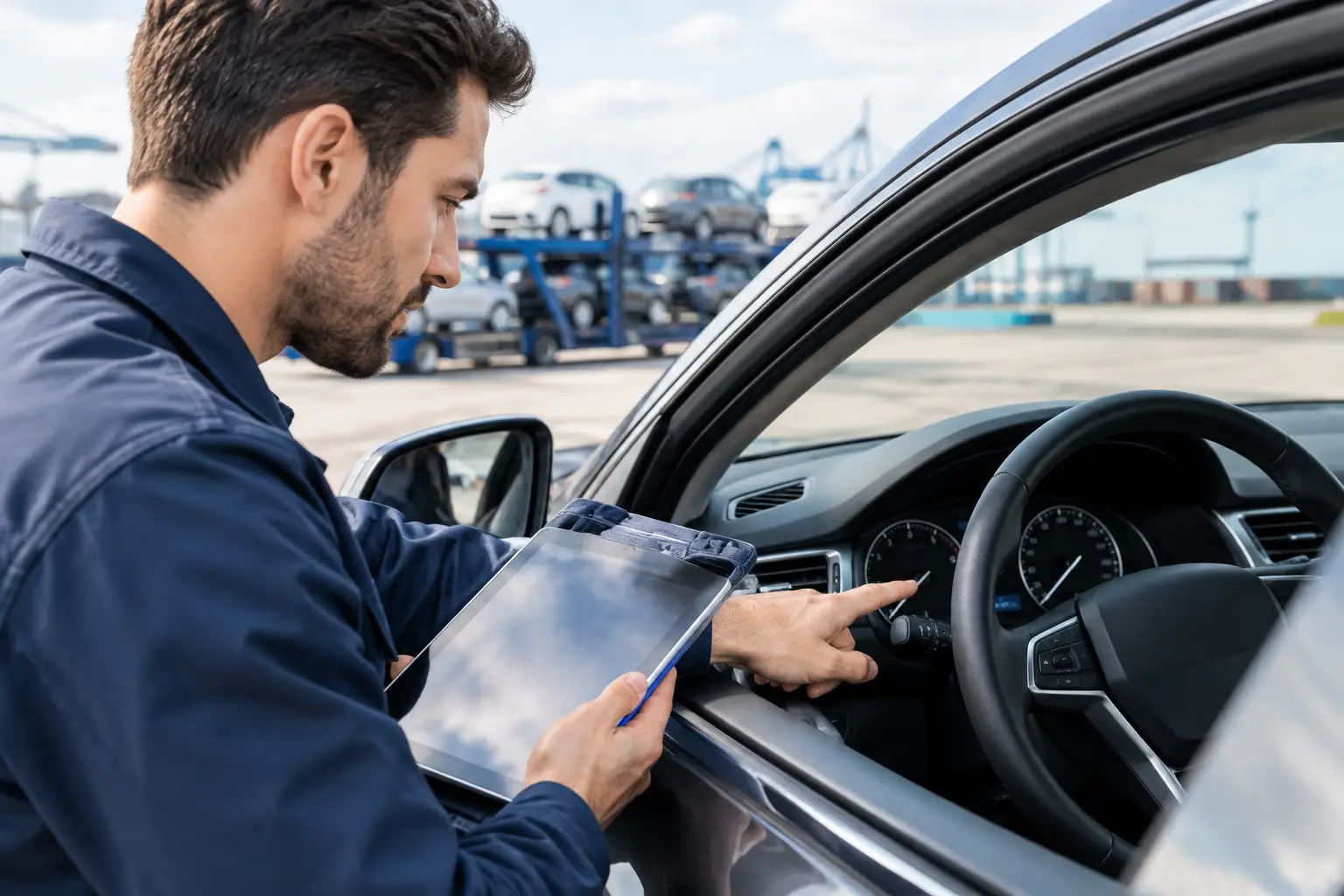
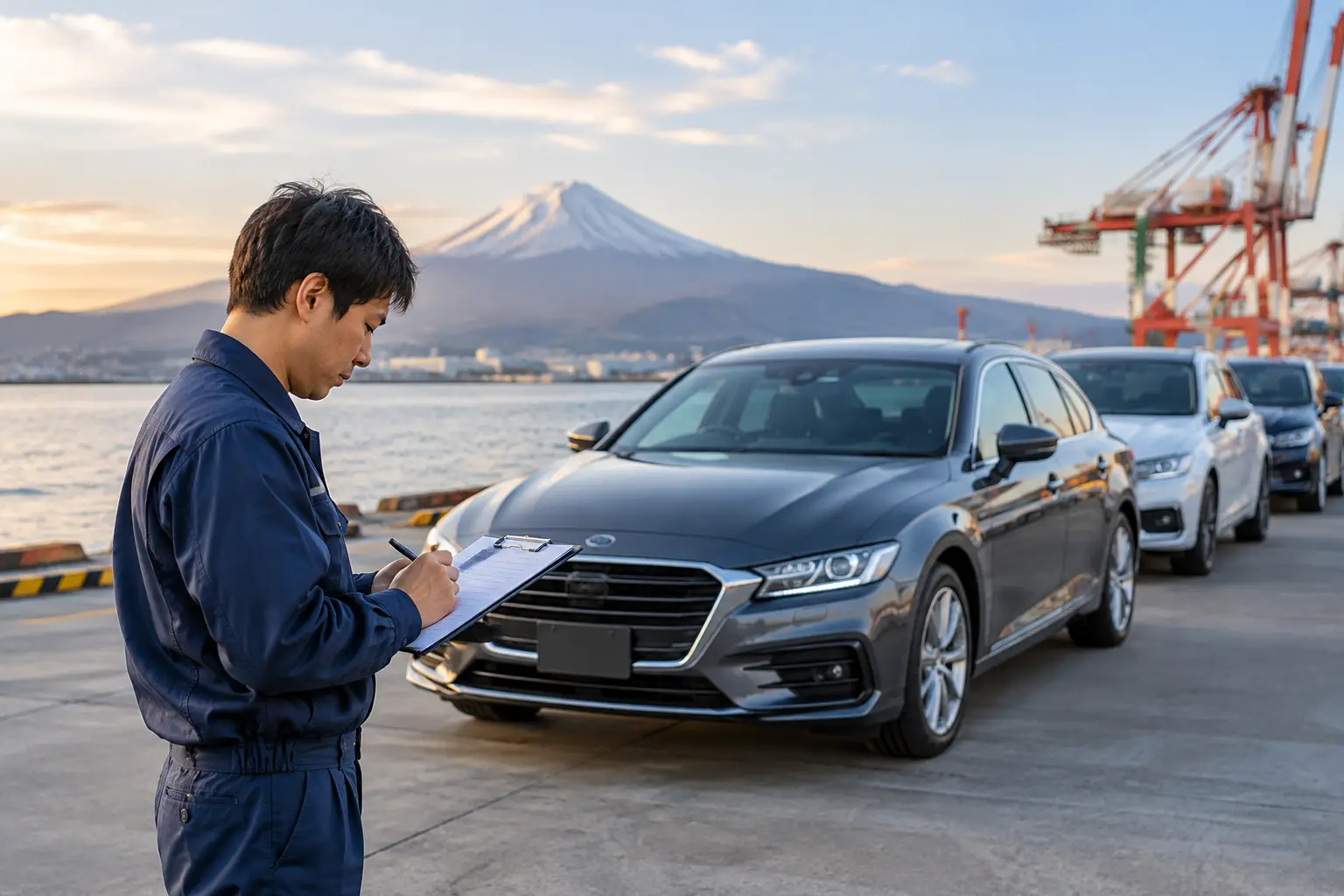
This is why physical inspection matters. A meaningful pre-purchase inspection should go beyond translating the sheet. It should assess paint and panel condition, corrosion underneath the car, leaks, engine sound, transmission operation where possible, tire date codes, smoke on startup, warning lights, modifications, and signs of prior repairs. High-resolution photos and direct feedback give the buyer a factual basis for deciding whether to bid, reduce the budget, or walk away.
At Direct Imported Japan, the approach is hands-on. We do not sit behind a computer and repeat auction information. Physical auction attendance, mechanical knowledge, and clear reporting are what protect buyers from treating an auction grade as the entire story.
Set a Landed Budget Before You Bid
The hammer price is only one part of the purchase. A serious budget accounts for auction fees, inland transport in Japan, inspection or sourcing fees, export documentation, ocean freight, marine insurance if selected, customs brokerage, port charges, federal duty, and delivery from the US port.
For typical passenger cars, the US customs duty is generally 2.5 percent. Pickup trucks and other vehicles classified as trucks can face a 25 percent duty, while motorcycles are generally subject to a 2.4 percent rate. Classification matters, and the final assessment is made by US Customs and Border Protection. Port fees, broker fees, and state taxes or registration costs can also change the final number.
Ask for pricing that separates the vehicle price from the services around it. Clear and honest pricing makes it easier to compare auction opportunities and prevents a low initial bid from becoming an unexpected landed-cost problem. A good exporter should explain what is included, what is estimated, and what can change due to the shipping line, exchange rate, port, or final auction result.
Buying JDM Cars Directly From Japanese Auction to USA
Once the right vehicle appears, the buyer should establish a maximum all-in bid rather than reacting to auction-day pressure. That number should reflect the car's actual condition, anticipated maintenance, and import expenses, not just what similar examples are advertised for online.
Before bidding, confirm the chassis number, manufacture date, auction location, grade, mileage notation, known defects, modifications, and any available service records. Mileage is especially important with older JDM vehicles. Auction records are helpful, but independent odometer verification such as JEVIC certification adds another layer of confidence where available.
If an inspection finds corrosion around suspension mounting areas, fresh undercoating that may conceal issues, poor-quality repainting, or drivetrain noise, the right move may be no bid. Missing one auction is not a failure. Another vehicle will come through the system. Buying the wrong one because it was available this week is far more expensive than waiting.
After a successful bid, payment timing is usually tight. The vehicle must then be transported from the auction, prepared for export, and booked for shipping. Buyers should receive confirmation of the purchase result, a clear invoice, condition photos, and updates as the vehicle moves through the export process.
Documentation, Shipping, and US Port Arrival
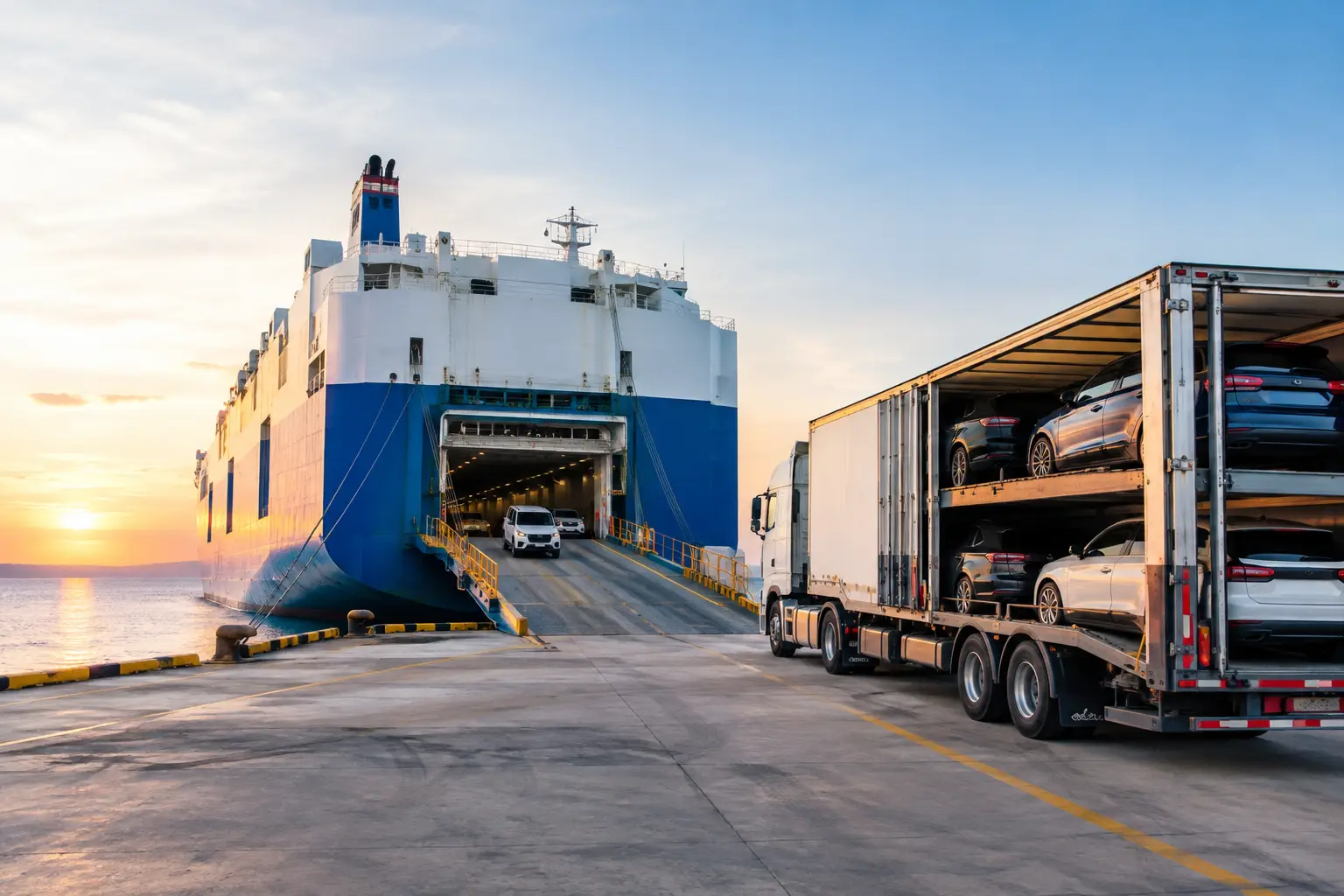
Most vehicles ship by roll-on/roll-off vessel, commonly called RoRo. This is often the most economical option for operable vehicles. A container may make more sense for a high-value car, a non-running vehicle, or a shipment that needs parts and accessories secured with it. Container service can offer added protection, but it costs more and requires careful loading and packing.
The documentation process typically includes the Japanese export certificate, bill of lading, commercial invoice, purchase records, and export paperwork. For US entry, importers commonly need the DOT HS-7 declaration and EPA Form 3520-1. A customs broker can prepare entry documents and coordinate with Customs and Border Protection, but the buyer remains responsible for providing accurate information.
The Importer Security Filing must be submitted before the vessel is loaded for US-bound cargo. Waiting until the car arrives at the port is too late. Good coordination among the exporter, shipping line, and customs broker reduces the chance of filing delays, storage charges, or a vehicle sitting at the terminal while documents are corrected.
When the vessel arrives, the car is released only after customs requirements, duty, port charges, and any applicable processing fees are addressed. From there, buyers can arrange collection from the port or delivery by transporter. Inspect the vehicle at pickup, photograph its condition, and retain every import document for titling and registration.
Treat the Purchase Like an Import Project
The best auction purchase is not always the lowest-mileage Skyline GT-R, Supra, or Evo on the screen. It is the vehicle that matches the buyer's legal timeline, budget, condition standard, and intended use. A collector may accept original paint flaws to preserve authenticity. A dealer may prioritize clean documentation, predictable landed cost, and a configuration that fits local buyer demand.
Start early, verify eligibility before auction day, and give condition more weight than a headline grade. With an experienced representative on the ground in Japan, you can make the final bid with a clear view of what you are buying and a practical plan for getting it home.