Best Way to Ship Car From Japan: What Works
A clean auction sheet and a strong inspection are only half the purchase. The best way to ship car from Japan is the method that protects the vehicle, meets your country’s entry rules, and keeps the full landed cost predictable. The cheapest freight quote is not always the least expensive route once inland transport, port handling, cleaning, inspections, customs clearance, and unexpected delays are added.
For most buyers, the practical choice comes down to roll-on/roll-off shipping or a container. Both are proven methods. The right answer depends on the vehicle, destination, timeline, and how much control you need over handling.
Best Way to Ship a Car From Japan: Start With the Destination
Choose shipping only after confirming that the vehicle can be imported where you live. This sounds obvious, but it is where expensive mistakes begin. A vehicle may be eligible by age yet still require an approved compliance pathway, a specific pre-shipment inspection, emissions documentation, or modifications before registration.
In the United States, the 25-year rule is often central to JDM imports, but federal eligibility does not remove state registration requirements. Australia, New Zealand, Canada, the United Kingdom, and European destinations each have their own age rules, inspection programs, duty and tax treatment, and port processes. Do not assume a rule that applies to one model year or country applies to another.
Before bidding or buying, establish four things: the vehicle’s exact build date, its eligibility for import, the required inspection or certification program, and the delivery port. The chassis number, not just the first-registration year, matters. A competent exporter can help verify these details before you commit funds.
RoRo Shipping: The Practical Choice for Most Running Vehicles
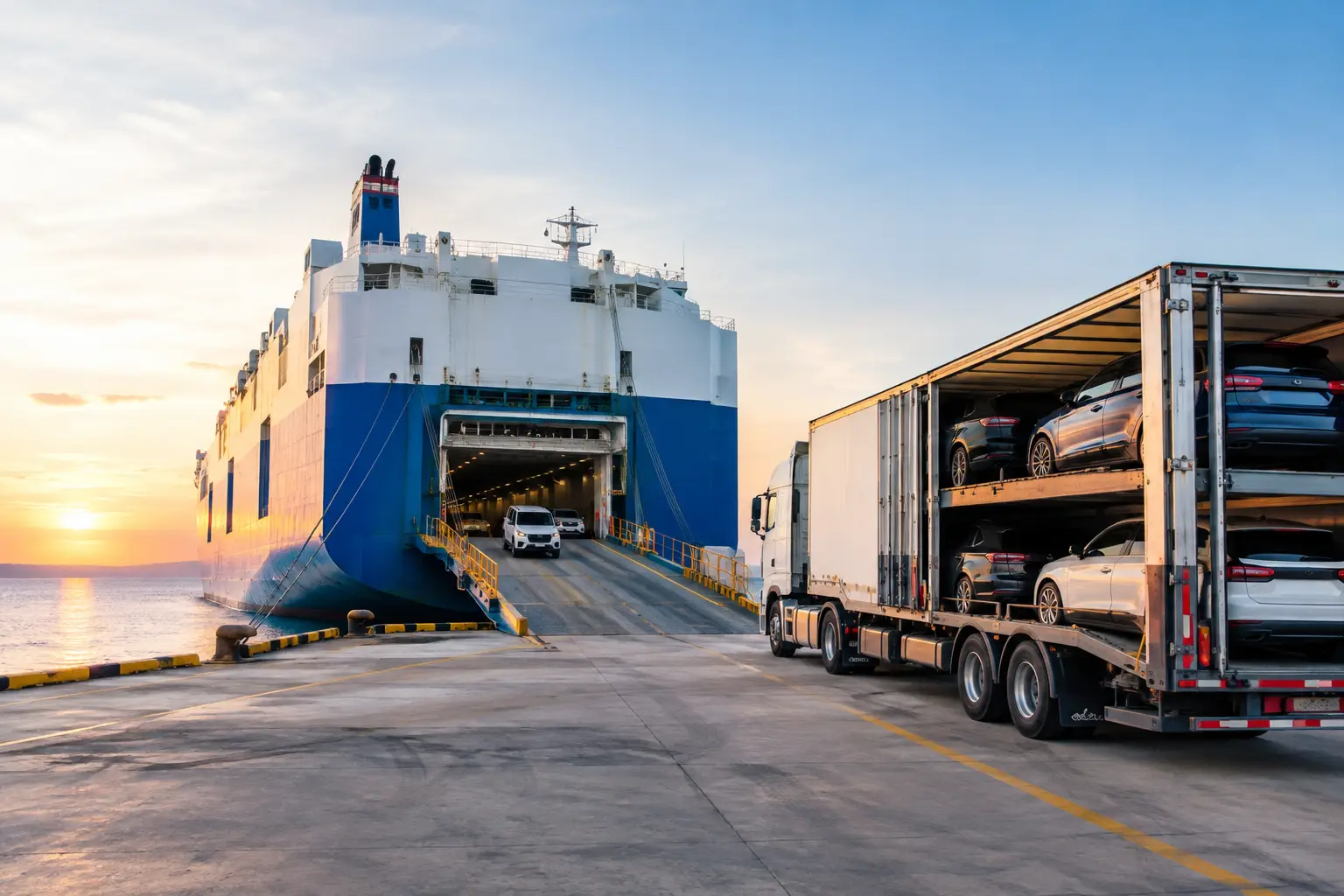
RoRo means roll-on/roll-off. The vehicle is driven onto a purpose-built vessel, secured in an enclosed vehicle deck, and driven off at the destination port. For a complete, operable vehicle headed to a common export market, it is usually the most economical shipping option.
RoRo is a sensible fit for a standard-height Skyline, Supra, Land Cruiser, kei truck, or other roadworthy vehicle that does not need to travel with parts or personal effects. Shipping lines generally require the car to roll, steer, brake, and have enough battery power to be moved around the terminal. Fuel levels are limited, and loose items must be removed.
The main advantage is cost. RoRo freight is typically lower than container freight, and there is no need to pay for container loading, unloading, or packing materials. It can also offer regular sailings from major Japanese ports.
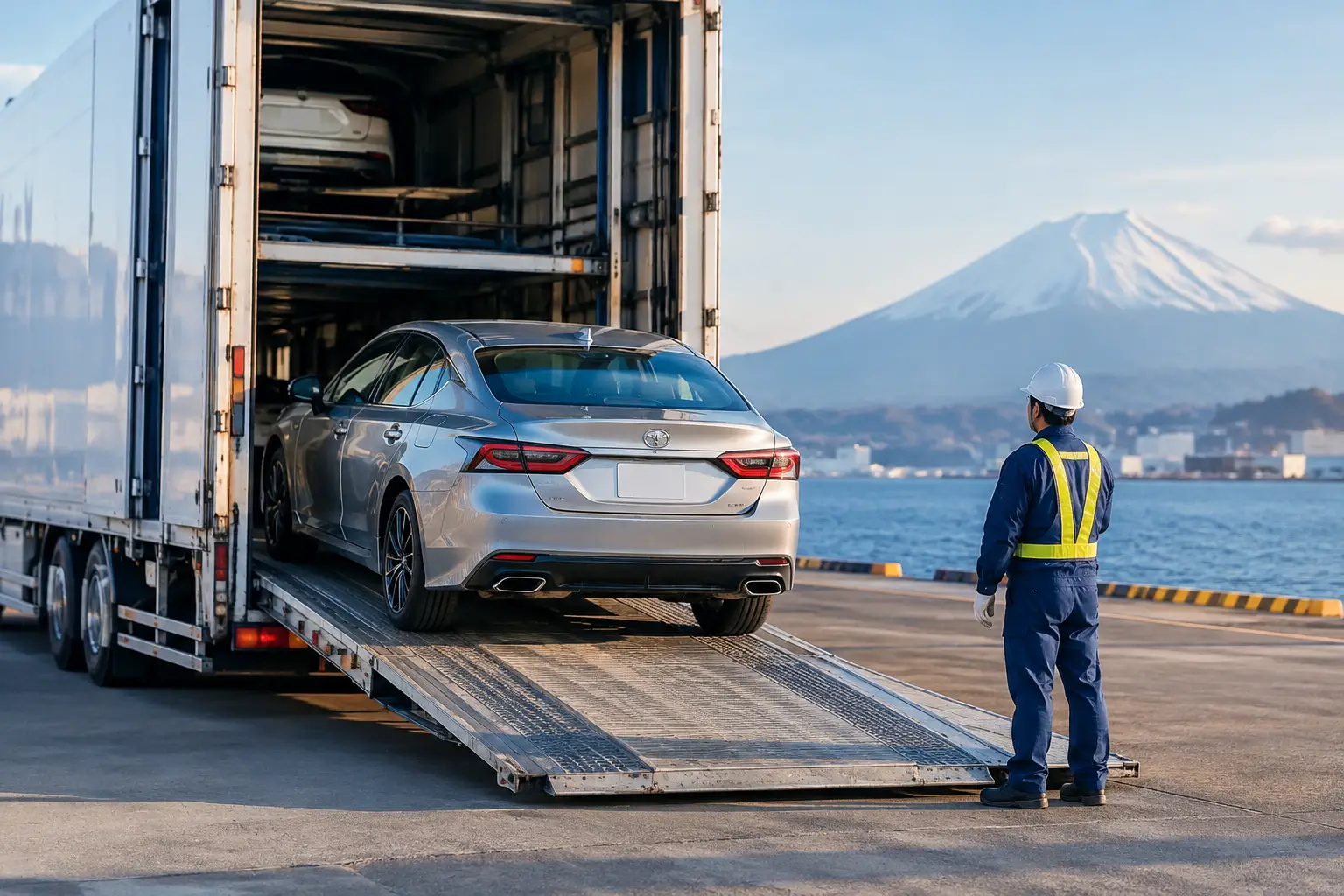
The trade-off is handling. Your vehicle will be moved by terminal staff at both ends, and it may spend time in port storage areas before loading or collection. Vehicles are secured inside the vessel, but they are not sealed away in a private box. For most properly prepared cars this is not a problem. For a freshly restored collector vehicle, a low-clearance race car, or a car with valuable loose spares, it may not be the preferred arrangement.
RoRo also does not solve destination charges. Buyers sometimes focus on the ocean-freight number and overlook terminal handling, customs broker fees, wharf storage, local taxes, and transport from port to home or dealership. Ask for a clear separation between freight from Japan and charges payable after arrival.
Container Shipping: More Protection and More Flexibility
Container shipping places the vehicle inside a 20-foot or 40-foot container, where it is secured with wheel straps, chocks, and appropriate tie-down points. A 20-foot container normally carries one vehicle. A 40-foot container can sometimes carry two vehicles, depending on their dimensions and the loading plan.
This method costs more, but it gives a higher degree of control over access and loading. It is often the better option for high-value classics, modified vehicles with very low ground clearance, non-running projects, and cars being shipped with permitted spare parts. A container can also make sense when two buyers combine compatible vehicles and share space, although that arrangement requires careful coordination and clearly assigned responsibility.
Container shipping is not automatically safer simply because the doors are closed. The quality of loading matters. Poor tie-down placement can damage suspension components, wheels, or bodywork. Loose parts can shift in transit. The container should be photographed during loading, with the vehicle condition, odometer reading, chassis number, and securing method documented.
There are also logistics considerations. Container routes may involve transshipment, schedules can be less frequent for certain destinations, and the receiving port must be able to process the container efficiently. Once it arrives, delays in customs release or pickup can create storage and demurrage charges quickly.
Do Not Ship Before the Vehicle Is Properly Prepared
Japanese auction vehicles can look excellent in photos while carrying issues that matter during export and arrival. Underbody corrosion, fluid leaks, weak batteries, damaged tires, aftermarket wiring, missing keys, and non-operational air suspension can all complicate shipping or delivery.
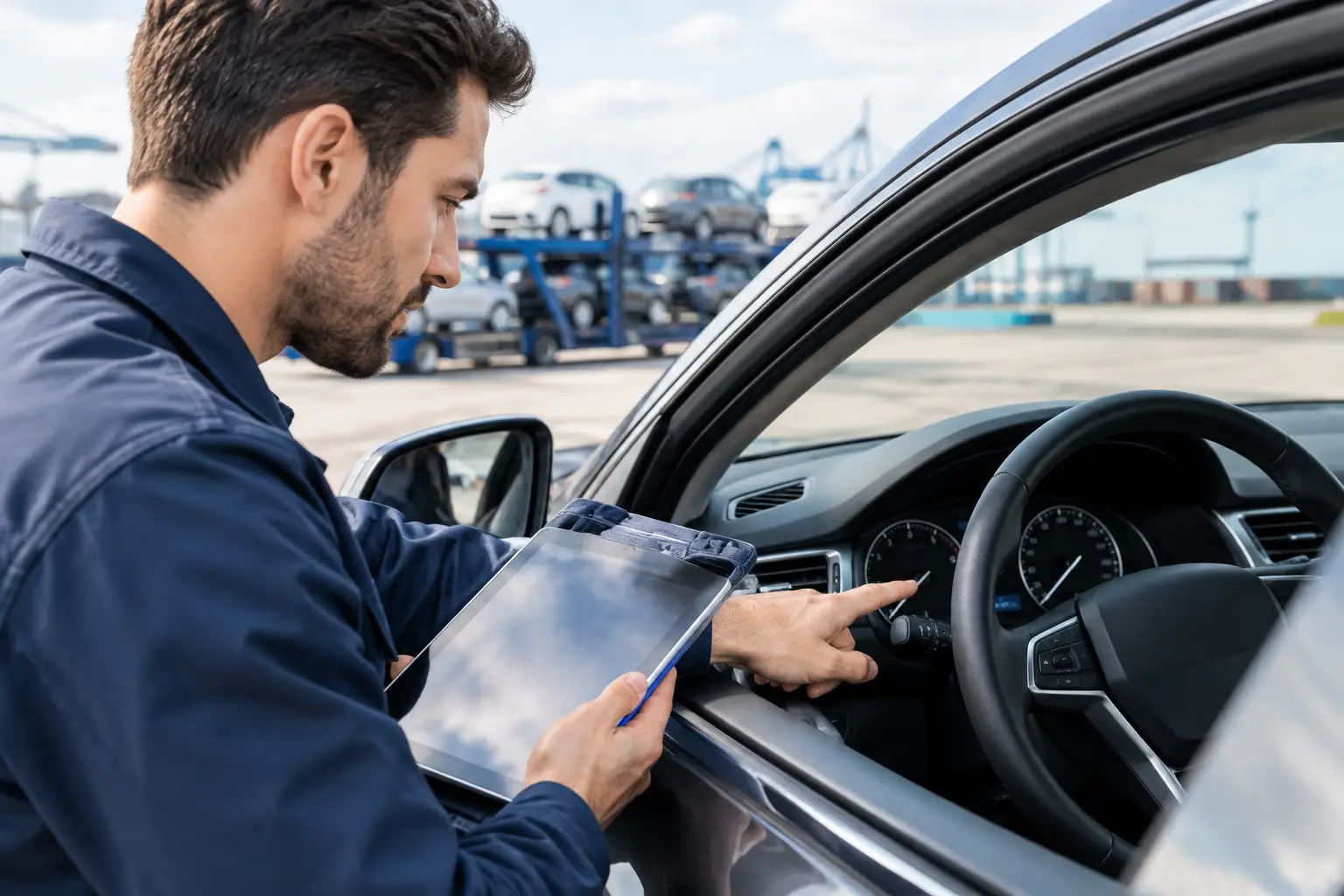
A hands-on inspection before purchase is the strongest safeguard. Auction grades are useful, but they are not a substitute for a physical review. Confirm the auction sheet translation, check the chassis number against the vehicle, inspect for accident repairs and corrosion, and obtain clear photos of the underbody, engine bay, interior, wheels, and known defects. Odometer verification should be addressed before the vehicle is exported, not after questions arise at the destination.
Preparation also means cleaning. Many countries are strict about soil, plant matter, insects, and organic debris on the undercarriage, wheel wells, and interior. A vehicle that arrives dirty may require cleaning, fumigation, or inspection at the port, all of which can add time and cost. Remove personal belongings, loose accessories, and prohibited items. Shipping a few small parts may be allowed under certain container arrangements, but the rules are destination-specific and should be confirmed in advance.
Documents Matter as Much as the Ship Booking
A smooth shipment depends on accurate paperwork moving with the vehicle. The core export package commonly includes the Japanese export certificate or deregistration paperwork, commercial invoice, bill of lading, and export declaration. Depending on the destination, you may also need a translated export certificate, inspection certificate, odometer statement, purchase record, and documents needed by customs or a compliance agent.
Names, VIN or chassis numbers, engine numbers where relevant, dates, and declared values must match across the file. A small mismatch can hold a car at the port while someone requests corrections from Japan. That delay can become expensive if free storage time expires.
For U.S. buyers, documentation must support the customs entry and the applicable federal import exemption or compliance route. For markets that use pre-export inspection systems, arrange the required inspection at the proper point in the process. Do not assume an inspection can be completed after the vehicle is already on the water.
Build a Landed-Cost Plan, Not a Freight Quote
The honest way to budget is to calculate the landed cost from purchase through delivery. That includes the vehicle price, auction or sourcing fees, inland transport in Japan, export documentation, required inspections, ocean freight, marine insurance, destination duty and taxes, port charges, customs brokerage, compliance work if applicable, and domestic transport.
Marine insurance deserves a direct conversation. Carriers have liability limits and claims can be procedural. Understand what is covered, what condition evidence is required, the deductible, and how quickly damage must be reported at collection. Take detailed photos before the vehicle leaves Japan and again before it leaves the destination terminal. If there is damage, note it before signing the release paperwork.
Timing should be treated with the same realism. A sailing date is not a driveway delivery date. Vehicles may wait for a vessel, transit can be affected by weather or port congestion, and customs processing varies. Avoid booking a shop appointment, resale delivery, or event debut on the assumption that a quoted transit window is guaranteed.
Work With Someone Who Is Present Before the Car Leaves Japan
The best shipping decision is made alongside the purchase decision, not after a car has already been bought. An exporter that physically attends auctions, understands mechanical condition, and coordinates the paperwork can identify risks while there is still time to choose another vehicle, change the shipping method, or prepare the car correctly.
Direct Imported Japan approaches shipping as part of the full acquisition process: inspect the car, document its condition honestly, verify the paperwork, arrange the right export steps, and coordinate freight around the destination requirements. That approach gives collectors and dealers a clearer chain of accountability than a freight booking made in isolation.
A vehicle from Japan should arrive as an exciting purchase, not a lesson in avoidable port charges. Choose the shipping method that fits the car and destination, document everything before departure, and give the import process the same attention you gave the vehicle itself.